
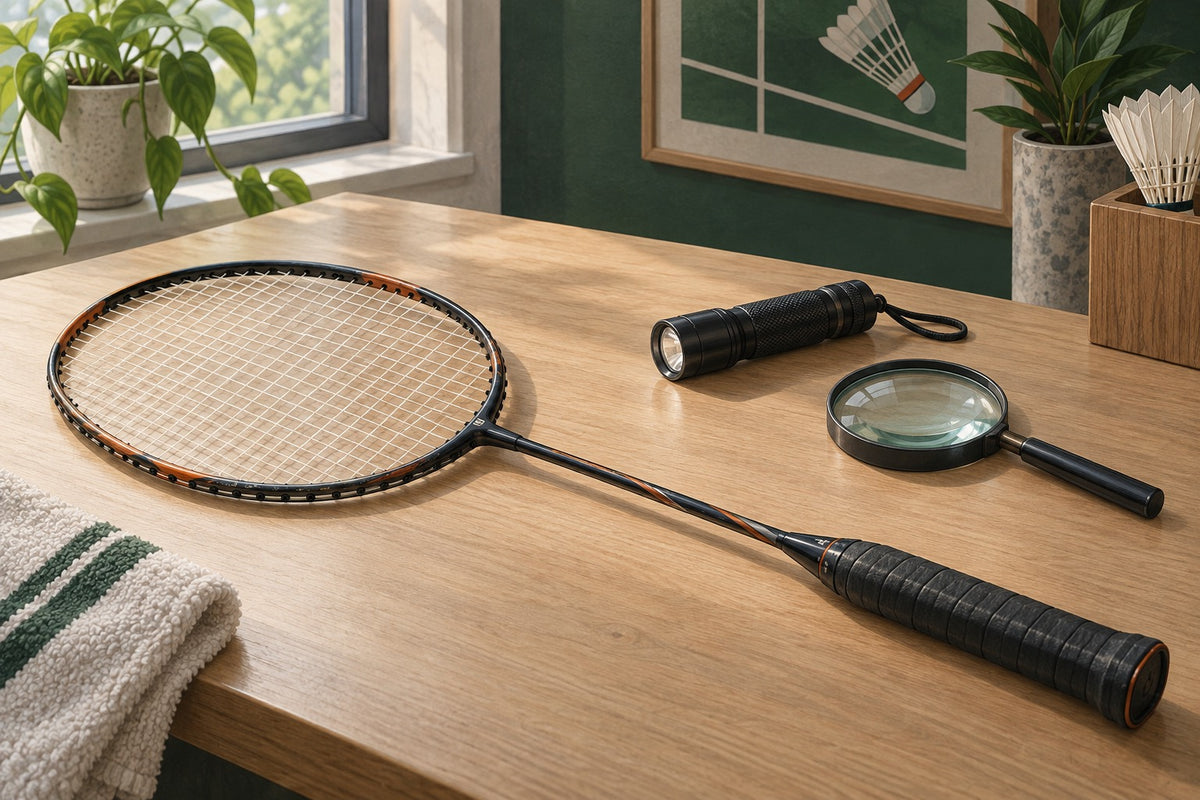
7 Checks Before You Buy a Used Badminton Racket
Use seven non-destructive checks to separate structural warning signs, technician questions and service required before using a used badminton racket.
Solo Serve Practice: A 20-Minute Badminton Routine
Build a more repeatable serve with Badminton House's 20-minute, 50-serve solo routine, measurable targets and a four-week practice log.
Junior Badminton Endurance Training: What Puberty Changes
Puberty is not a magic endurance window. Progress junior badminton conditioning from current capacity, recovery, technical quality and total life load.
Badminton Smash Speed: How the Numbers Are Measured
Learn what published badminton smash-speed figures measure, why record numbers are not automatically comparable and how rapid shuttle deceleration changes their meaning.
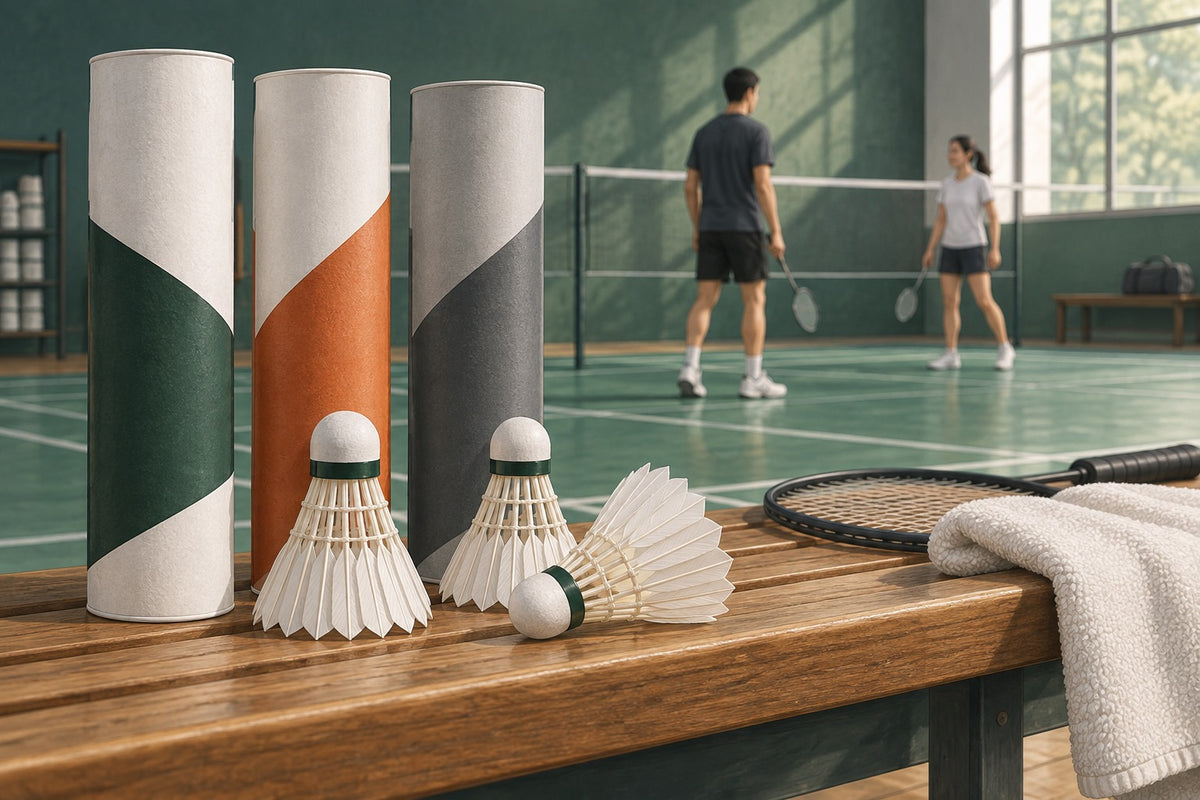
Badminton Shuttlecock Grades: What Grade A and B Mean
Learn why Grade A and Grade B are not universal shuttlecock standards, how model, speed and BWF approval differ, and how to screen a tube for club play.
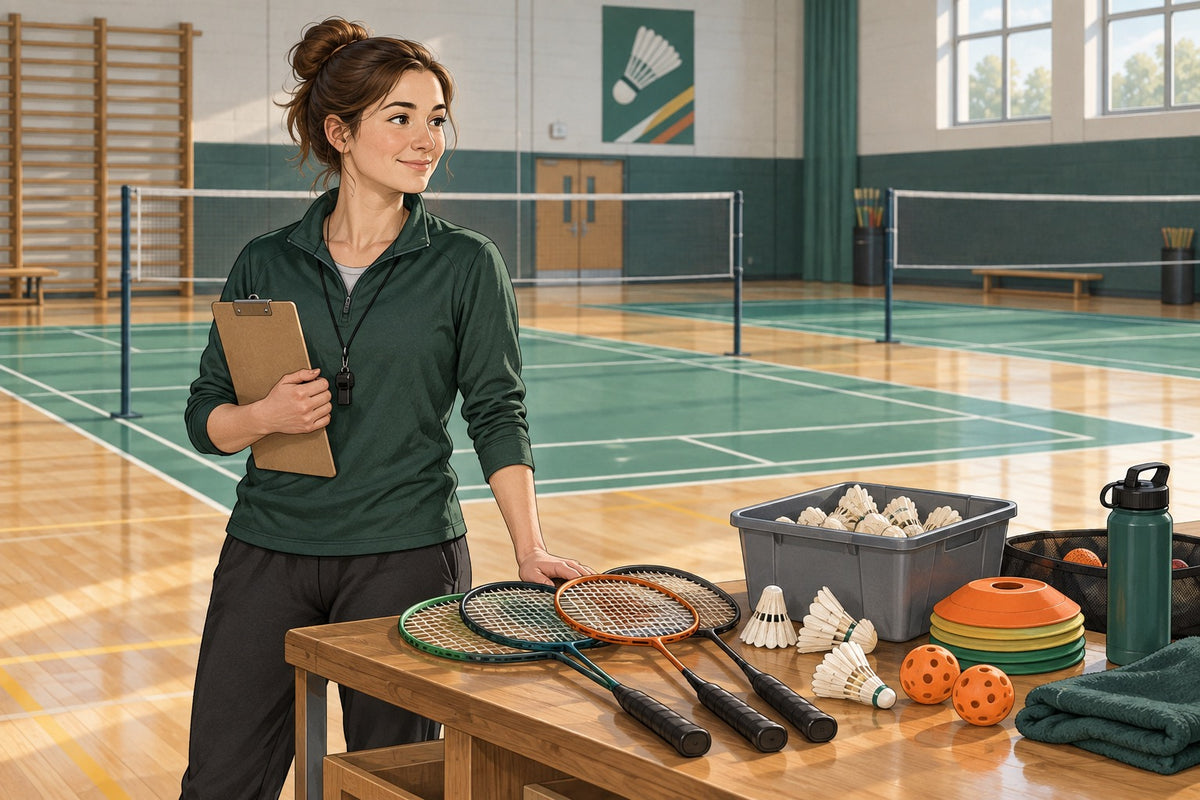
Badminton PE Unit Plan: 8 Lessons for School Classes
Run an eight-lesson beginner badminton PE unit with BWF-informed progressions, adaptable stations, safety checks, inclusion and assessment.
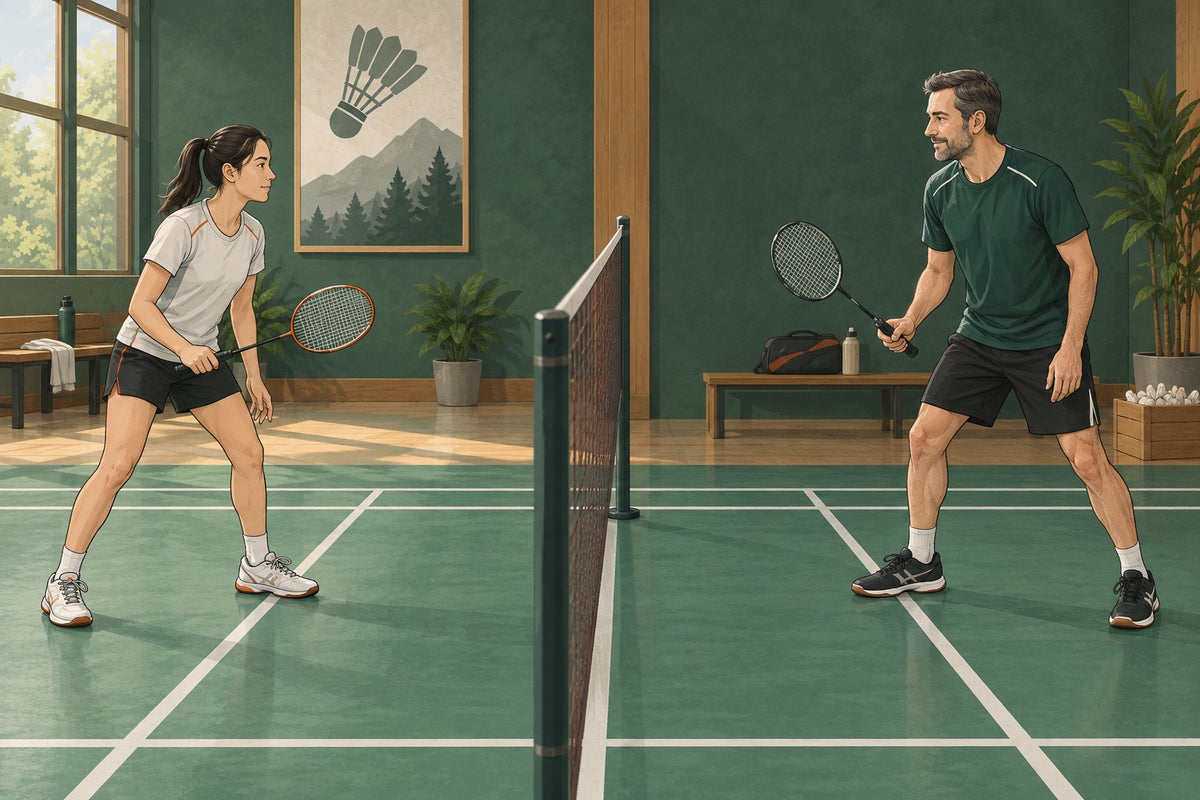
Badminton Handicap Rules: Fair Games for Mixed-Level Groups
Use transparent point starts and tactical constraints to create safe, competitive badminton games for players of different levels.
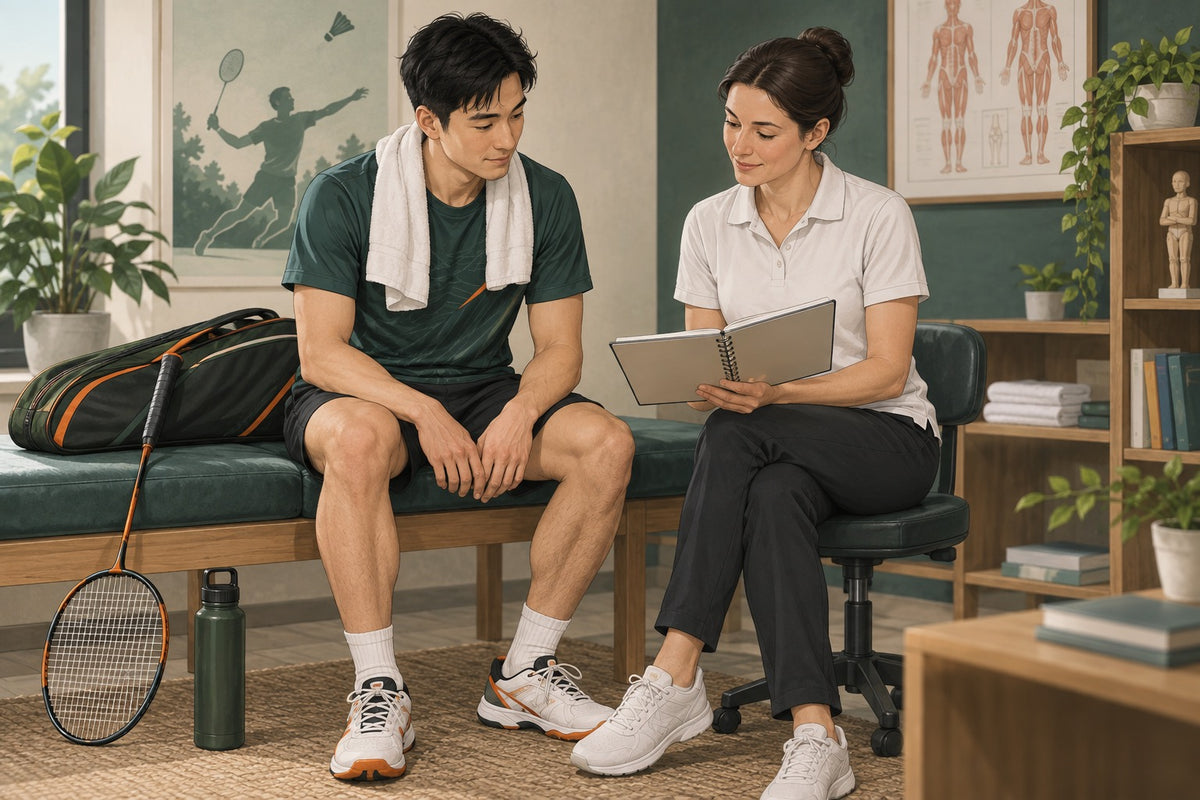
Return to Badminton After Injury: 5 Readiness Checks
Discuss five readiness domains with your treating clinician before returning to badminton after a lower-limb injury.
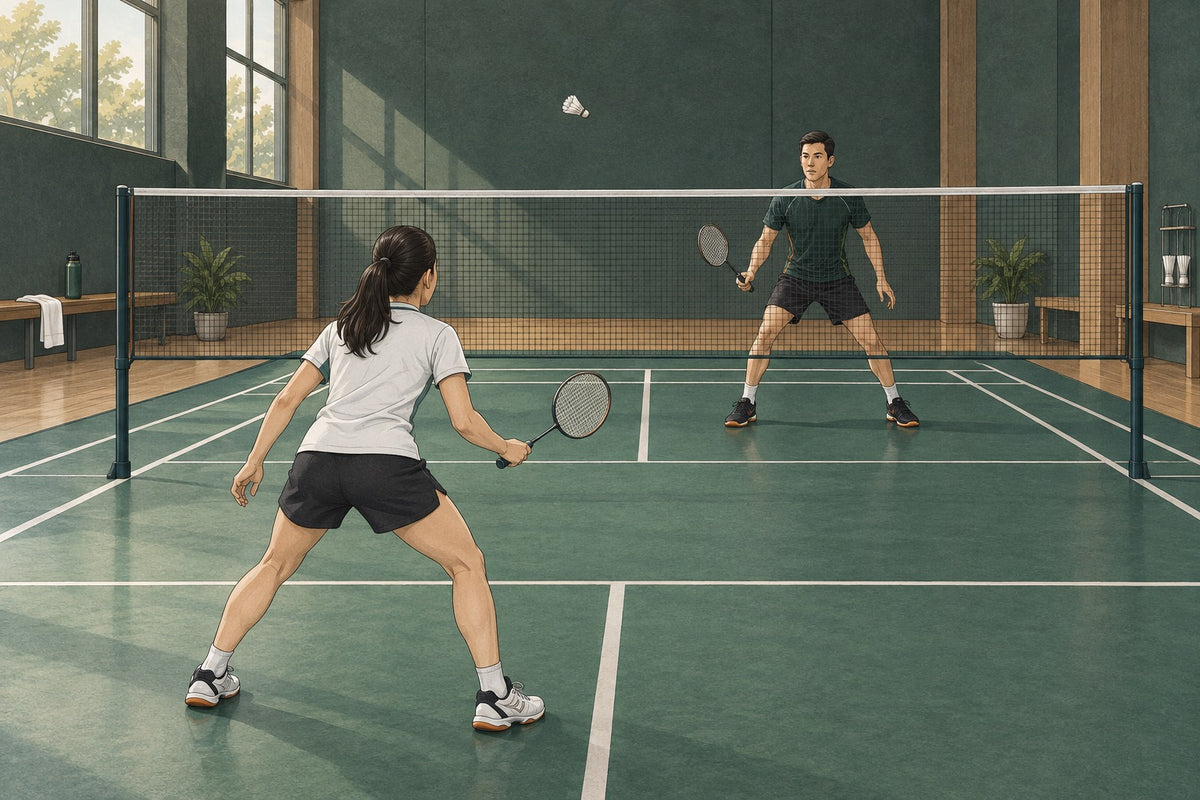
Playing Against a Taller Opponent in Badminton: Tactics
Use observation-led singles tactics to test reach, change direction deliberately and defend actual attacking patterns without height stereotypes.
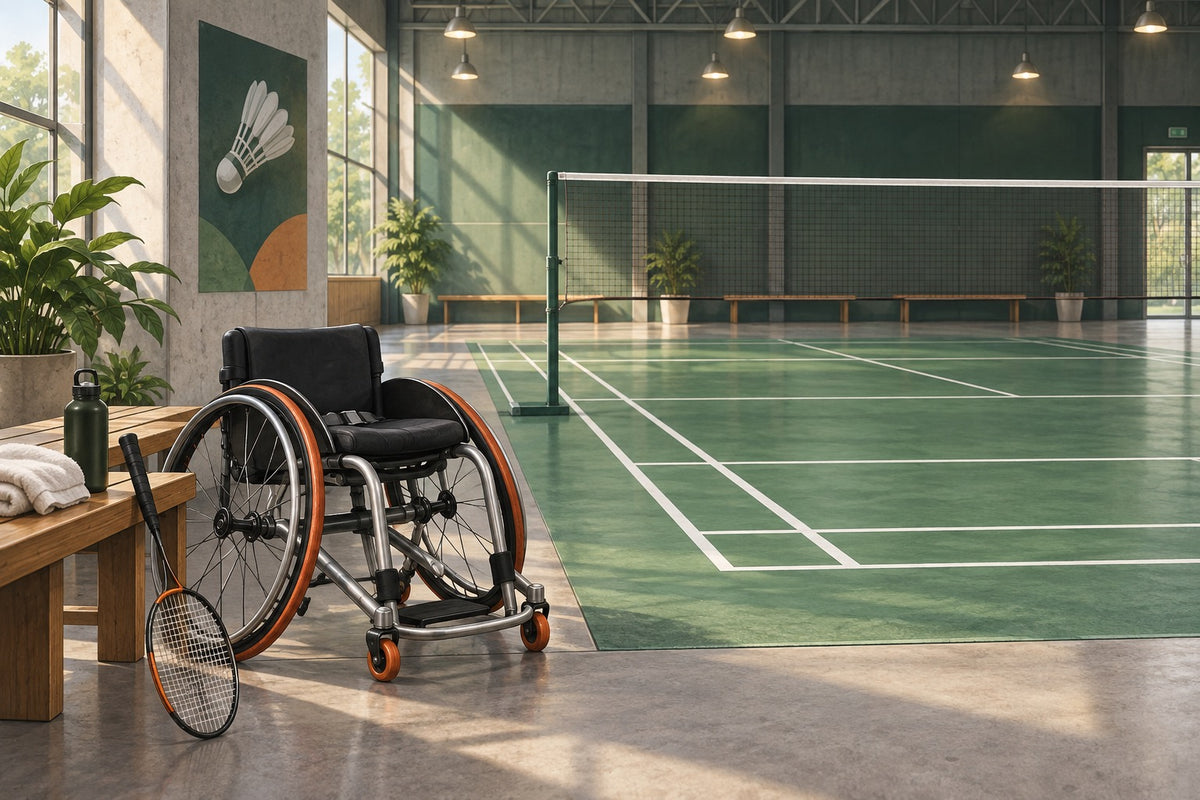
Para Badminton Court Size by Class: Half Court or Full
WH1 and WH2 use wheelchair court layouts, SL3 singles uses a standing half court, and SL4, SU5 and SH6 use standard boundaries.
How to Become a Badminton Coach in Canada: The Steps
Choose the right Canadian NCCP badminton pathway, complete its training and evaluation, then check separate competition or provincial licence requirements.
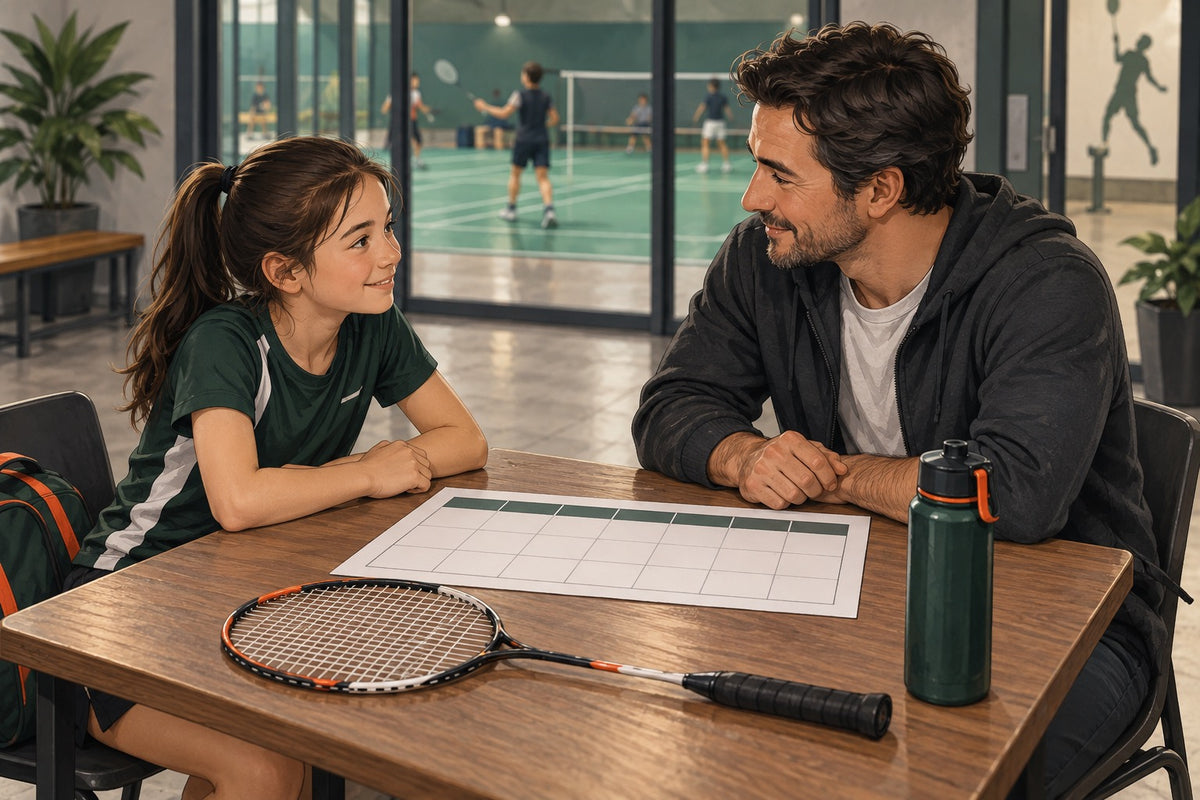
How Often Should Juniors Train Badminton? Sessions by Age
Early Active Start and FUNdamentals players may use one or two weekly badminton sessions; later schedules depend on development, total sport load and recovery.