
Last checked: August 2026 · Written by the player-led team at Badminton House
Quick answer
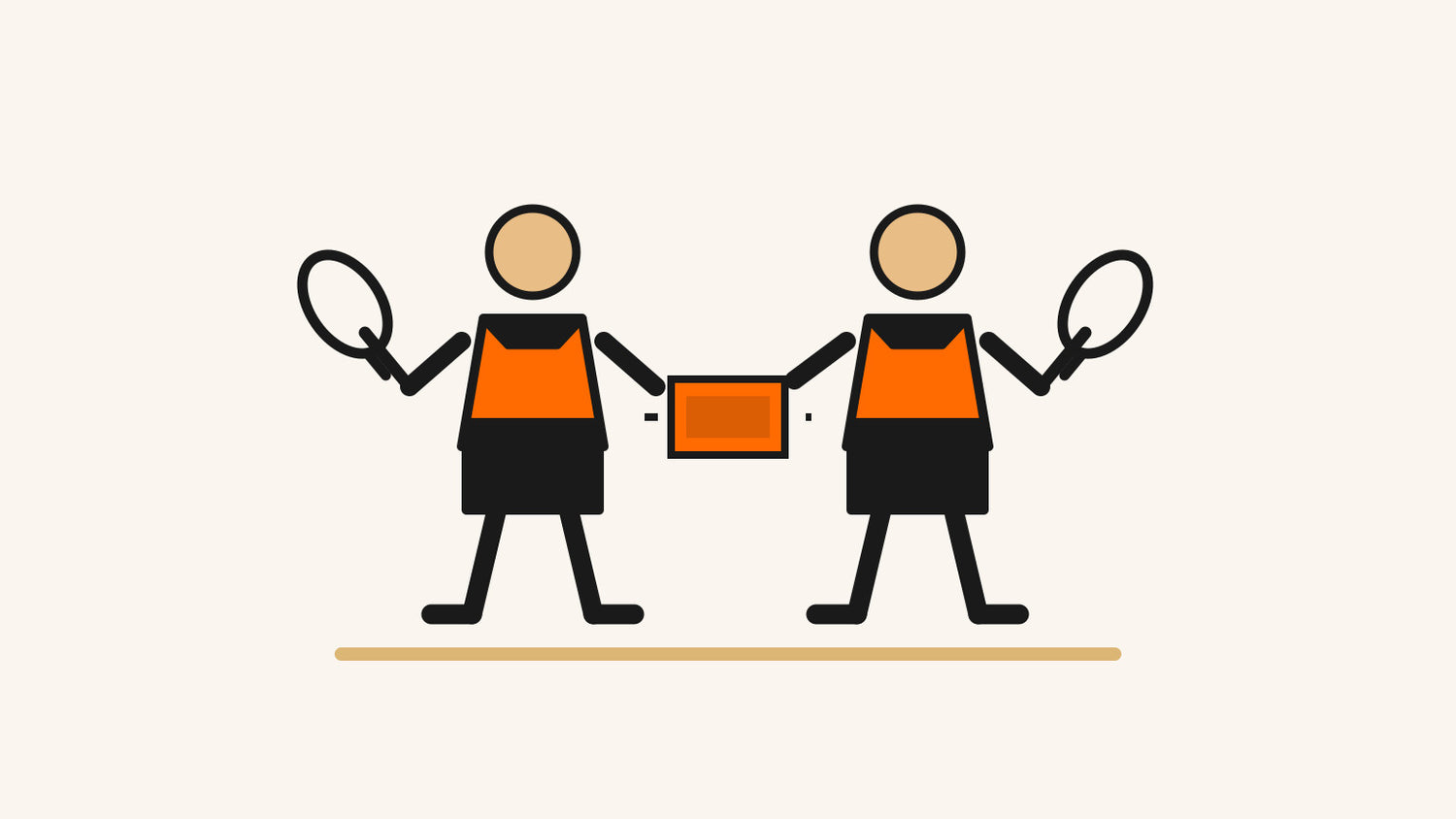
At BWF-sanctioned tournaments, clothing may use any colour combination; singles players cannot change colour during a match, while doubles partners must wear shirts and shorts, or equivalent articles of clothing, in the same colour and similar design. Check the specific event prospectus for requirements beyond those BWF rules.
Start with Which BWF events these rules cover
Pack from the event’s own scope and prospectus. For BWF-sanctioned tournaments, the cited regulations allow colour combinations, restrict a singles player’s colour change during a match, and require doubles partners’ shirts and shorts, or equivalent clothing, to match in colour and similar design.
- Confirm whether the event is BWF-sanctioned before applying these regulations to a local tournament.
- Pack acceptable badminton sports clothing and a doubles option with shirts and shorts, or equivalent clothing, in the same colour and similar design if you are in scope.
- Check the prospectus or referee direction for team-kit, opposing-colour clash, advertising, television-court, or other event-specific conditions.
- Use the event’s published requirements rather than a generic online checklist.
Related reading: What to Wear for Badminton: Apparel Guide — for the general apparel question before event-specific instructions apply.
Which BWF events these rules cover
The BWF General Competition Regulations set clothing requirements for tournaments organised or sanctioned by the BWF; they do not determine a club-night dress code. Read the named event’s prospectus and official direction before applying a tournament requirement. BWF competition regulations

The event scope comes first. BWF General Competition Regulations govern BWF-sanctioned tournaments, not every club night, school event, or local open. That is why a reader should use the prospectus and referee direction for a named event rather than applying the regulations by habit.
Colour changes and matching doubles kit
At BWF-sanctioned tournaments, player and coach clothing must be acceptable badminton sports clothing; at BWF team championships, each player wears the same colour and design of shirts and shorts or equivalent clothing throughout a tie. BWF competition regulations The BWF vocabulary publishes the corresponding official event terms.

Within that scope, each clothing article may use any colour or combination, but a singles player may not change colours during a match and doubles partners must wear shirts and shorts, or equivalent articles of clothing, in the same colour and similar design throughout the match.
What to confirm with your event before packing
At a BWF-sanctioned tournament, clothing articles may use any colour combination, but singles players cannot change colour during a match and doubles partners must match in colour and similar design. Confirm whether the event adds a colour-clash or television-court direction before packing. BWF competition regulations

Packing is easier when it separates source-backed rules from event-specific conditions. Bring compliant sports clothing, a matched doubles option when relevant, and check the organiser for team-kit, colour-clash, advertising, or television-court requirements that go beyond the cited general rules.
Use this distinction on court
Treat the event pack as a set of questions rather than a single dress code. Start with the event’s own title, prospectus, and communication channel. That tells you whether the BWF-sanctioned scope is relevant before you compare shirts. Once the scope is clear, identify whether you are playing singles, doubles, or a team tie; each situation has a different practical check. This keeps a player from solving a doubles question with a singles memory, or treating a team requirement as a club-night norm. For a doubles entry, put the two partners’ options side by side before leaving home. Compare colour and overall design at a glance, then retain a matched alternative in case the event directs a change. The purpose is not to make a style judgment; it is to reduce a preventable decision at court side. A pair can agree in advance which shirt is the primary option, who brings a second option, and how they will confirm a last-minute organiser message. Keep official direction separate from personal preference. A player may prefer a particular top for comfort, but an event may issue instructions about a colour clash or a television court. If that happens, follow the live direction and keep the discussion short. Do not use a remembered colour rule to argue that the direction cannot apply; the named event and its officials are the relevant reference. A concise pre-event note is enough: event name, format, partner, agreed kit, and any organiser instruction still to confirm. Review it when the draw or schedule arrives. That small routine turns clothing from a late distraction into a prepared part of the match day, while leaving local and event-specific decisions with the people responsible for them.
Source-bound context
Before packing for a named event, sort the clothing question into the match setting that actually applies: a single clothing article, a singles player, a doubles pair, or a team tie. Then check the current prospectus and any official direction for colour clashes, similar-design expectations, television-court or advertising rules, and other event conditions. This short checklist prevents a broad colour permission from being used as an answer to a narrower doubles or team requirement. It also keeps an organiser’s current instruction at the centre of a tournament-specific decision rather than treating a general rule summary as the whole dress code. If a player cannot match the published condition, the question belongs with the event official before the match rather than at a late court-side disagreement.
Questions the cited sources do not settle
- Requirements for a named event beyond its own prospectus and referee direction.
- A local dress-code conclusion without the event's published instructions.
What to do next
For a named tournament, read the current prospectus and referee instructions for clothing, colour clashes, team kit, advertising, television-court, and other event-specific requirements before packing.

Leave a comment
This site is protected by hCaptcha and the hCaptcha Privacy Policy and Terms of Service apply.