
Last checked: August 2026 · Written by the player-led team at Badminton House
Quick answer
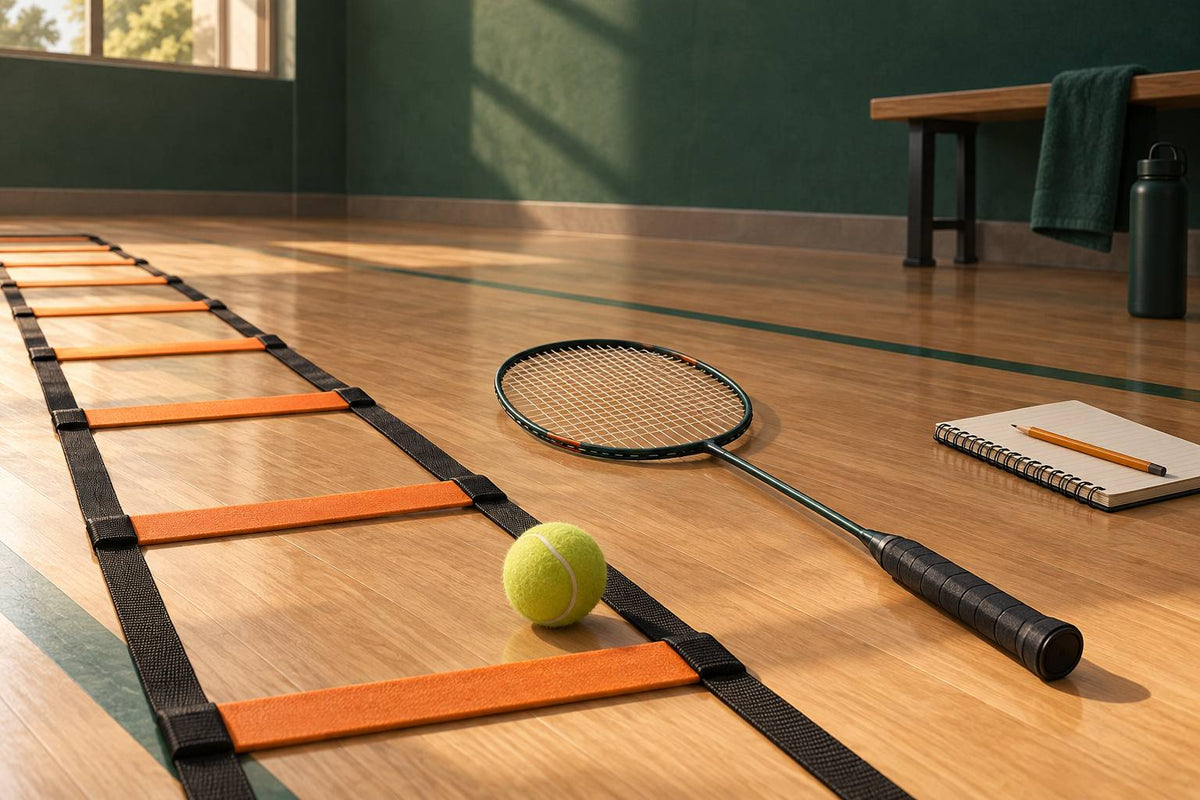
The only tested dual task here was six weeks of ladder work plus unpredictable tennis-ball catching while adolescent players held badminton rackets. Voice, colour, number, and shuttle-response drills were not tested in that trial, and the study does not establish match transfer or broader cognitive gains.
Start with The tested dual task was ladder work plus ball catching
Keep the published task and any local activity separate. The cited trial used six weeks of ladder work plus unpredictable tennis-ball catching while adolescent players held badminton rackets and reported a limited result.
- Describe the ladder-plus-unpredictable-tennis-ball activity with its badminton racket as the tested intervention, not as a shuttle drill.
- Keep the reported outcome tied to the concurrent group’s within-group reaction-time improvement and the lack of a clear physical advantage over sequential training.
- If a coach uses a voice, colour, number, or shuttle-response variation, label it a local dual-task idea rather than an extension proven by the trial.
- Do not claim broader cognitive gains or match transfer without separate evidence.
Related reading: Reading the Serve Early: Anticipation Training — for badminton-specific opponent-cue practice.
The tested dual task was ladder work plus ball catching
A small randomized trial in 36 adolescent badminton players tested six weeks of ladder work paired concurrently with unpredictable tennis-ball catching while participants held badminton rackets, not verbal-call or shuttle-response drills. The trial methods describe the concurrent ladder, racket, and tennis-ball-catch intervention. dual-task trial

The reaction-time finding does not establish match transfer
Only the concurrent dual-task group showed a statistically significant within-group reaction-time improvement, while most physical outcomes did not differ significantly from sequential training. The trial abstract and results report the within-group and comparison findings. A broader decision needs evidence that directly addresses it. dual-task trial

Treat voice-call drills as untested local variations
The cited six-week study tested ladder work with unpredictable tennis-ball catching while adolescent players held badminton rackets; it did not test voice, colour, number, or shuttle-response drills. Those can be local coaching variations, but they cannot inherit the study’s result. dual-task trial
BWF Level 3 separately discusses anticipation practice based on opponents’ movement clues with elite players. That manual does not test the voice, colour, number, or shuttle-response variations described here. BWF Level 3 Coaches’ Manual

Try one local activity, clearly labelled
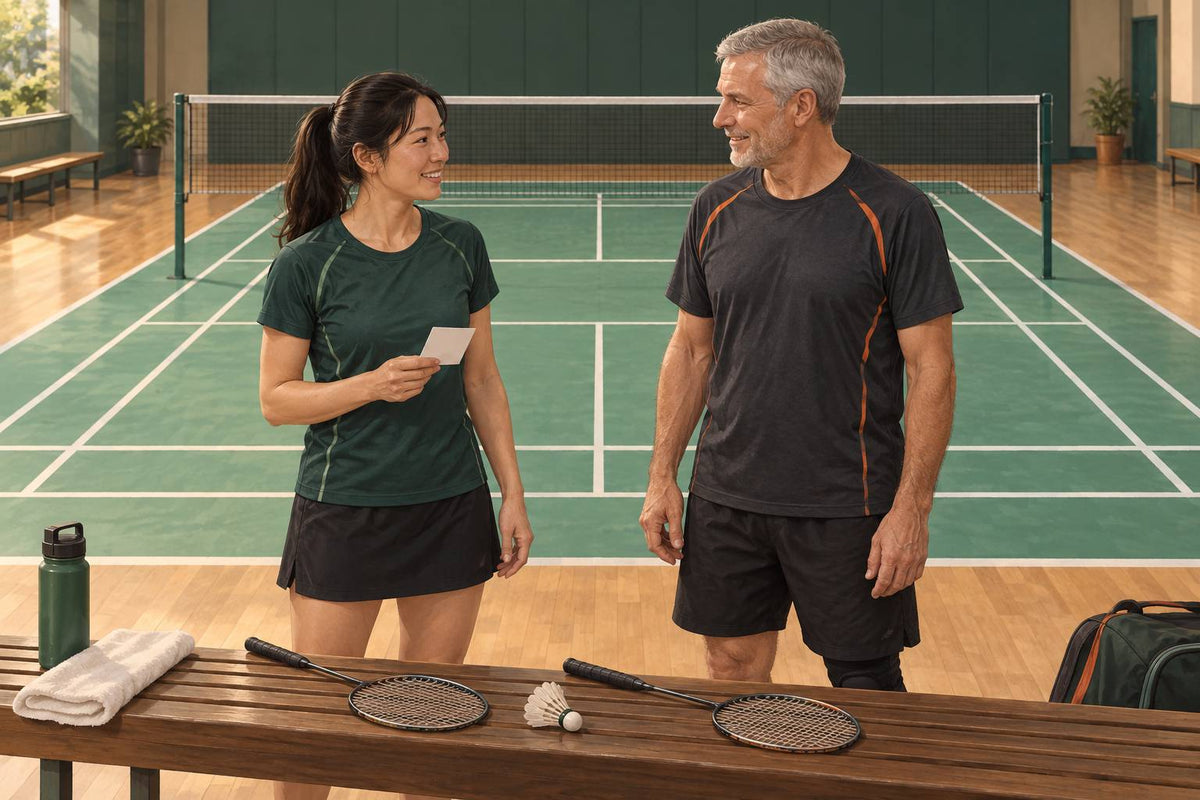
For example, a coach can give one colour cue while a player takes one prepared step toward a marked court zone. Record the cue, movement, and visible response; if the activity becomes disorganised, reduce it to one cue and one movement.
That activity is a local coaching variation, not the trial’s ladder-and-ball intervention. It can be observed and revised, but it does not inherit the trial’s reaction-time result or establish a broader cognitive or match benefit.
Questions the cited sources do not settle
- That voice, colour, or number calls reproduce the tested intervention.
- A claim that drills make players smarter, improve executive function, or guarantee match decisions.


Leave a comment
This site is protected by hCaptcha and the hCaptcha Privacy Policy and Terms of Service apply.