
Last updated: July 2026 · Written by the team at Badminton House
Quick Answer: Badminton Receiver Not Ready Serve
The early serve is a let only when the receiver was not ready and made no attempt to return it.
Not ready
Let: the umpire, or a player when there is no umpire, stops play; keep the score and the same server.
Attempted return
Play continues because trying to return the service counts as being ready.
Ask umpire
Use the official’s decision when players disagree about readiness or an attempted return.
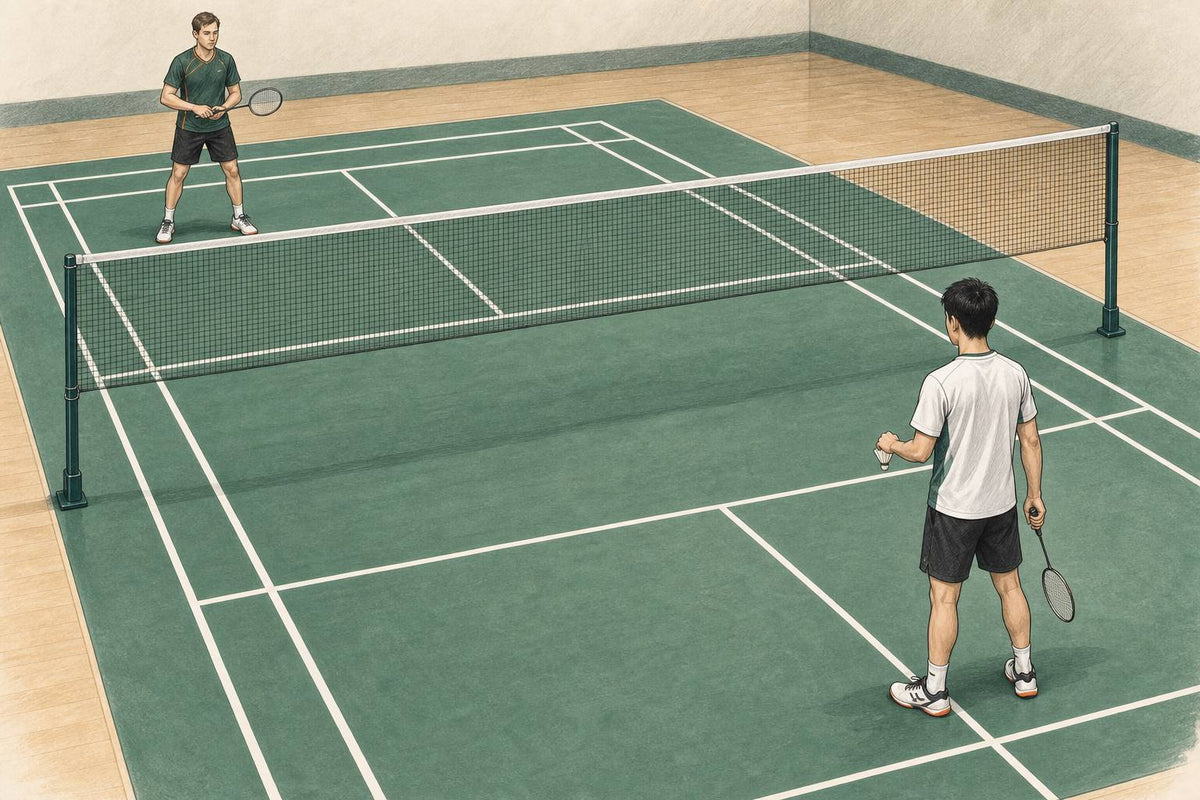
If you’ve just been quick-served while fixing your grip, checking the score, or getting your feet set, don’t guess or argue from memory. The badminton receiver not ready serve situation has a clean rule: the server must wait until the receiver is ready, but the receiver loses that protection if they try to return the serve.
In This Guide
Badminton receiver not ready serve: what the Law says
The official BWF Laws of Badminton put the starting point simply: under Law 9.4, “the server shall not serve before the receiver is ready.” The USA Badminton national-association copy reproduces the same rule, so this is not a local convention or club preference.
If the server delivers the serve while the receiver is genuinely not ready, the correct remedy is a let, not a fault against the server and not an automatic point to either side. A let stops play and wipes out only what happened since the last service: the score stays the same, no point is awarded, and the same player who served last serves again.
The key limit is built into Law 9.4 itself: the receiver is considered ready if a return of serve is attempted. That attempted-return test is what separates a valid “not ready” let from a late reaction after the serve has already been played.
The attempted-return exception
The key exception is simple: if the receiver attempts a return of the service, the receiver is treated as having been ready. That attempt changes the call. Even if the server moved quickly, a receiver who tries to hit, block, jab, or guide the shuttle cannot then claim, after missing or misjudging it, that they were not ready.
This matters because the let is meant to correct an unfair start to the rally, not rescue an unforced error. If you were genuinely not ready, call it immediately and do not play the serve. If you choose to play the shuttle, you have accepted the serve for rules purposes, and the rally continues according to the result of that shot.
Practical test: no swing and immediate call can support a let; an attempted return usually ends the not-ready argument.

In doubles, readiness belongs to the intended receiver
In doubles, “the receiver” is not either partner interchangeably. For the serve, the readiness reference is the player standing diagonally opposite the server: the intended receiver for that service court. The receiver’s partner may stand anywhere within their side’s court as long as they do not unsight the opposing server or receiver, but that freedom of positioning does not make them the legal receiver.
That matters when a serve is rushed and the non-receiving partner reacts. A partner stepping, flinching, or even trying to play the shuttle does not automatically prove that the intended receiver was ready. In fact, if the receiver’s partner hits the service shuttle, that is a service fault rather than a valid return of serve. So in a “not ready” dispute, look at the diagonally opposite receiver: were they set, and did they attempt the return? For the related positioning rule, see where your doubles partner can stand during serve.
How to handle it without turning every serve into an argument
The cleanest fix is timing. If the receiver was genuinely not ready, call “let” immediately. Do not wait to see whether the serve becomes awkward, play the rally, then ask for a replay after losing the point. With an umpire, the umpire may call the let; without one, a player may call it to stop play.
- Server: call the score clearly with the server's score first, pause briefly for correction, then serve without rushing or holding the motion to unsettle the receiver.
- Receiver: if you are not ready, raise an open hand as an informal courtesy, lower it when set, and avoid using unreadiness to delay.
- Partners: stay calm and help clarify what happened, but do not turn every marginal serve into a debate.
For a simple decision helper, use the exact labels Not ready / Attempted return / Ask umpire. For broader self-officiated habits, see Badminton Court Etiquette: Unwritten Rules to Know.
Which call should you choose?
Use this decision table when a serve arrives while the receiver is still setting their feet, grip, or attention. The key is not whether the serve felt awkward; it is whether the receiver actually tried to return it.
| Choice | Choose it when... | Result |
|---|---|---|
| Not ready | The server serves before the intended receiver is ready, and the receiver does not attempt a return. | Call let immediately. The service does not count; the same server serves again and the score stays unchanged. |
| Attempted return | The receiver tries to hit the serve, even if the contact is poor or the shuttle is missed. | Play continues. The receiver is considered ready, so the early-serve let is not available. |
| Ask umpire | There is an umpire and players disagree about readiness or whether a return was attempted. | The umpire decides whether to call let. Without an umpire, a player may call let, but should do it right away. |
Good serve-receive etiquette is simple: pause, show readiness clearly, and call a let immediately when the timing is genuinely unfair. If a rules detail is still unclear, ask the umpire before the next service rather than trying to settle it after the rally.
Practise Clean Serve-Receive Rhythm
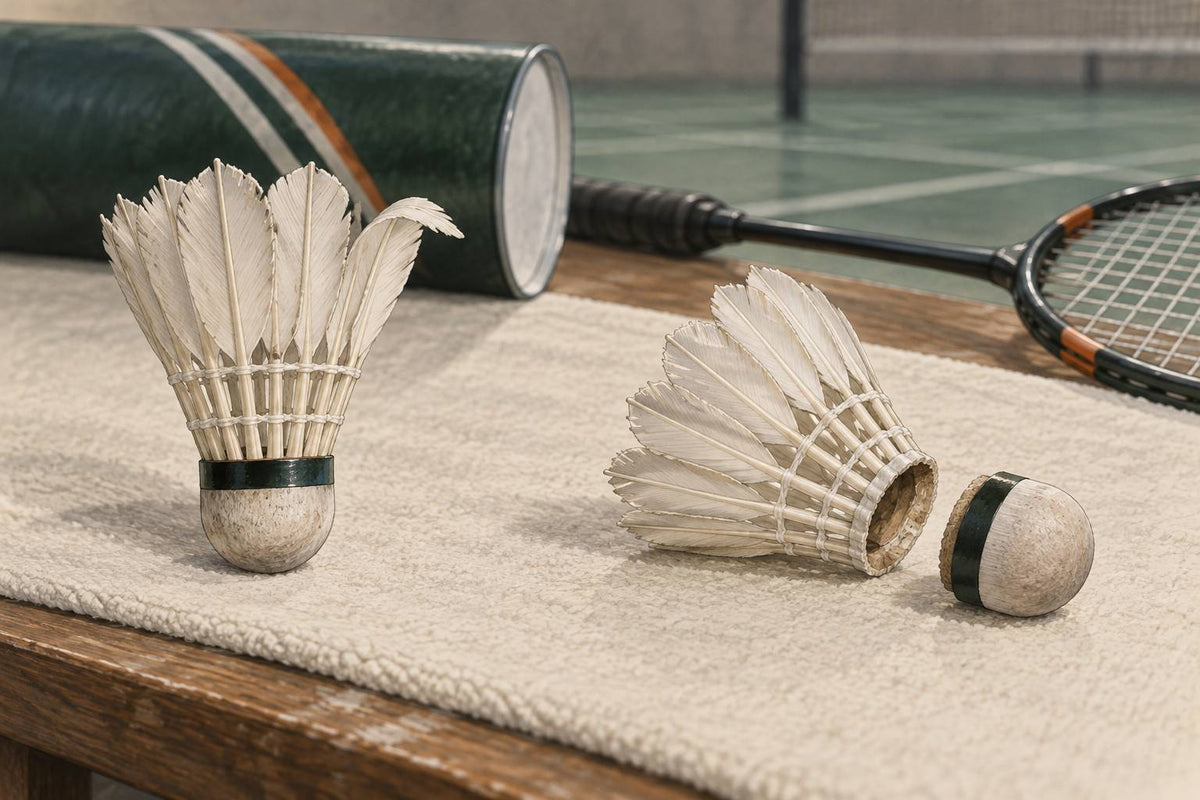
Use the same shuttle type throughout a serve-and-receive drill so timing, not equipment changes, remains the focus.
Shuttlecock Types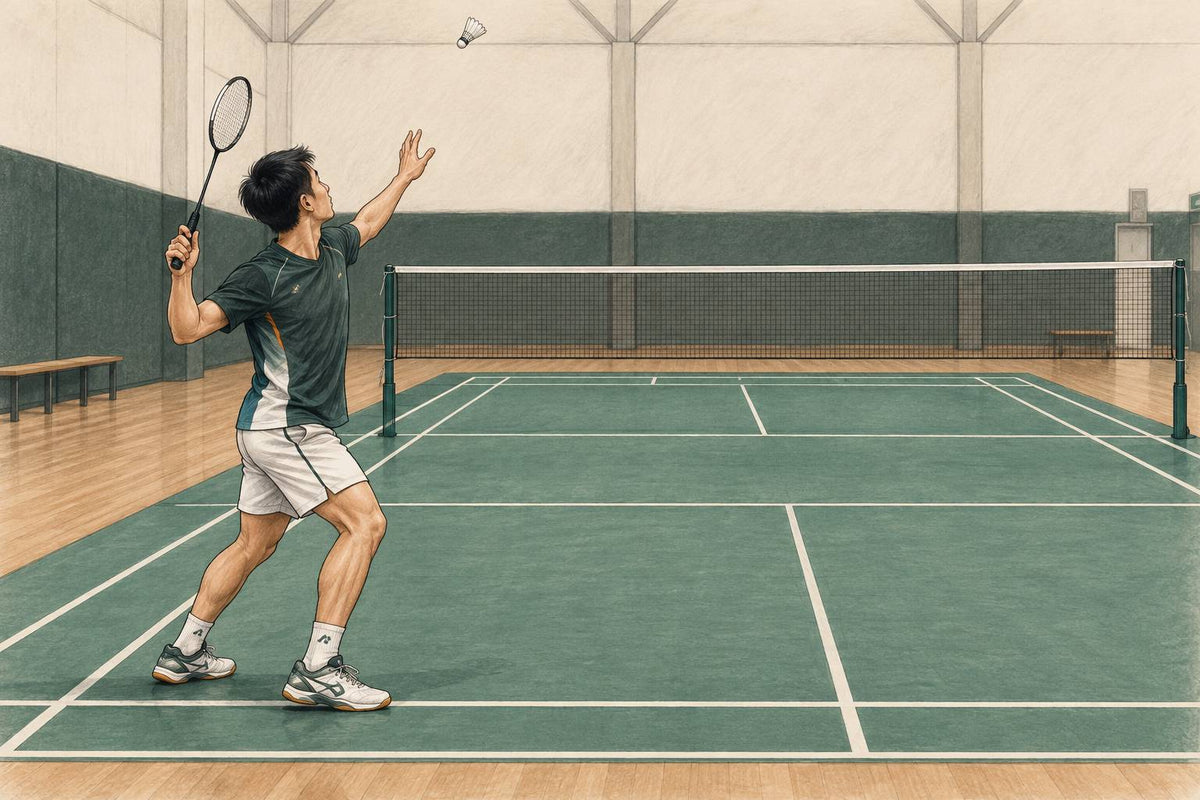

Leave a comment
This site is protected by hCaptcha and the hCaptcha Privacy Policy and Terms of Service apply.