
Last updated: July 2026 · Written by the team at Badminton House
Quick Answer: Shuttle Hits Player or Clothing
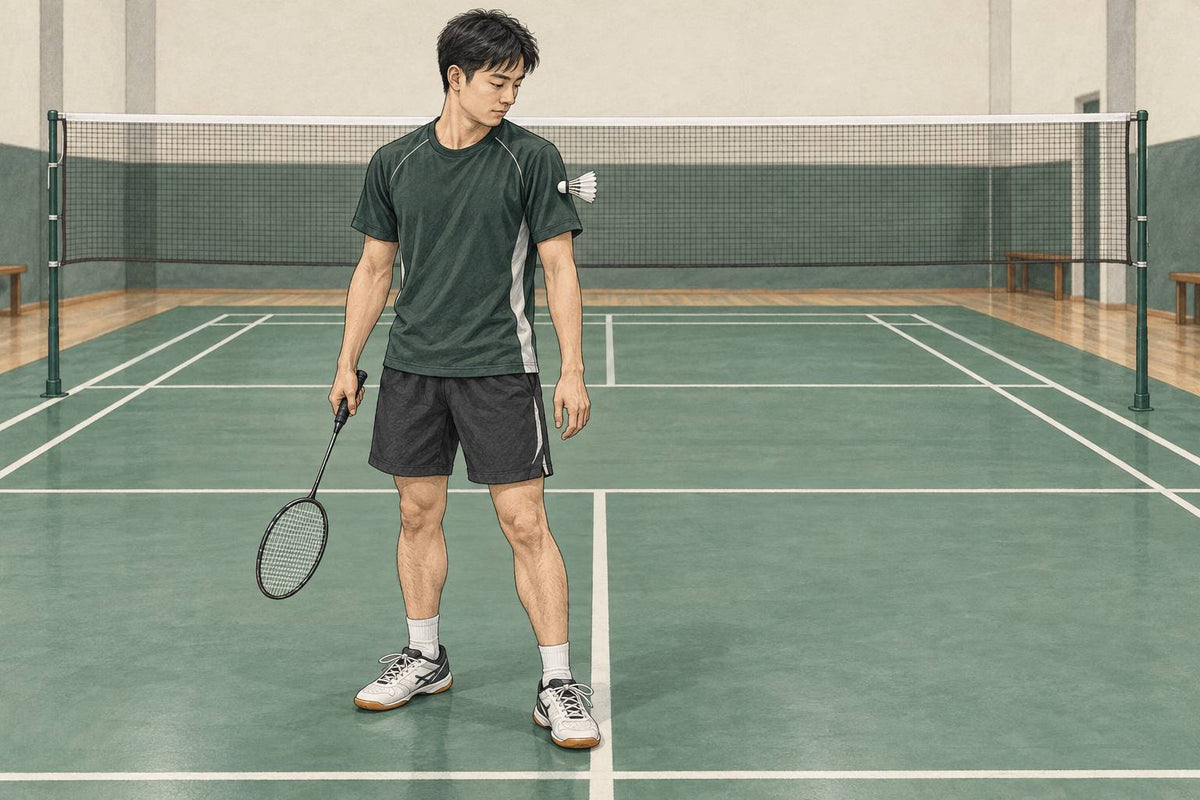
If the shuttle touches a player’s body or clothing during a rally, call a fault under BWF Law 13.3.4, not a let.
Player contact
Fault: any touch to a player or their dress ends the rally against that player’s side, even if the shuttle was drifting out.
Racket contact
Usually legal in one continuous racket stroke; frame contact is not body or clothing contact.
Ask official
If you cannot tell whether the shuttle touched body, clothing, or racket, appeal before the next service.
In This Guide
Badminton shuttle hits player clothing fault: the core rule
Yes: if the shuttle is in play and touches a player’s body or clothing, it is a fault. BWF Law 13.3.4 says it is a fault when the shuttle “touches the person or dress of a player,” and the BWF-aligned Japan Badminton Association rulebook states the same in Article 13, Section 3(4).
Simple ruling: shuttle on racket can be legal; shuttle on body or clothing is a fault, not a let.
That means there is no replay just because the contact was accidental, awkward, or hard to avoid. The rally ends against the player the shuttle touched. It also does not matter where the contact happens or whether the shuttle looked as if it would land in or out. Once an in-play shuttle hits a player’s person or dress, the deciding fact is the contact itself.

What counts as person, dress, or another object?
The key phrase in Law 13.3.4 is “person or dress of a player.” In plain terms, person means the player’s body, while dress means clothing worn on the body. That is not limited to a shirt: a shuttle brushing a player’s shirt, shorts, or headband is still contact with the player’s dress, so it is treated as a fault while the shuttle is in play.
A related fault uses different wording: the shuttle touching “any other object or person outside the court.” That provision is separate from body-or-clothing contact. It is meant for contact with something or someone that is not part of the player’s person or dress.
Para badminton adds one important clarification: a wheelchair or crutch is treated as part of the player’s person. If the shuttle touches it during play, it is judged like body or clothing contact.
Racket contact is different from clothing contact
Do not treat every unusual contact the same. The body/clothing fault is about the shuttle touching the player or dress; racket contact is its own category. The Laws define a stroke as movement of the racket intended to hit the shuttle, and the stringed area is the normal hitting part.
That does not mean frame contact is automatically illegal. If the shuttle clips the racket head or frame during one stroke, play continues. The Laws even state that a single stroke where the shuttle hits the racket head and stringed area is not a fault.
The boundary is different when the shuttle is caught, held, slung, or struck twice in succession by the same player. For that separate issue, see our hold shot and carry fault guide. If frame hits are happening because of timing or contact-point problems, use this racket-frame mishit guide.
Doubles confusion and what players should ask
In doubles, treat clothing contact as a side fault, not an individual excuse: if the shuttle touches either partner’s person or dress while in play, that side loses the rally. Do not confuse that with the separate successive-hit fault, where both partners hit the shuttle before it crosses the net. Service has one extra restriction: the receiver’s partner may not hit the served shuttle; the diagonal receiver must take it.
In an officiated match, listen for “The shuttle touched you.” If you think the point was doubtful, raise the appeal before the next service is delivered.
Which call should you choose?
Use the contact point, not where you think the shuttle was flying, as the decision trigger. If it touched a player’s body or clothing while in play, the rally is over as a fault.
| Choice | Choose this if... | Result |
|---|---|---|
| Player contact | The shuttle touches body, clothing, headband, or Para wheelchair/crutch. | Fault: “The shuttle touched you.” |
| Racket contact | The shuttle contacts strings or racket head in one stroke. | Play on, unless it is caught, slung, or hit twice. |
| Ask official | You cannot tell whether the shuttle touched body, clothing, or racket. | Appeal before the next service is delivered. |
Get 10% off your first order
Join the Badminton House list and we’ll email you a 10% welcome code — plus training guides, technique advice, and badminton updates.
By subscribing, you agree to receive Badminton House emails and can unsubscribe anytime.
If you’re unsure how to apply a rule in a real rally, ask before the next serve and keep the question specific: “Did the shuttle touch me, my clothing, or my racket?” We play badminton too, so if a rules question turns into a gear or setup question, contact us and we’ll help you think it through.
Need reliable shuttles for consistent practice?
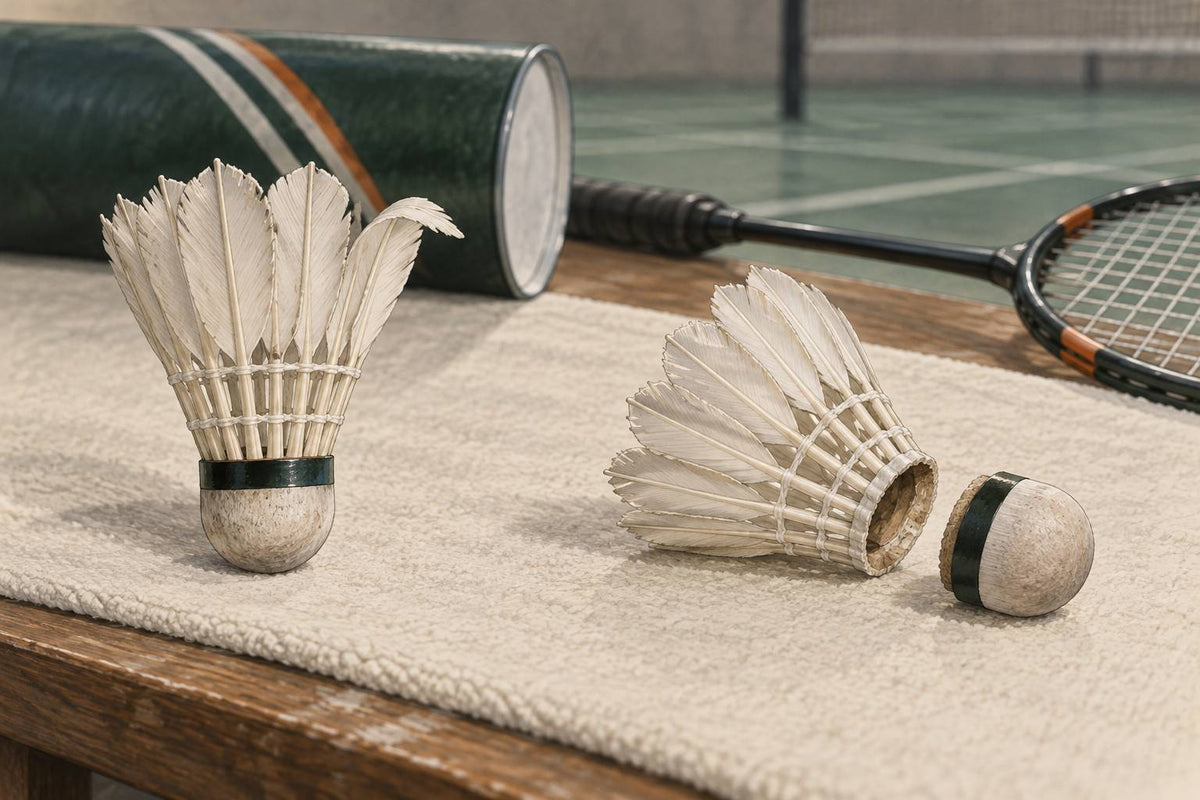
Shop ShuttlecocksBrowse shuttle options before your next session.


Leave a comment
This site is protected by hCaptcha and the hCaptcha Privacy Policy and Terms of Service apply.