
Last updated: July 2026 · Written by the team at Badminton House
Quick Answer: Banthongyord Training
Banthongyord’s edge is not a secret drill; it is a long-term school culture built around discipline, court volume, coaching continuity, and competition.
Default
Study the system: learn how one Bangkok court became a school that developed Ratchanok Intanon and Kunlavut Vitidsarn.
Training
Borrow the habits: early warm-ups, shared routines, high-intensity drills, sparring, and proper cool-downs.
Coaches
Build a pathway: combine fundamentals, regular competition, and patient athlete support instead of chasing quick fixes.
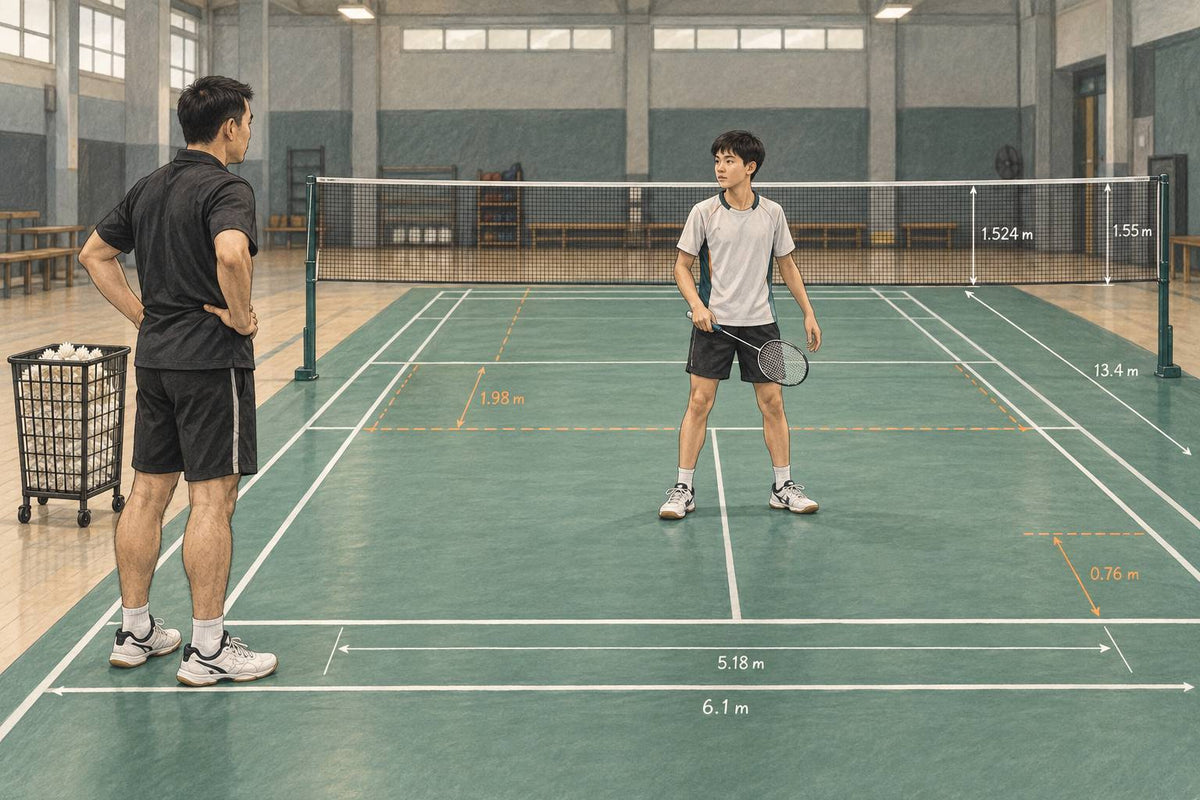
If you’re studying Thailand badminton academy training, don’t start by copying five-hour days or elite sparring volume. Start by asking what makes those hours useful: consistent warm-ups, coach-fed repetition, tournament-intensity drills, and a culture where players show up prepared. Banthongyord in Bangkok matters because it turns that idea into a long-running system, not because it offers a magic drill. Founded by Kamala Thongkorn in 1991 with one court, the school grew from a place for children to play into a pathway associated with Ratchanok Intanon and Kunlavut Vitidsarn.
Train with intent. As you borrow ideas from elite academies, match them to a racket you can control; browse badminton rackets when your current setup is holding back clean practice.
In This Guide
From One Court to Thailand’s First Badminton School

Banthongyord’s origin story is unusually small for a school now associated with elite Thai badminton. In 1991, Kamala Thongkorn’s family created the program in Bangkok as a place for her children and their friends to play. Banthongyord’s own history describes the first setup as one court at Kamala’s house, four players, and coach Pornroj Banditpisut; Nation Thailand identifies Pornroj as a former Thai national-team coach.
The name also came from family life: the school says “Banthongyord” was borrowed from Kamala’s Thai dessert business. Its practical reason for becoming organized was competition access. Banthongyord says Kamala’s children could not enter tournaments without backing from a club or school, so Banthongyord Badminton Club was registered with the Badminton Association of Thailand. In 2003, the club applied to Thailand’s Ministry of Education to operate as Banthongyord Badminton School — the structure behind what many players now think of as Thailand badminton academy training.
What Thailand Badminton Academy Training Looks Like at Banthongyord

At Banthongyord, Thailand badminton academy training is built around discipline that has lasted for decades. The school’s official history explains how Chinese coach Xie Zhihua arrived after the original trainer moved to Krabi; The Star later described him as a long-serving staff coach. Kamala Thongkorn’s philosophy, profiled by the Bangkok Post, is blunt: success needs determination and self-discipline, but the aim is still to build happy, healthy, confident athletes.
That culture shows up in the daily rhythm. Bren On The Road described a visit with early conditioning, then structured on-court blocks of drills and sparring. Badminton Australia noted players arriving early, warming up together, training at tournament intensity, supporting each other off court, and cooling down properly. For a club-level version of that structure, use a badminton practice session plan instead of copying academy volume.
The Pathway: Facilities, Competition, and World-Class Players

For anyone studying Thailand badminton academy training, Banthongyord’s pathway is a useful case: training, school life, and competition sit close together. Facility profiles have described 18 standard courts, fitness equipment, a cafeteria, and dormitory space, giving serious juniors a setting where repeatable daily practice is easier to sustain. The school has also been described with both athlete-focused and general student routes; later reports put its scale in the hundreds of students, so the important point is not one exact headcount but the depth of the training pool.
That environment matters because players need opponents, coaches, and tournament exposure at the right moments. Kamala Thongkorn has emphasized competition access as crucial, and Banthongyord’s graduates show what that pathway can produce. Ratchanok Intanon became the 2013 women’s singles world champion at 18. Kunlavut Vitidsarn won three straight World Junior men’s singles titles from 2017 to 2019, then became the 2023 men’s singles world champion.
Lessons Club Players and Coaches Can Borrow

You do not need to attend Banthongyord to copy what actually transfers: structure and consistency, not volume. Four habits carry the most value for a normal club or school program.
- Fix the warm-up. Make it a shared routine the whole group runs together, not a few individual swings before drills start.
- Feed with a purpose. Coach feeding can control the repetition and tempo for a chosen skill; combine it with rallies when the goal includes reading an opponent.
- Book real competition. Kamala Thongkorn's own view — that competition access is crucial to a player's development — applies to club players too, not just full-time athletes.
- Protect the cool-down. Treat it as part of the session, not an optional extra once players are tired.
Ask Badminton House for Expert Gear Advice
Which Training Model Should You Choose?
Banthongyord is not just a harder version of normal club practice. Use it as a decision filter: choose the training structure that matches the player’s age, goals, support system, and appetite for disciplined repetition.
| Choose this | If your priority is | Banthongyord lesson to copy |
|---|---|---|
| Academy pathway | A junior pursuing badminton as a career, with regular coaching and competition. | Combine daily discipline, coached court work, fitness, and tournament exposure. |
| Club-player plan | Improving without a full-time school environment. | Treat practice like a season, not a one-off: consistent shorter sessions beat occasional long ones. |
| Coach-led group | Building a stronger junior or club culture. | Let experienced players model habits for newer ones, the way a large shared training pool works. |
Get 10% off your first order
Join the Badminton House list and we’ll email you a 10% welcome code — plus training guides, technique advice, and badminton updates.
By subscribing, you agree to receive Badminton House emails and can unsubscribe anytime.
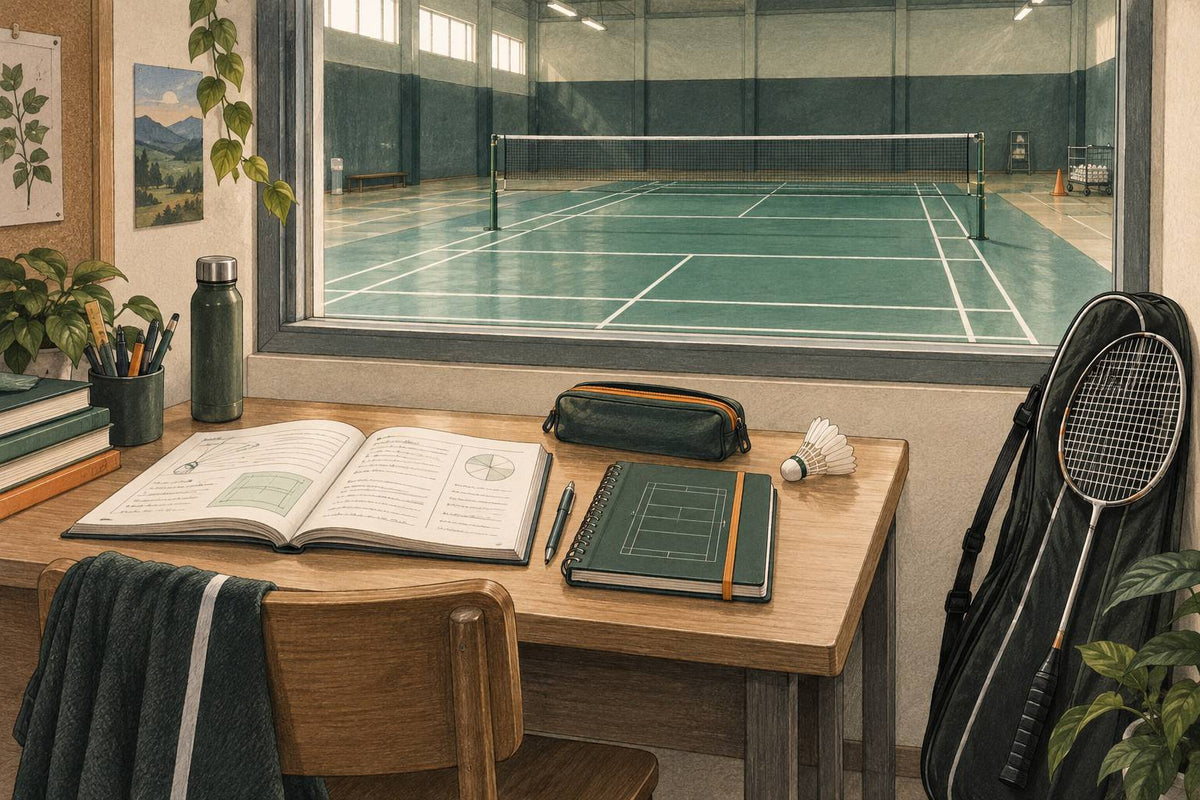
At Badminton House, we play the sport ourselves, so stories like Banthongyord stand out for the right reason: disciplined habits, patient coaching, and smart equipment choices all compound over years, not weeks.
Build your setup around clear goals, clean technique, and a racket that matches how you actually play.
Shop Badminton Rackets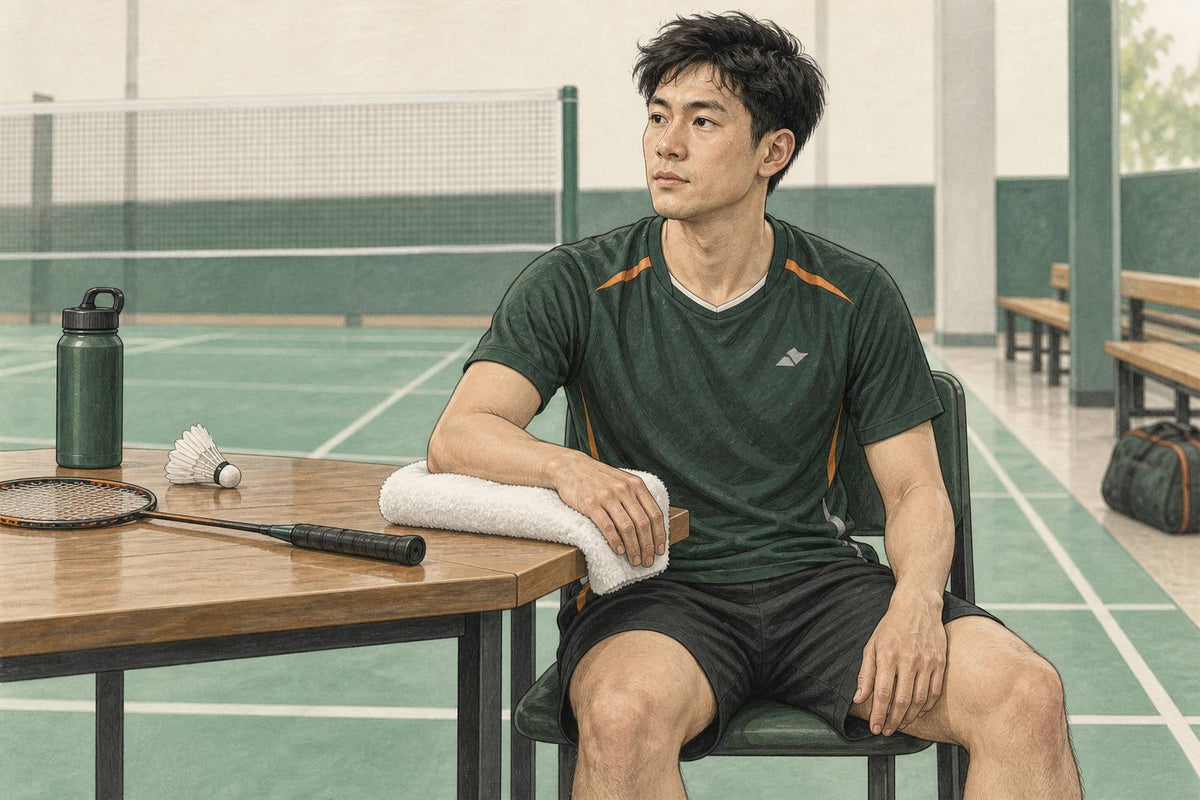

Leave a comment
This site is protected by hCaptcha and the hCaptcha Privacy Policy and Terms of Service apply.