

Last checked: August 2026 · Written by the player-led team at Badminton House
To slow down a badminton shuttle legally, test its speed first and then choose a shuttle that suits the hall. Do not bend feathers, crush the skirt, cut anything or otherwise alter the shuttle. The lawful solution is selection and agreement before play, not a physical modification during it.
Related reading: Badminton shuttle speed test on court
Test the shuttle before deciding that it is too fast
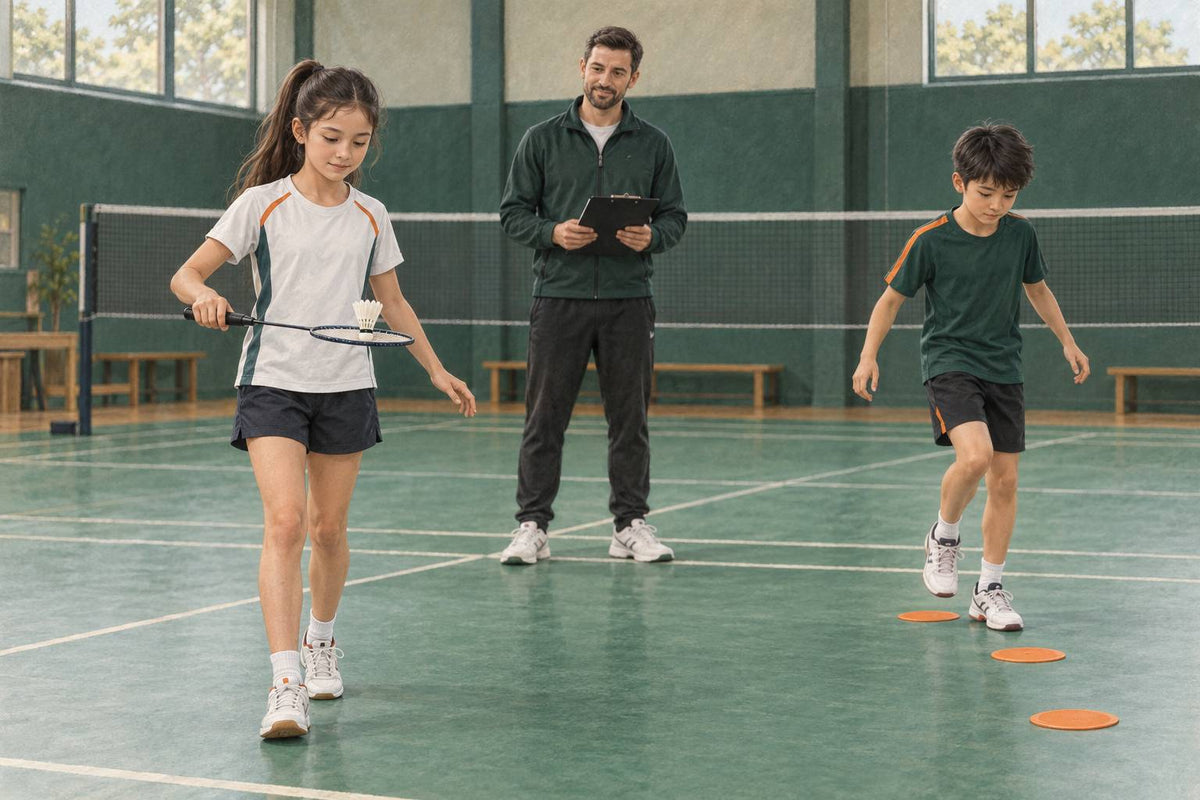
A speed test gives both players one repeatable reference. Use a full underhand stroke from over the back boundary, send the shuttle upward and parallel to the sidelines, then observe where it lands. Test several shuttles from the tube because one damaged shuttle is not evidence that every shuttle is the wrong speed.
Keep the test honest. Use the same end of the court, allow a normal warm-up first and avoid changing the stroke from one shuttle to the next. A casual club test will never be laboratory precise, but it can identify an obvious fast or slow tube before the score makes the decision emotionally expensive. If the two players read the result differently, repeat the test once from the other end, then choose the shuttle both sides can accept.
Under the current Laws, a correct-speed shuttle lands between 530 mm and 990 mm short of the other back boundary line in that test. Law 3 also specifies the stroke direction and starting position. The same full-underhand procedure and landing band appear in Tower Hamlets Council’s Mayor’s Cup badminton guidance. In club play, you do not need a tape measure for every warm-up, yet both sides should watch the same test and agree before the score begins.
A shuttle that repeatedly reaches too far is fast for that hall and those conditions. A shuttle that falls well short is slow. Temperature, altitude and air movement can change how a shuttle feels, so do not assume a number printed on a tube will behave identically in every venue.

Choose a slower speed rather than trying to repair a fast shuttle
If the test shows the shuttle is fast, use a slower model or speed from the same approved range when one is available. Make the choice with your opponent before the match or at a natural shuttle-change point. Keep the unused tube nearby so both sides can see what was selected.
Do not confuse a slower shuttle with a worn shuttle. A worn shuttle may wobble, fall oddly or lose a feather, which changes the quality of the rally as well as its length. A suitable slower shuttle should still fly consistently. If neither available tube tests well, agree the best usable option and keep the match conditions the same for both sides.
For a casual session, the practical rule is simple: use a shuttle that lets normal clears land in the court and lets both players play their intended shots. For organised competition, follow the organiser’s supplied shuttle and any local procedure. The Laws allow approved modifications to specifications where altitude or climate makes a standard shuttle unsuitable, but that is a governing-body decision rather than an invitation for players to improvise.
Agreeing early saves a familiar argument. One player may feel a shuttle is perfect because their attacking clear reaches the line; another may experience every lift as too long. The test removes preference from the first decision. If the tube is mixed or worn, replace the shuttle rather than trying to make one specimen behave like a new one.
Do not alter feathers, skirt or base during play
Deliberately changing a shuttle’s speed or flight by modifying or damaging it is prohibited. If a shuttle is bent, cracked, broken or flying unpredictably, stop using it and agree a replacement. Treating damage as a speed-control method creates an unfair shuttle and invites a dispute.
This includes squeezing a skirt, folding feathers, trimming material, wetting the shuttle to force a different flight or repeatedly manipulating the base. A player may notice damage and request a change. They should not use damage as a tool. Law 16.6.2 specifically prohibits deliberately modifying or damaging a shuttle to change its speed or flight.
In unumpired club play, resolve a replacement disagreement between rallies under your group’s agreed process; test a fresh shuttle together if needed. In an umpired match, request a check and follow the official’s decision. The goal is a shuttle that is predictable enough for fair shot selection, not a technical victory in an argument about equipment.
Use a two-minute pre-match shuttle routine
A short routine prevents most shuttle-speed disputes: open a fresh shuttle, let both sides inspect it, test it from each end if needed, agree the speed, and keep one spare ready. The routine is faster than debating three questionable rallies later.
- Select a fresh shuttle from the intended tube.
- Hit the Law 3 underhand test and watch the landing together.
- If it is fast, select a slower suitable shuttle rather than altering it.
- Replace damaged shuttles instead of trying to tune them mid-match.
The legal answer to a fast shuttle
Test it, agree a slower suitable shuttle, and replace damaged ones. Never alter the shuttle’s skirt, feathers or base to create a slower flight.

Leave a comment
This site is protected by hCaptcha and the hCaptcha Privacy Policy and Terms of Service apply.