
Last updated: July 2026 · Written by the team at Badminton House
Quick Answer: Accidental Slice in Badminton
Accidental slice brushes the shuttle instead of meeting the cork squarely. Suspect it when a fast clear, drive, or smash sounds thin, bends sideways, or lands short. Film from behind, then rebuild slower with the correct grip, a flat string bed, and contact in front.
Accidental slice
Best choice: suspect it when a strong swing produces thin sound, drift, or short carry.
Normal rotation
Keep it when forearm rotation brings the face flat and flight stays straight.
Racket mismatch
Check only after contact, especially if racket weight disrupts timing or control.
If your clear feels like a full swing but lands short, or your smash leaves the strings sounding thin and drifting sideways, you may not be “weak”—you may be slicing the shuttle by accident. In badminton, normal forearm rotation should bring the racket face flat through contact. Accidental slice is different: the face arrives slightly tilted, so the strings brush the shuttle instead of meeting it squarely.
In This Guide
What Accidental Slice in Badminton Actually Is
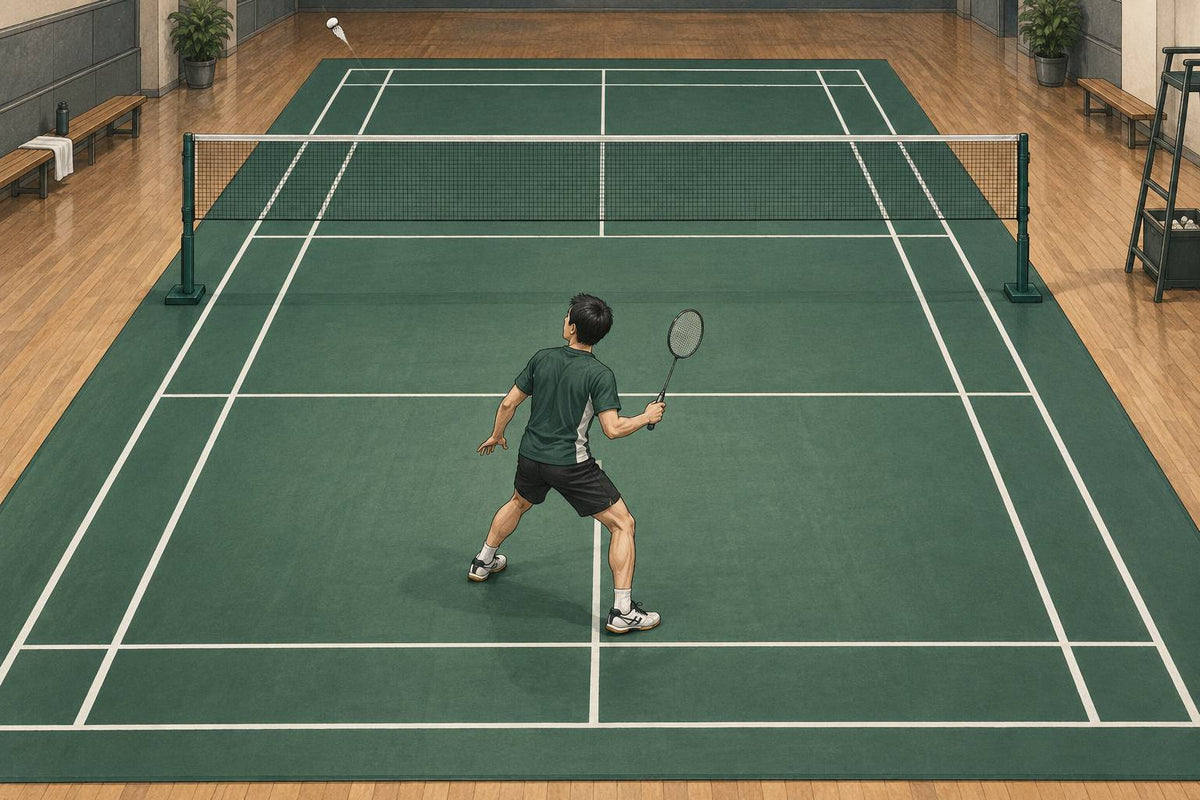
Accidental slice in badminton is not the same as normal racket-face rotation. On a clean forehand overhead, the power starts from the body and is released through forearm pronation: the forearm turns so the string bed arrives flat and square to the shuttle, without relying on an isolated wrist flick; this is not a cue to lock the wrist. On the backhand side, the same idea is supination: forearm rotation turns the face into contact.
A slice uses racket motion across the contact, creating a glancing hit; face tilt alone does not define it. That can be useful when you mean to play a deceptive slice drop, because the cut is deliberate and controlled. It becomes accidental slice when that same brushed contact sneaks into a clear, drive, or smash you intended to hit cleanly. The swing may look strong, but the racket face is no longer square at impact.
Why Power Disappears and the Shuttle Drifts
An accidental slice can feel like a full swing because your arm speed is still there. The problem is contact quality. Instead of driving through the cork with a square racket face, the strings brush across the shuttle. A glancing contact can change the transfer of momentum and the shuttle’s spin; it does not follow that spin accounts for all the lost distance. If contact is also off-centre, the string bed loads unevenly, so the shuttle leaves with less clean transfer. That is why a clear, drive, or smash can sound busy and look aggressive but still carry short.
Contact direction and aerodynamic response both affect the flight, so sideways drift alone cannot prove accidental slice. High-speed slice-shot research documents spin differences and a brief lifting effect; it does not make every sideways miss a spin diagnosis. Compare the racket path at contact with the intended shot.

Diagnose It with Video, Sound, Trajectory, and Contact Marks
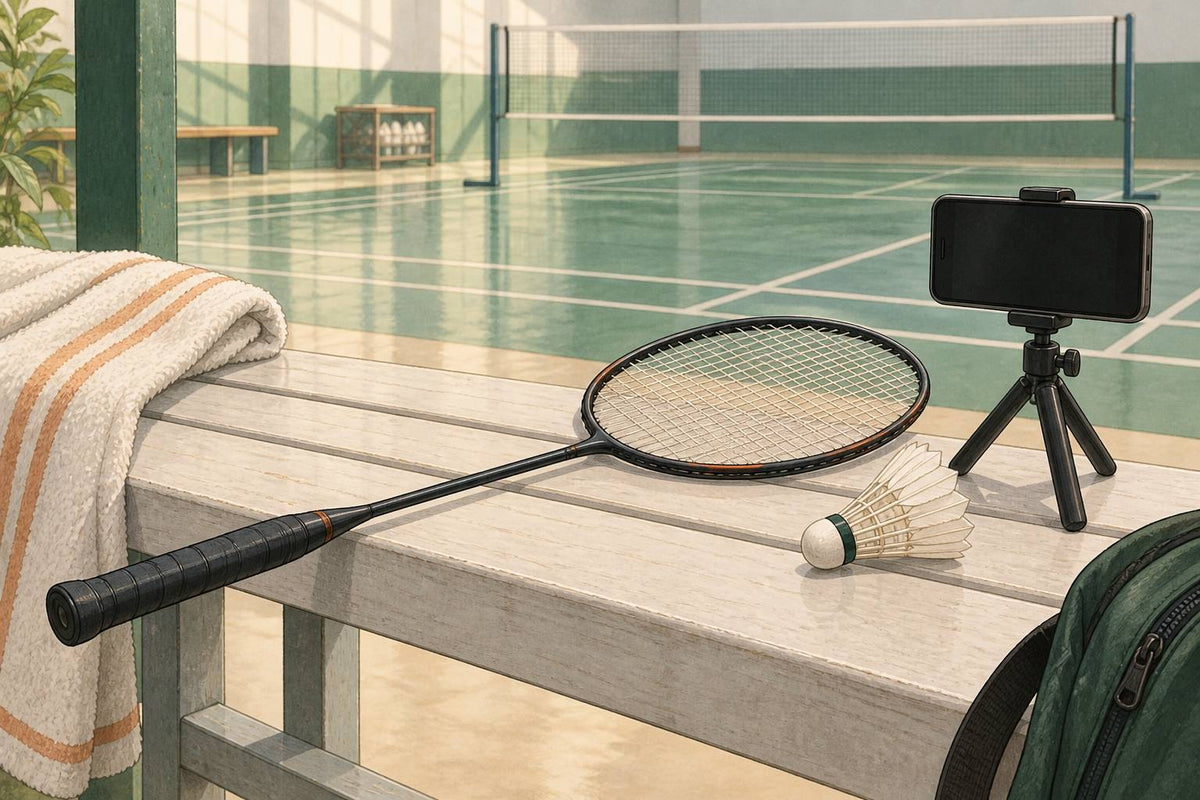
Film from behind and slightly to your racket side. Use slow motion if available, then compare your stroke shape with a skilled player: preparation, arm path, contact at the highest point in front of the body, weight transfer, and recovery steps. The goal is not to copy style perfectly; it is to spot whether the racket face is arriving square or sliding across the shuttle.
- Sound: clean contact gives a crisp, repeatable pop. Accidental slice often sounds dull, thin, or different from swing to swing.
- Flight: a flat hit leaves cork-forward and nearly straight. A brushed hit curves, fades sideways, or drops shorter than the swing suggests.
- Racket clues: repeated scuffs, feather dust, or string breaks near the top or sides of the frame are clues to investigate, not proof of slice or one cause of breakage.
Check these signs first on pressured clears and smashes, where late preparation makes angled contact most obvious.
Progressive Checks to Rebuild Clean Square Contact
Fix accidental slice from the handle outward. Do not start by swinging harder; that usually hides the same angled contact at higher speed.
- Grip first: return to a proper forehand grip. A panhandle position discourages pronation, so the racket face tends to arrive open, closed, or cutting across the shuttle.
- Static shadow: stand still, hold the racket loose, and rotate the forearm until the face snaps flat. Keep the shoulder quiet and avoid curling the wrist. For the full mechanics, see forearm pronation for power.
- Fed stick-smash drill: have a partner feed high shuttles. Use only forearm rotation, not a full overhead swing, and listen for a crisp, clean contact sound.
- Timing check: stay relaxed until the last split second, then firm the fingers at impact. If you tighten early, the face often twists late; use the relax-then-squeeze grip timing cue.
Your final contact checklist is simple: meet the shuttle at maximum height, in front of your body, and never drifting behind your head.
Which Check Should You Choose First?
Start with the check that matches the symptom you can reproduce most reliably. If two symptoms appear together, choose the one that gives the clearest evidence without changing your swing.
| Check | When it helps most | Use it to decide |
|---|---|---|
| Video | Your overhead action looks strong, but contact keeps arriving late or angled. | Whether forearm rotation is turning the face flat, or a last-second angled swipe is sneaking in. |
| Sound | You cannot see the racket face clearly during full-speed hits. | Whether a slower rotation-only feed is producing clean contact before you add a bigger swing. |
| Trajectory | The shuttle repeatedly travels off your intended line. | Whether the racket face direction at impact is sending the shuttle away from target. |
| Contact marks | Strings show repeated wear or breaks near the frame. | Whether off-centre impact, not only timing, is part of the mishit pattern. |
Get 10% off your first order
Join the Badminton House list and we’ll email you a 10% welcome code — plus training guides, technique advice, and badminton updates.
By subscribing, you agree to receive Badminton House emails and can unsubscribe anytime.
Clean contact takes patience: keep filming, listening for the crisp hit, and rebuilding the square racket face before adding speed. We play badminton and know how small grip, timing, and racket-fit details can turn into stubborn mis-hits. If you want a second opinion on what you’re seeing, contact us for player-to-player advice.
Once the accidental slice is fixed, choose a racket you can control. The right weight and feel help you keep the face flat instead of fighting the frame.
Shop Badminton Rackets — Check Live Availability

Leave a comment
This site is protected by hCaptcha and the hCaptcha Privacy Policy and Terms of Service apply.