
Last updated: July 2026 · Written by the team at Badminton House
Quick Answer: Best Beginner Racket Specs
A first racket should make timing easier, not punish every small mistake.
Weight
Start with 4U (80-84 g): light enough for defence, drives, and learning clean timing.
Balance
Choose even balance or slightly head-light before chasing a heavy smash racket.
Flex
Flexible to medium-flex shafts are friendlier while your swing speed develops.
Budget
Use $80-$180 CAD as an illustrative budget, not a current price range or required spend.
If you are buying your first serious badminton racket in Canada, start with the racket that makes rallies easier. Most beginners are better served by a 4U racket with an even or slightly head-light balance, a flexible to medium-flex shaft, factory stringing or moderate tension, and money left for proper indoor court shoes.
The best beginner racket is the one that helps you make clean contact, recover quickly, and enjoy longer rallies. Power matters, but control and forgiveness matter more while your timing, grip changes, and footwork are still developing.
Need a first racket? Browse our badminton racket collection, or use this guide to narrow the specs before you shop.
Which Beginner Racket Should You Buy First?
The best beginner badminton racket is usually a lightweight all-round racket, not a heavy head-heavy smash racket. Look for 4U weight, even balance, flexible or medium-flex shaft, and a comfortable grip size. Examples of beginner-friendly categories include Yonex Play-series rackets, Victor all-round rackets, and similar entry-to-mid range models from established badminton brands. Exact models vary by current Canadian availability.
If you are choosing between two rackets and both are genuine, pick the one that feels easier to swing. Beginners lose more points from late contact and mishits than from not having enough maximum smash power.
Choose Your Path
Best default for most beginners
First club racket: choose 4U weight, even balance, and a flexible or medium-flex shaft. This is the safest starting point if you are unsure.
Best for fast doubles rallies
Doubles defence and drives: choose 4U or 5U, even to slightly head-light balance, and fast handling.
Best if you want more smash feel
Power-curious beginner: choose 4U, slightly head-heavy, and medium flex instead of extra stiff.
Best for junior or casual use
Junior or casual player: choose a manageable racket with appropriate length and grip, and a string setup within the frame’s guidance; a lighter U label alone does not establish junior suitability.
What Do Beginners Actually Need?

A beginner needs a racket that forgives imperfect timing. That means easy swing speed, a stable string bed, and enough shaft flex to help generate length on clears without forcing the arm.
- Easy timing: a lighter racket helps you prepare earlier and recover faster between shots.
- Forgiveness: an all-round frame is less punishing when you hit slightly off centre.
- Comfort: avoid extra-stiff shafts until your swing speed and contact point are consistent.
- Durability: beginner doubles often includes frame clashes, so overspending too early can hurt.
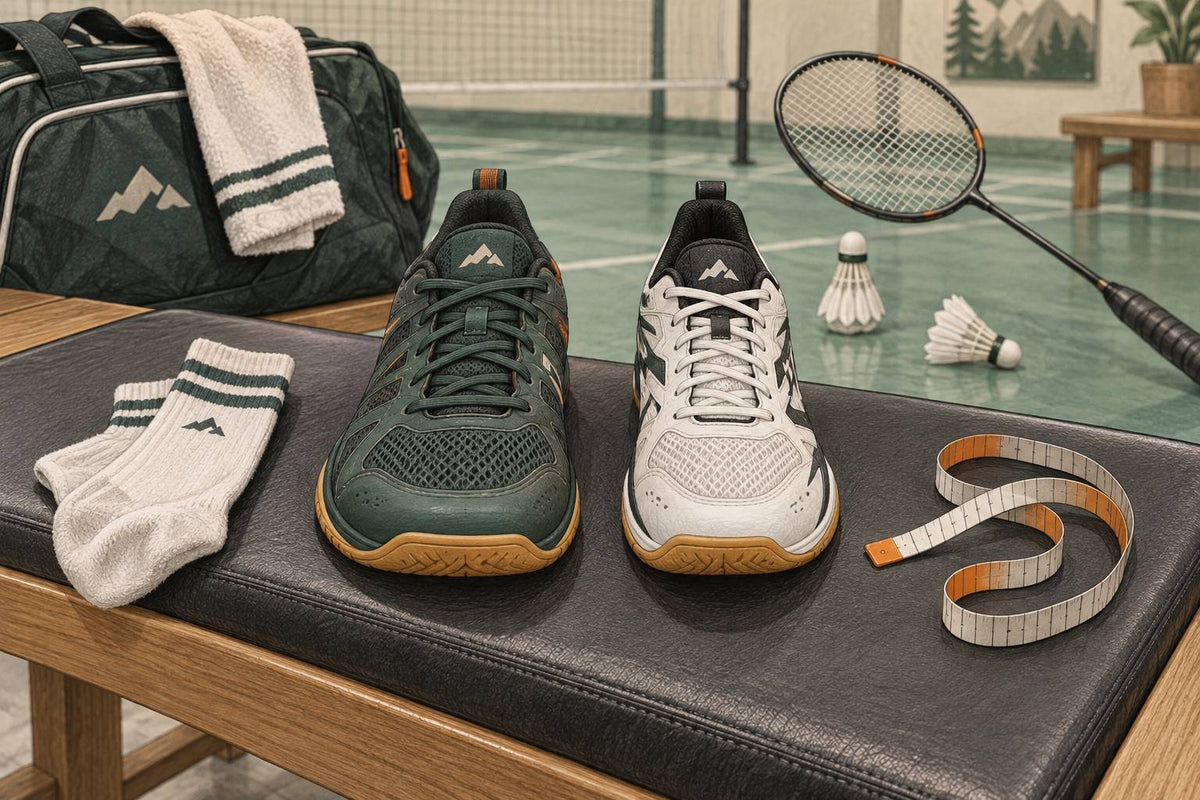
One honest note: if you are playing on indoor courts, badminton shoes may matter more than upgrading from a good beginner racket to a premium racket. Shoes affect grip, braking, lunges, and side-to-side stability every rally. A $120 racket plus proper court shoes is usually a better first setup than a $300 racket with running shoes.
Which Specs Should Beginners Choose?

Use specs as a filter, not a personality test. The goal is to avoid extremes while you learn what kind of player you are becoming.
Read the specs in this order: weight first, then balance, then flex, then string tension. Weight changes how quickly you can prepare the racket. Balance changes whether the racket feels fast or powerful. Flex and tension decide how forgiving the contact feels.
Within a manufacturer’s U system, a higher number generally indicates a lighter class. Check its listed grams and whether the figure is unstrung; the label alone does not determine handling.
| Spec | Beginner Range | Why It Helps |
|---|---|---|
| Weight | 4U (80-84 g) is the safest default; 5U (75-79 g) if you want maximum speed | Try manageable weights and compare repeated preparation, contact and recovery. |
| Balance | Even balance or slightly head-light | More forgiving than very head-heavy rackets, especially for drives and defence. |
| Flex | Flexible to medium | Helps with length and comfort before your swing speed is fully developed. |
| String tension | A suitable setup within the exact frame’s guidance | Lower tension gives a larger sweet spot and more comfort on off-centre hits. |
| Grip size | Comfortable in hand; add overgrip if needed | A grip that is too large makes quick grip changes harder. |
Want a deeper explanation of weight, balance, flex, string tension, and grip size? Read our visual guide to choosing a badminton racket.
How Much Should a Beginner Spend in Canada?
The budget bands below are illustrative spending plans, not current quotes or a quality guarantee. Compare the exact model and leave room for suitable court shoes, strings and shuttles.
Start with your total setup budget, then protect the basics: a genuine racket, proper indoor court shoes if you play on indoor courts, and enough budget for shuttles or restringing later. The racket matters, but the full starter setup matters more.
| Budget | Best For | Buying Advice |
|---|---|---|
| Under $80 CAD | Casual, school, or first-trial use | Fine for occasional play, but compare carefully if you plan to join a club. |
| $80-$130 CAD | First real racket | Best starting range for most committed beginners. |
| $130-$180 CAD | Beginner to early club player | Worth it if you play weekly and want a racket you can grow with. |
| $200+ CAD | Specific player preference | Wait until you know whether you prefer power, speed, or control. |
Simple Budget Flow
- If you play occasionally: stay closer to the lower end and prioritize comfort.
- If you play weekly: look in the $80-$180 CAD range for a racket you can grow with.
- If you already have court shoes: you can put more of the budget into the racket.
- If you still play in running shoes: choose a solid mid-range racket and leave money for proper badminton shoes.
What Beginner Racket Mistakes Should You Avoid?
Mistake 1: Buying the stiffest pro racket
Extra-stiff rackets reward fast, clean swings. If your timing is still developing, they can feel harsh and underpowered. Compare a manageable flexible or medium model; the complete setup matters more than a skill label.
Mistake 2: Choosing head-heavy for power too early
Head-heavy rackets can help strong players hit harder, but they are slower in defence. For beginners, even balance gives a better mix of clears, drives, blocks, and net shots.
Mistake 3: Stringing too tight
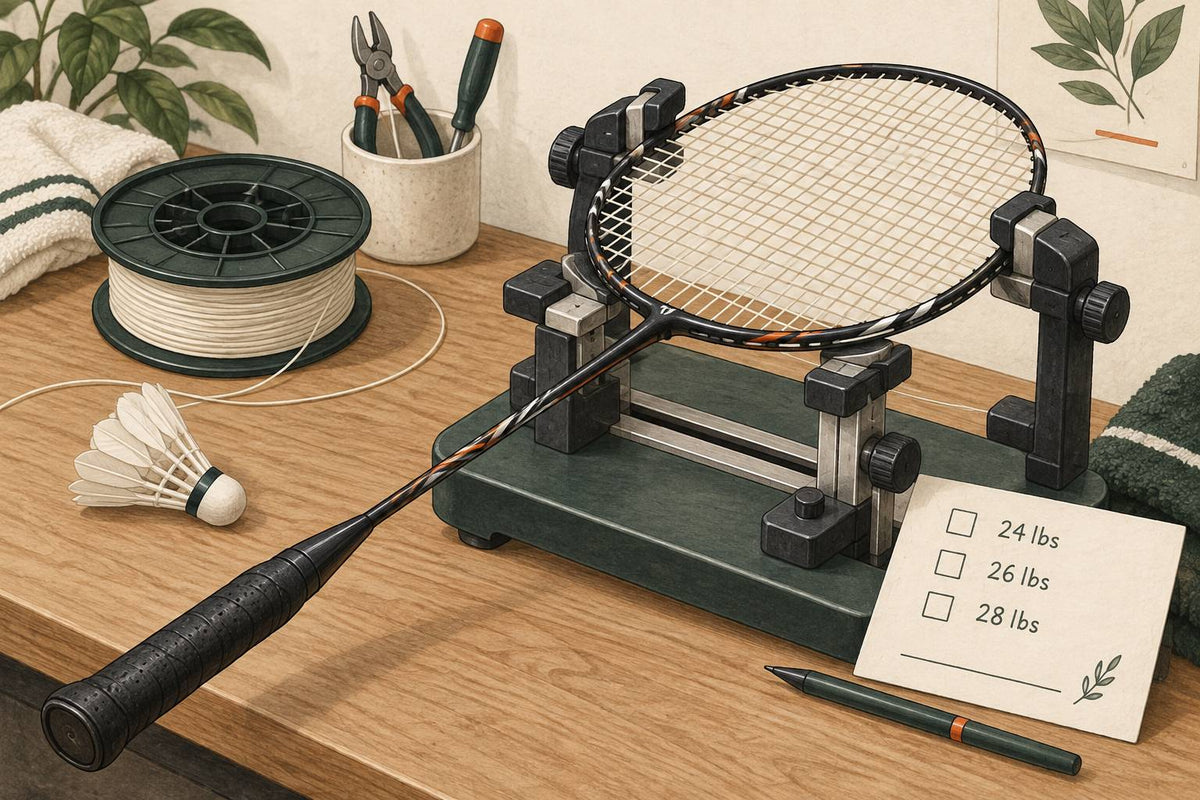
High tension gives control only if you hit the sweet spot consistently. Beginners usually play better with moderate tension because it is more forgiving and comfortable.
Mistake 4: Ignoring counterfeit risk
If a premium racket price looks impossible, be careful. Counterfeit rackets can have wrong weight, poor balance, weak materials, and no reliable warranty path. Buy from a Canadian specialty shop or another trusted source, and check our fake badminton racket guide before taking a risky deal.
What Should Canadian Buyers Watch For?
Canadian badminton players have a few extra buying considerations: shipping cost, import fees, returns, warranty support, and winter delivery timing. A racket that looks cheaper overseas may not be cheaper after currency conversion, duty, shipping, and return difficulty.
- Compare final landed cost: check the total in CAD, not just the sticker price.
- Check return rules: beginners often need advice, exchanges, or help choosing a better fit.
- Avoid mystery marketplace listings: unclear seller identity increases counterfeit and warranty risk.
- Leave budget for shoes and shuttles: the full starter setup matters more than the racket alone.
Not sure where your budget should go?
If you already have indoor court shoes, spend more on the racket. If you are still playing in running shoes, buy proper badminton shoes first and choose a solid mid-range racket.
Beginner Racket Decision Checklist
Before you buy, run the racket through this quick checklist. If it passes most of these points, it is probably beginner-friendly.
| Question | Best Beginner Answer | If Not |
|---|---|---|
| Can you swing it easily? | Yes, especially in quick preparation and recovery. | Try 4U or 5U before choosing a heavier feel. |
| Is the balance extreme? | No, it is even or only slightly head-light/head-heavy. | Avoid very head-heavy power rackets as a first choice. |
| Is the shaft forgiving? | Flexible to medium flex. | Skip extra-stiff until your swing speed is consistent. |
| Does the price leave room for essentials? | Yes, especially shoes for indoor court play. | Choose a solid mid-range racket instead of overspending early. |
| Is the seller trustworthy? | Yes, with clear Canadian support or a reliable warranty path. | Be careful with mystery marketplace listings and impossible premium prices. |
Beginner Badminton Racket FAQ
Is 3U or 4U better for beginners?
4U (80-84 g) is usually better for beginners than 3U (85-89 g) because it is easier to swing and recover with. Choose 3U only if you already have strong timing, prefer singles, or know you like a heavier feel.
Is head-heavy bad for beginners?
Not always, but very head-heavy rackets can slow down defence and quick grip changes. A slightly head-heavy all-round racket can work, but avoid extreme power rackets as a first choice.
Should beginners buy Yonex, Victor, Li-Ning, or Babolat?
Any established badminton brand can work if the specs fit you and the racket is genuine. Brand matters less than weight, balance, flex, comfort, and whether you can get trustworthy support in Canada.
Should I buy a premium racket as my first racket?
Usually no. Buy premium once you know your preferences. A good beginner-to-intermediate racket gives you room to improve without locking you into a stiff, specialized frame too early.
Ready to choose your first serious racket?
Start with the specs above, then compare current Canadian options by feel, budget, and support.
Get Gear Checklist and Restock AlertsNeed the full spec breakdown? Read our racket choosing guide.
Get 10% off your first order
Join the Badminton House list and we’ll email you a 10% welcome code — plus subscriber-only restock alerts, giveaways, and honest gear advice from players.
By subscribing, you agree to receive Badminton House emails and can unsubscribe anytime.

Leave a comment
This site is protected by hCaptcha and the hCaptcha Privacy Policy and Terms of Service apply.