
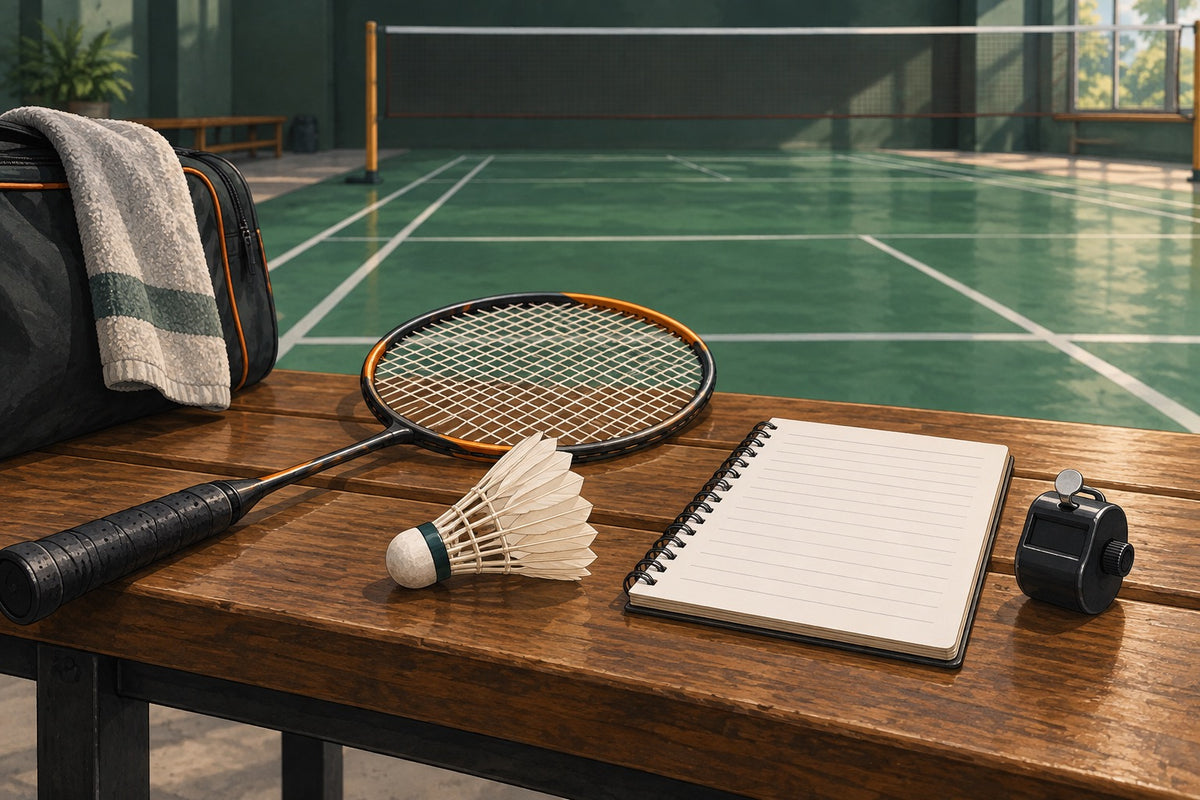
Badminton Rally Count Targets That Measure Real Progress
Use cooperative badminton rally count targets to make one practice block measurable, with clear reset rules, a simple log, and starting targets that are not player ratings.
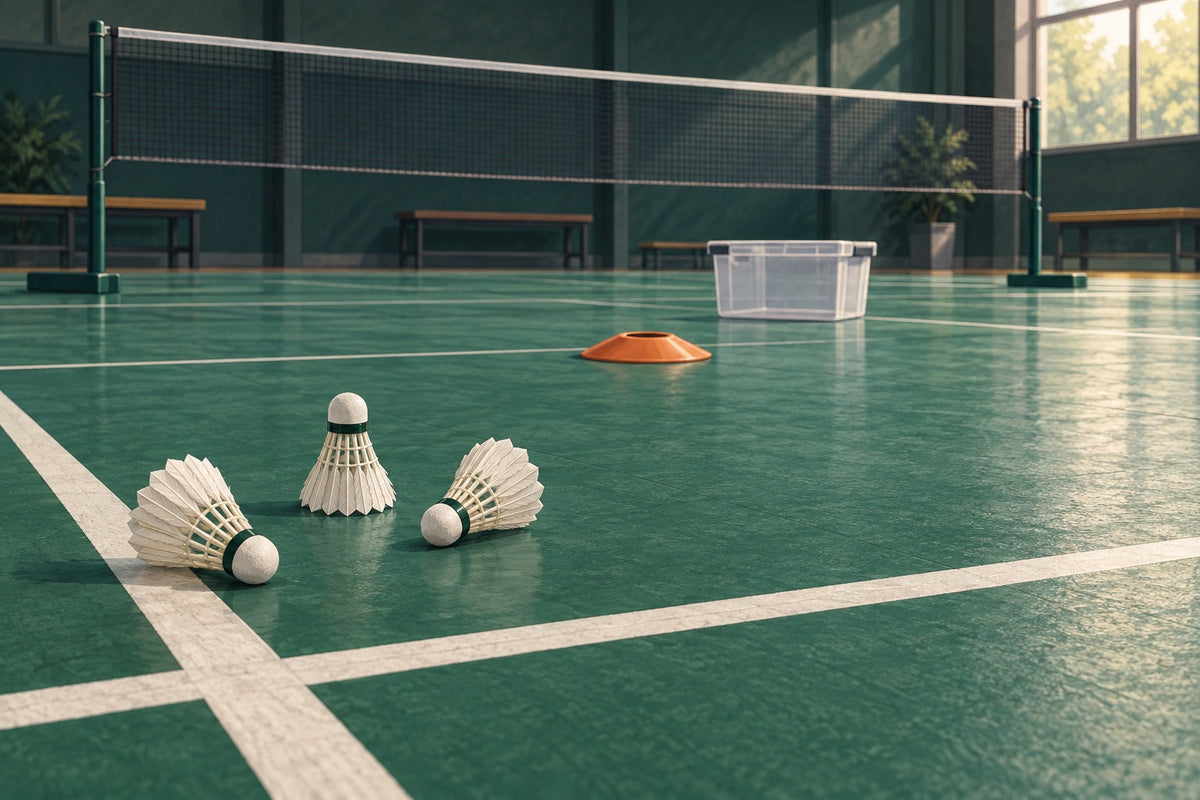
Badminton Footwork Drill With Shuttles: Pick Up, Lunge, Recover
Use a badminton footwork drill with shuttles to practise a real lunge, controlled recovery, and quality-based progression without turning shuttle collection into rushed bending.
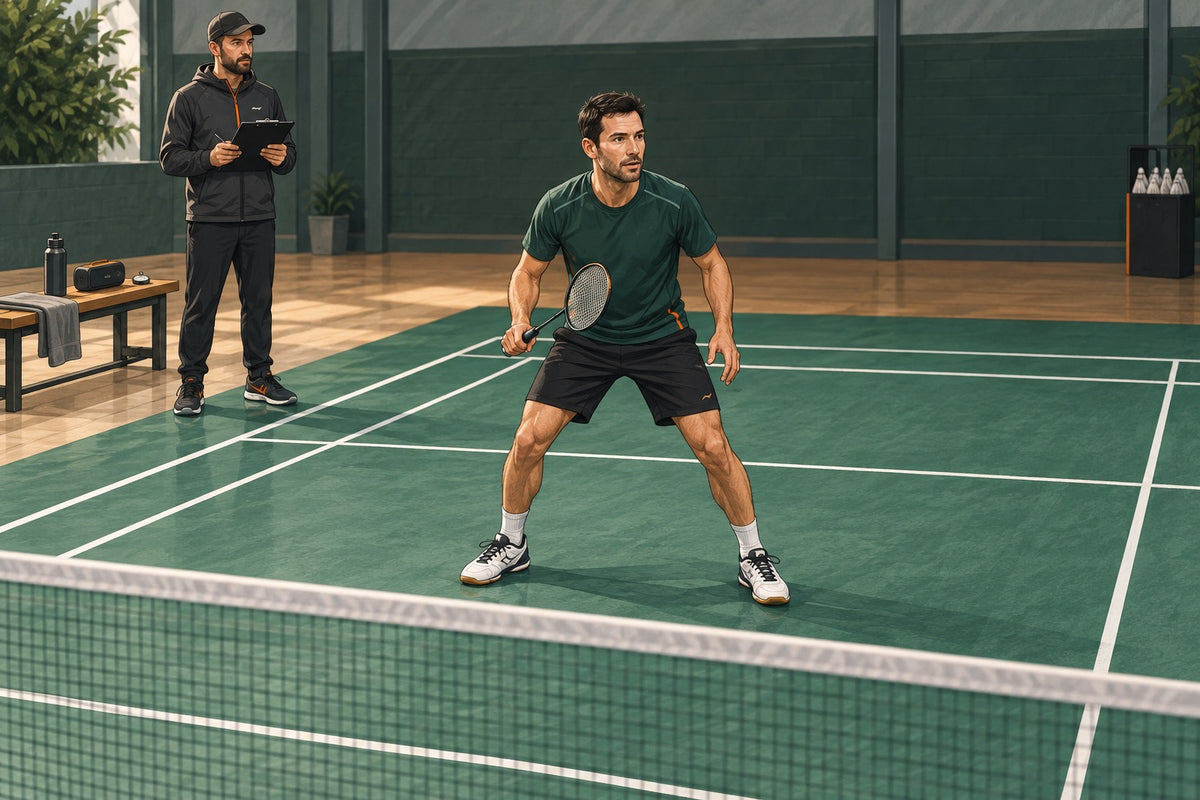
The Badminton Endurance Test You Can Run on Your Own Court
Run and score the 16-level AIR-BT badminton endurance test with its exact cadence, corner route, recovery, stop rule, and safe retest plan.
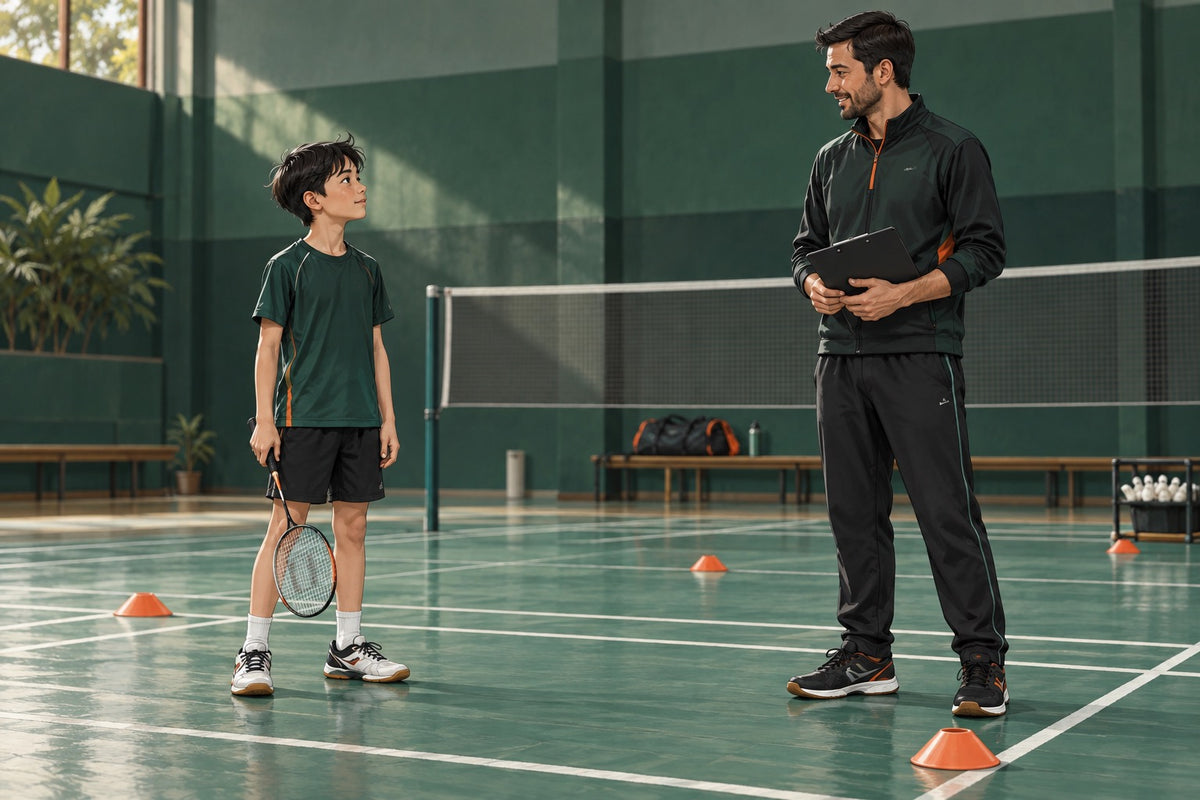
Badminton Training by Age: What Changes as Young Players Grow
Plan junior badminton around maturity, training experience, competence, growth and recovery instead of rigid age windows that claim a quality can only be developed at one stage.
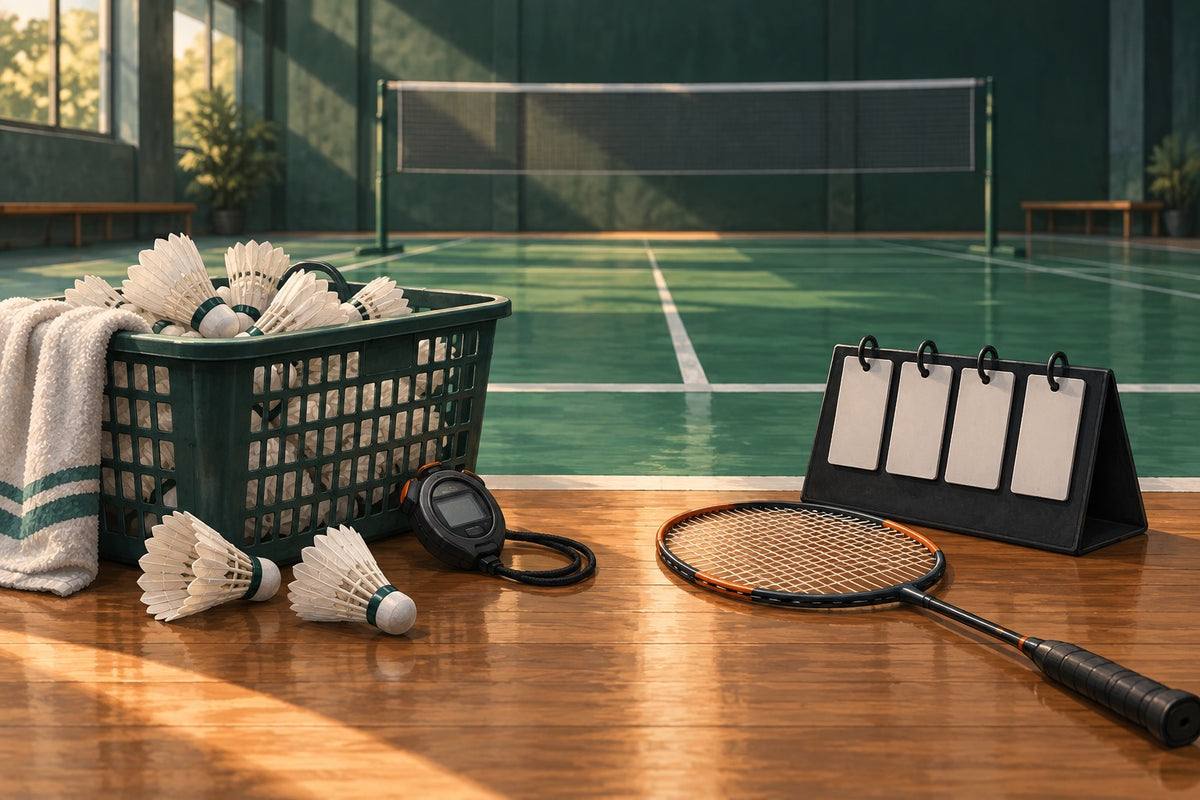
Badminton Drill Intensity: Why Matches Feel Harder
Separate physiological intensity from match feel, then choose session structures for overload, match-pattern timing or representative play.
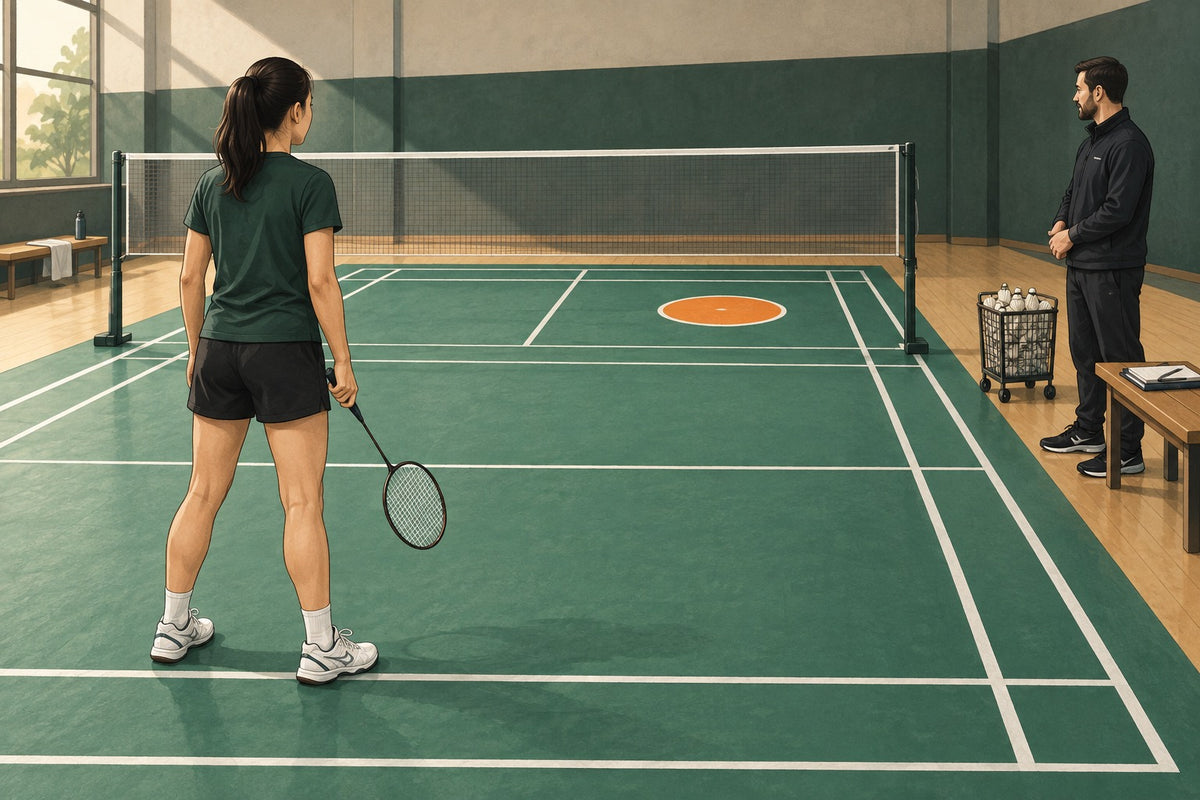
How to Make Badminton Drills Harder or Easier: Six Dials
Scale one badminton drill for mixed abilities by changing body, time, space, people, equipment or rules—one dial at a time.
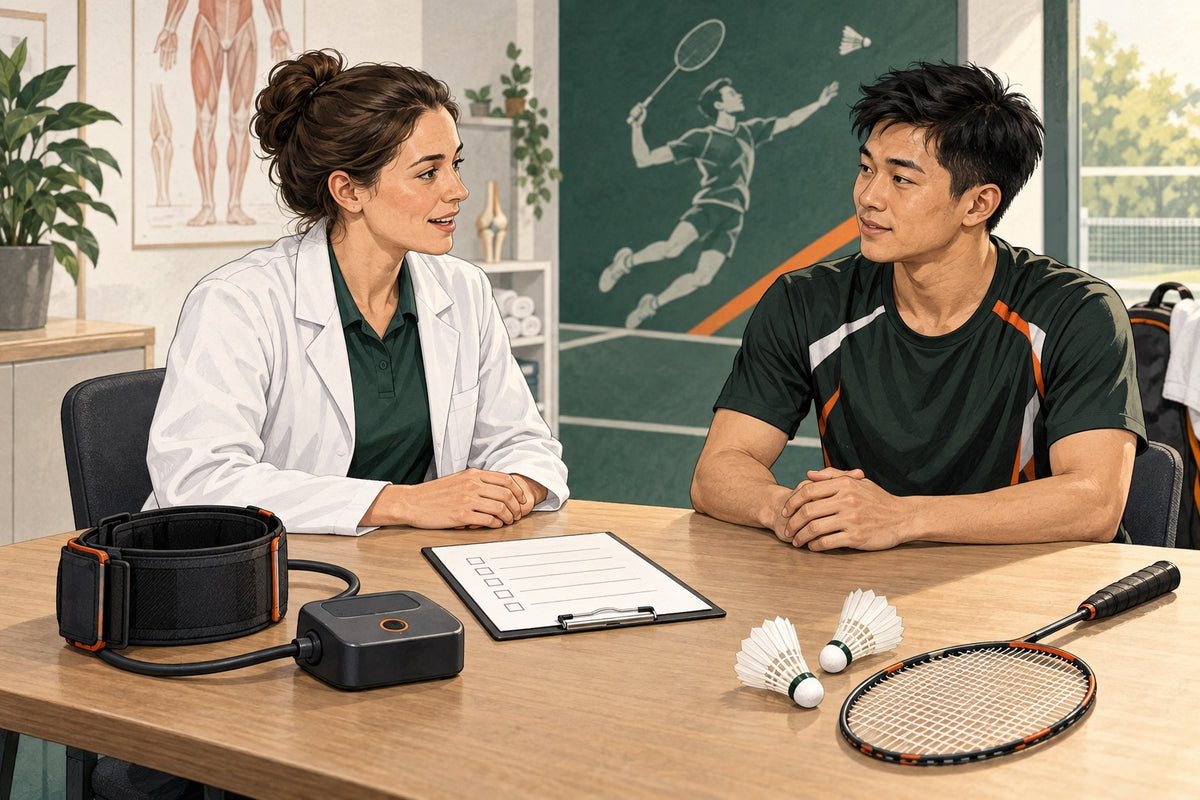
Blood Flow Restriction Training for Badminton Players
Blood flow restriction training can create a strength stimulus with lighter loads, but it is not generally better than heavy training and needs screening, individualized setup, and supervision for ...
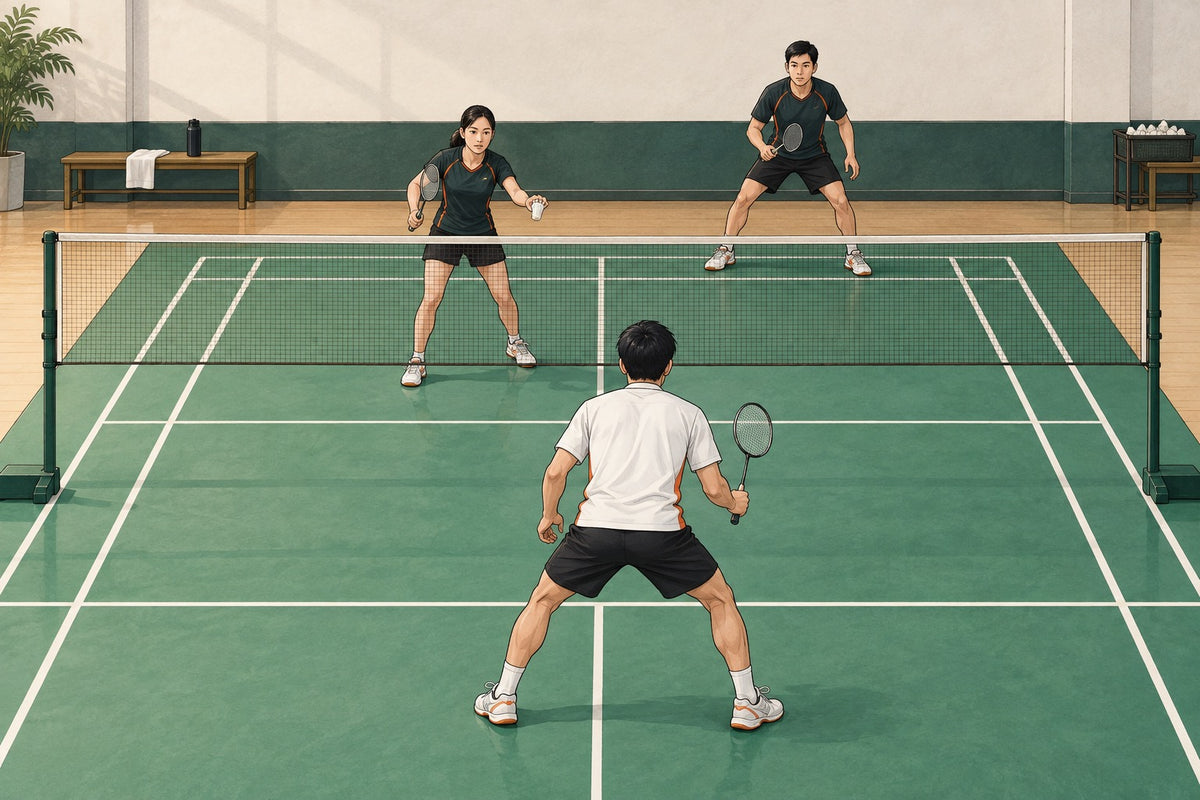
Two Against One Badminton Drill: Setup and Progressions
Run a useful two-against-one badminton drill by fixing roles, space and shot constraints, then increasing uncertainty only while rally quality holds.
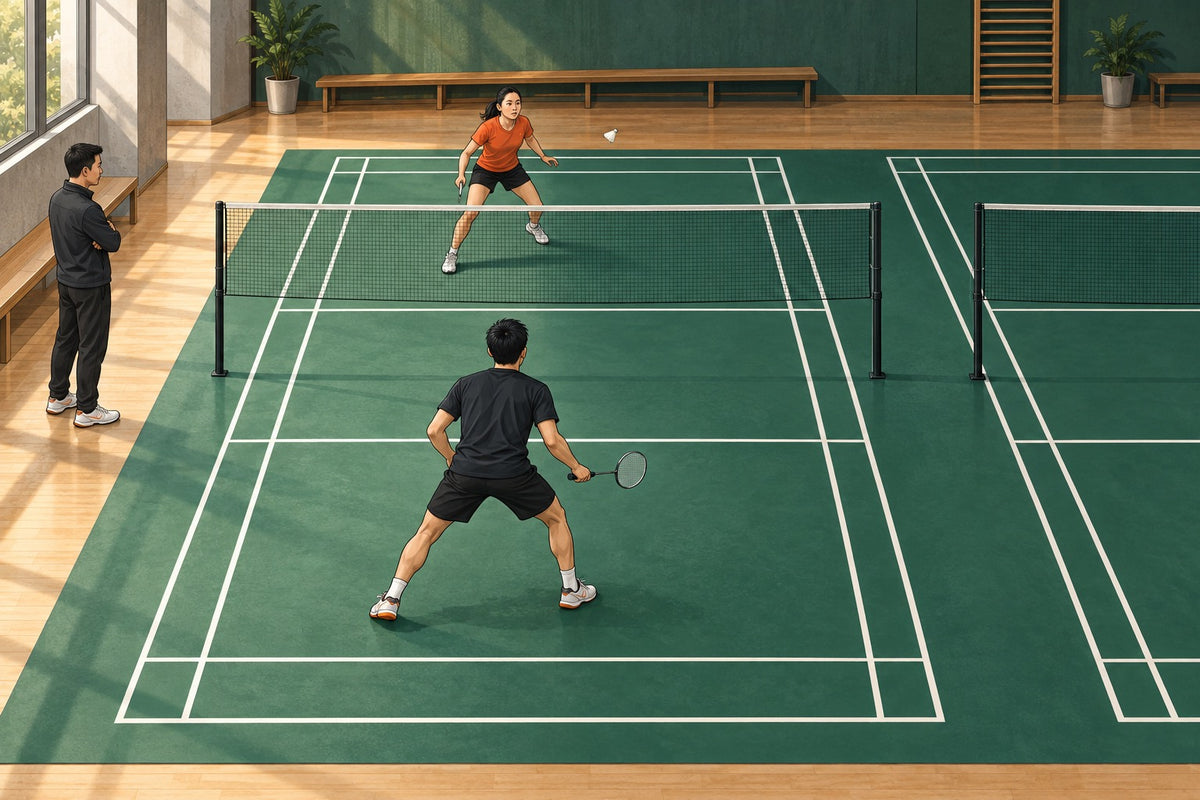
Half-Court Badminton Singles Drills for Better Decisions
Four one-pair half-court singles tasks that progress from a known feed to live choices, then remove the width constraint to check transfer.

Early Specialization in Badminton: What Evidence Says
A parent-and-coach guide to defining early badminton specialization, reading injury and performance evidence, and keeping the decision reversible.
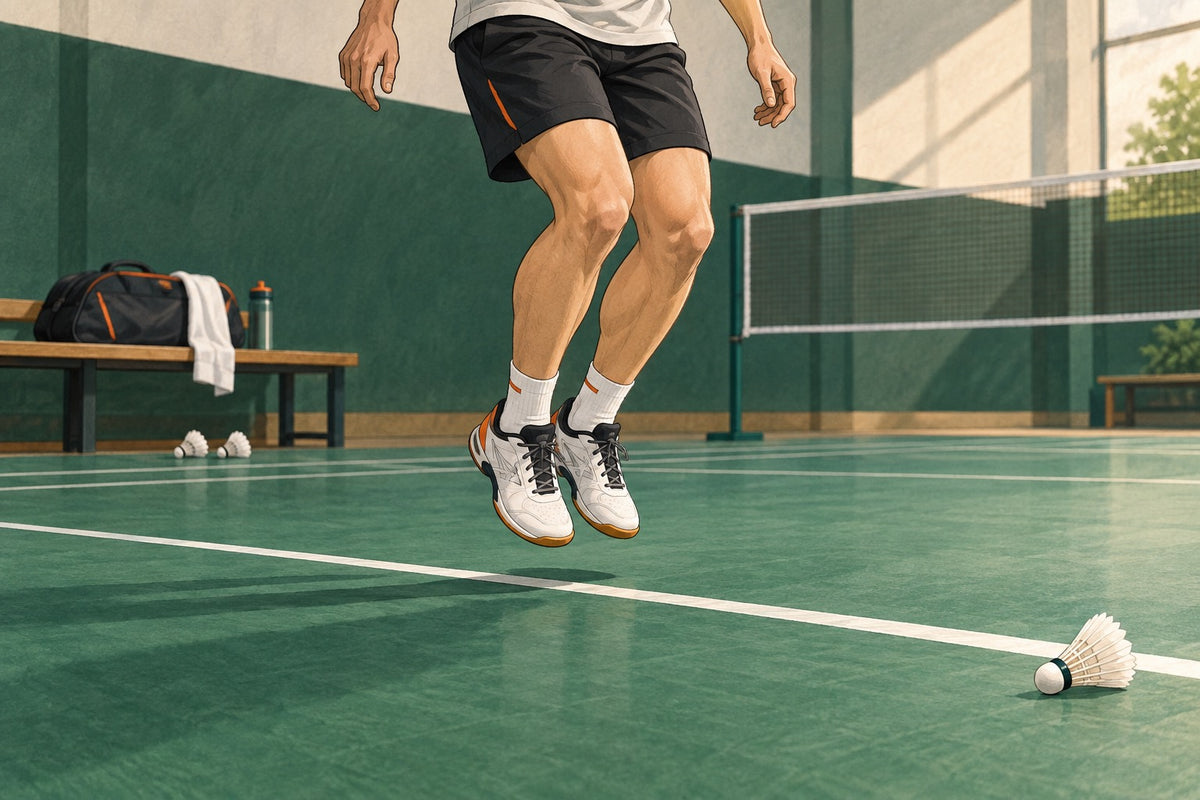
China Step Badminton Drill: 3-Minute Starter Circuit
China step is a multi-pattern standing footwork circuit used in Japanese coaching. Learn six movements in a transparent three-minute starter round.
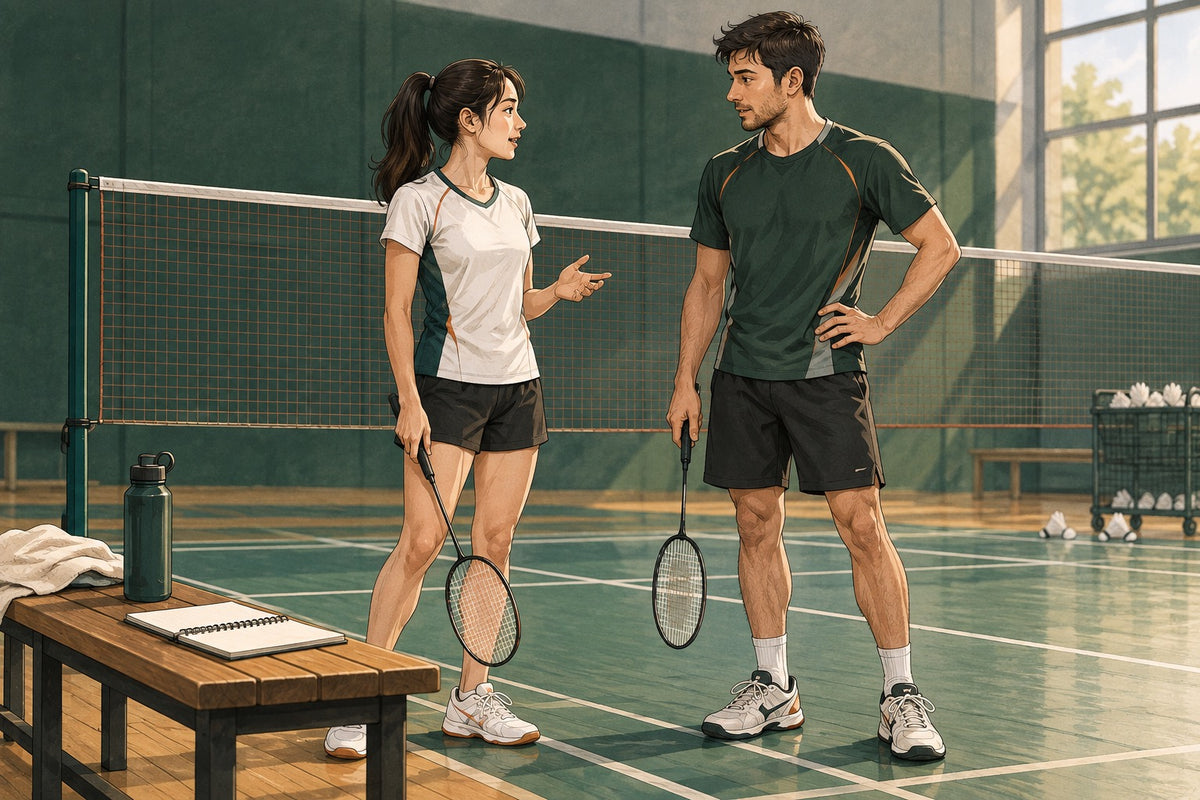
Badminton Practice With a Stronger Partner: Make It Useful for Both
Make an unequal-skill badminton session useful for both players by agreeing one goal, scaling the drill, using parallel roles, and keeping feedback specific.