
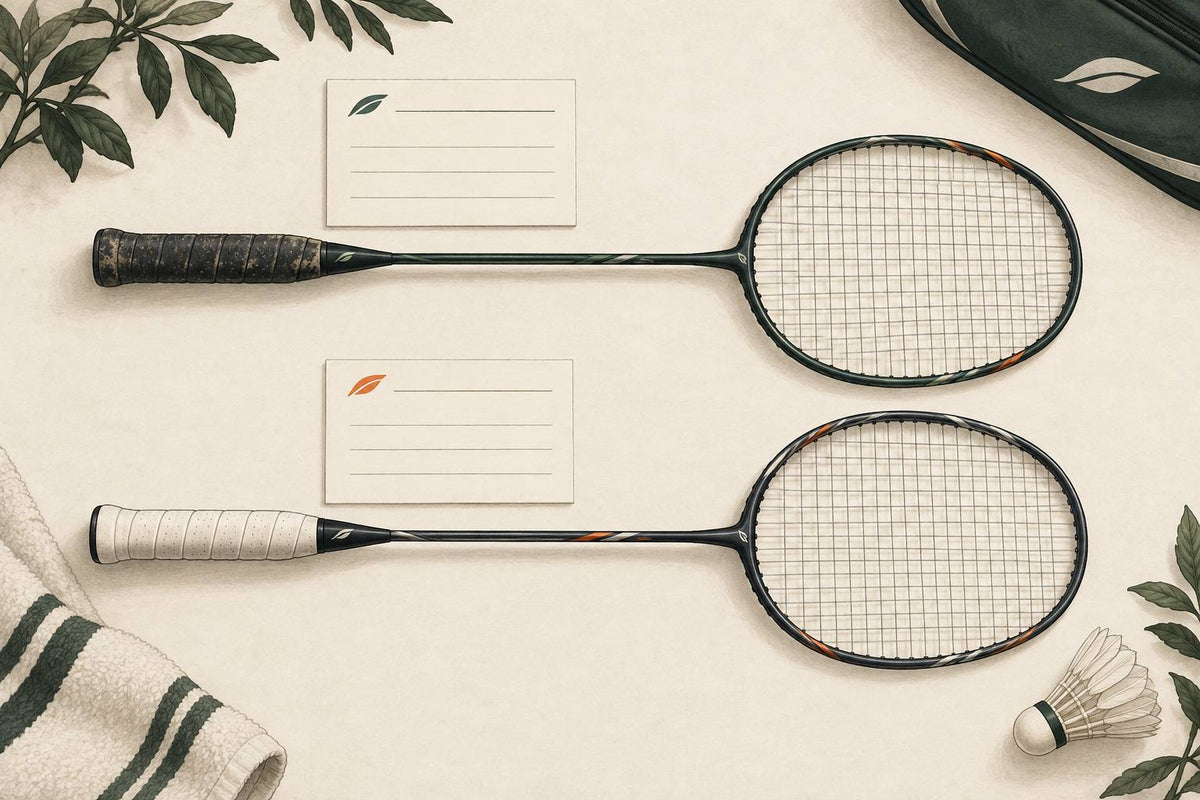
Badminton Racket Shaft Stiffness: Why Brand Labels Differ
Yonex, Victor and Li-Ning each grade badminton racket shaft stiffness on their own word or number scale, and none publishes what a given grade means in physical terms. See what each brand actually ...

Badminton Racket Control Drills for Complete Beginners
BWF's Shuttle Time curriculum and the coaching book Badminton: Steps to Success both teach grip and racket-and-shuttle control before movement or real strokes, with numeric targets like 20 consecut...
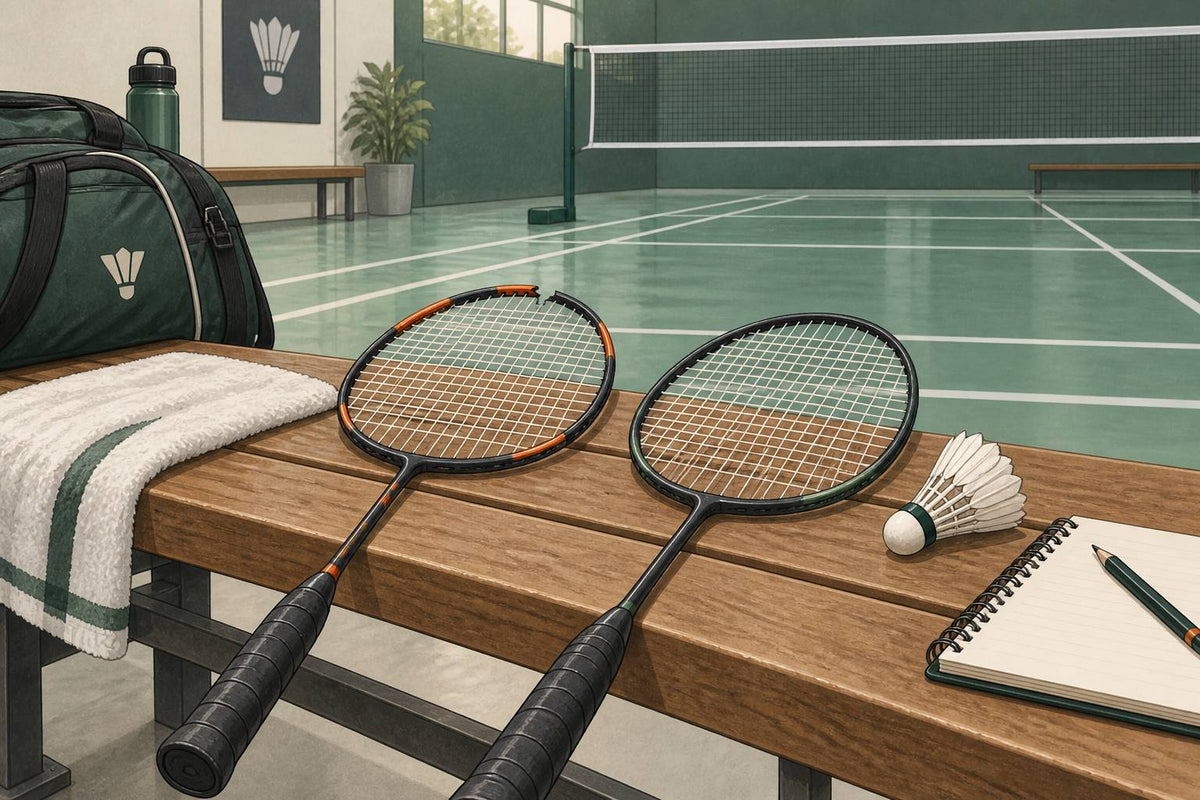
Badminton Racket Clash: Protect Hands and Frames
Doubles racket clashes cluster at the mid-court seam because side by side is the standard defensive shape and attackers are coached to smash straight down that seam. Pre-deciding who owns the middl...
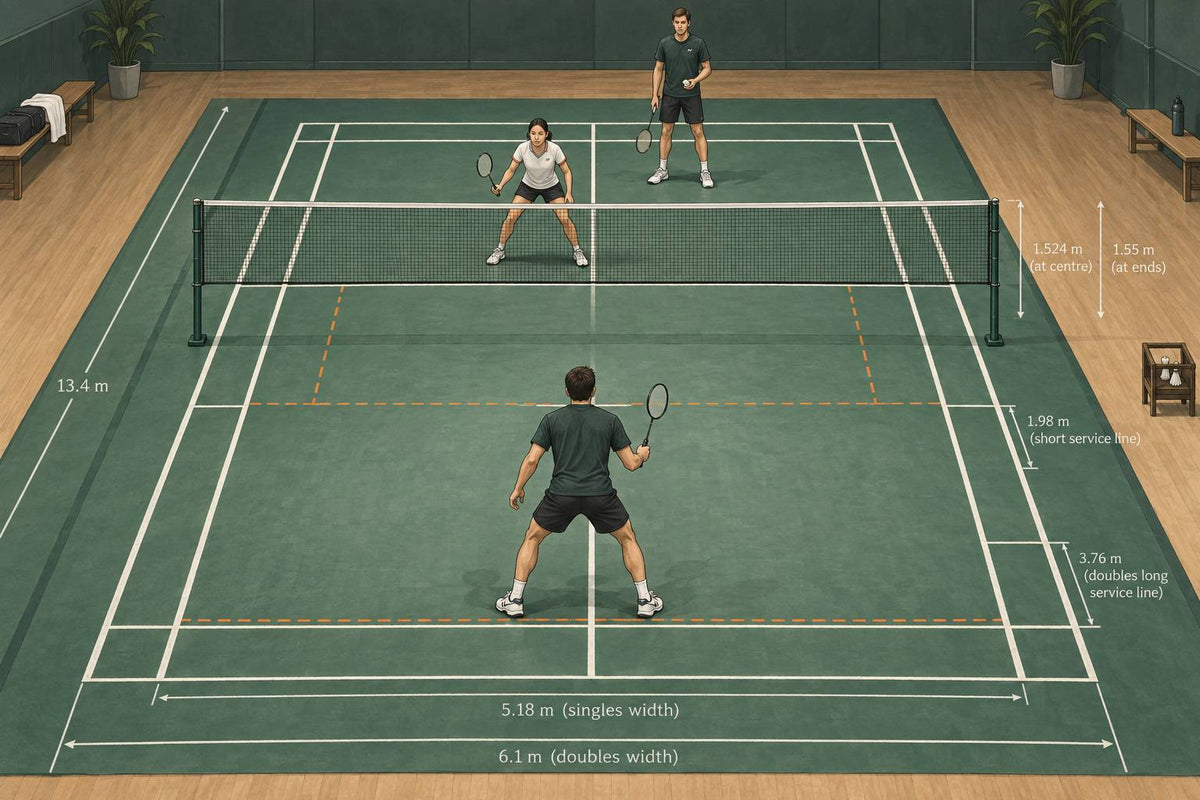
2v1 Badminton Drill: Build Defence With Three Players
A 2v1 badminton drill only trains defence when the single player's job changes zone by zone, the pair attacks with real discipline, and the defending role rotates before contact quality breaks down...
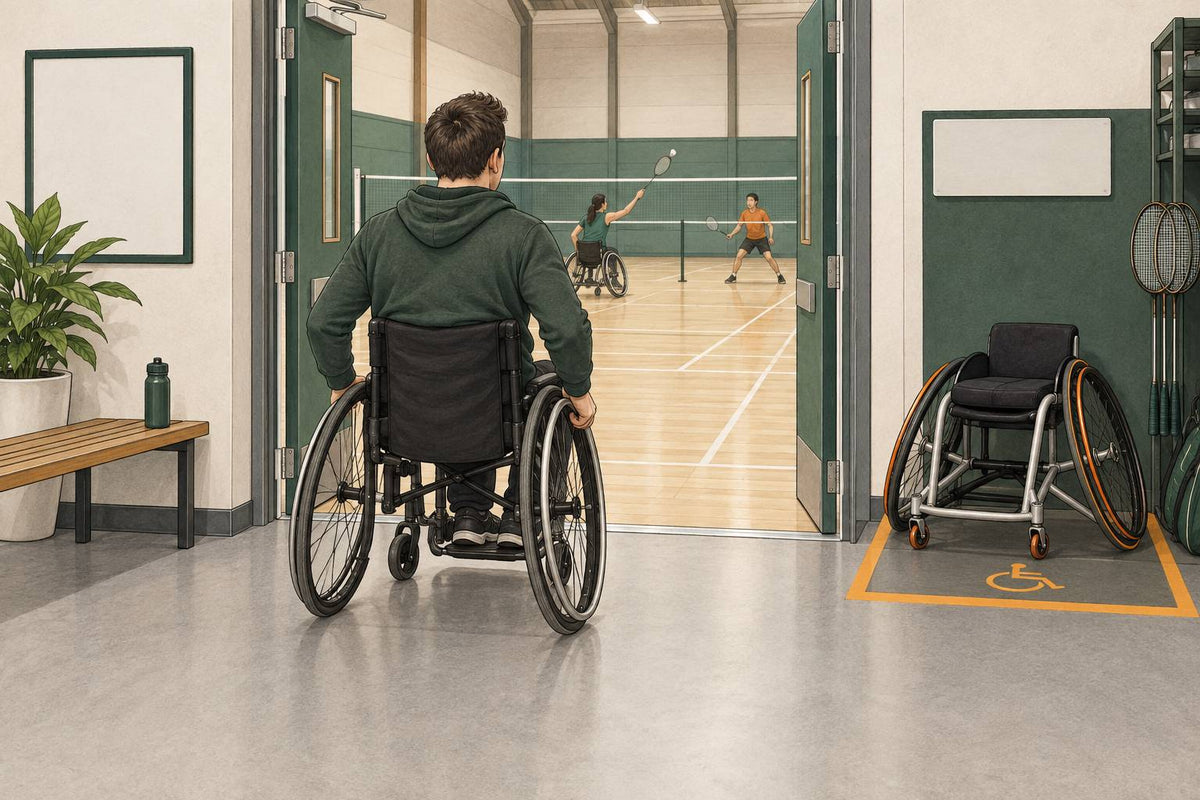
Wheelchair Accessible Badminton Venue: A Club Checklist
A venue can host wheelchair badminton when the whole journey from parking to court is step-free, doors clear a sports wheelchair, the court has clear run-off, and toilets, changing and chair storag...
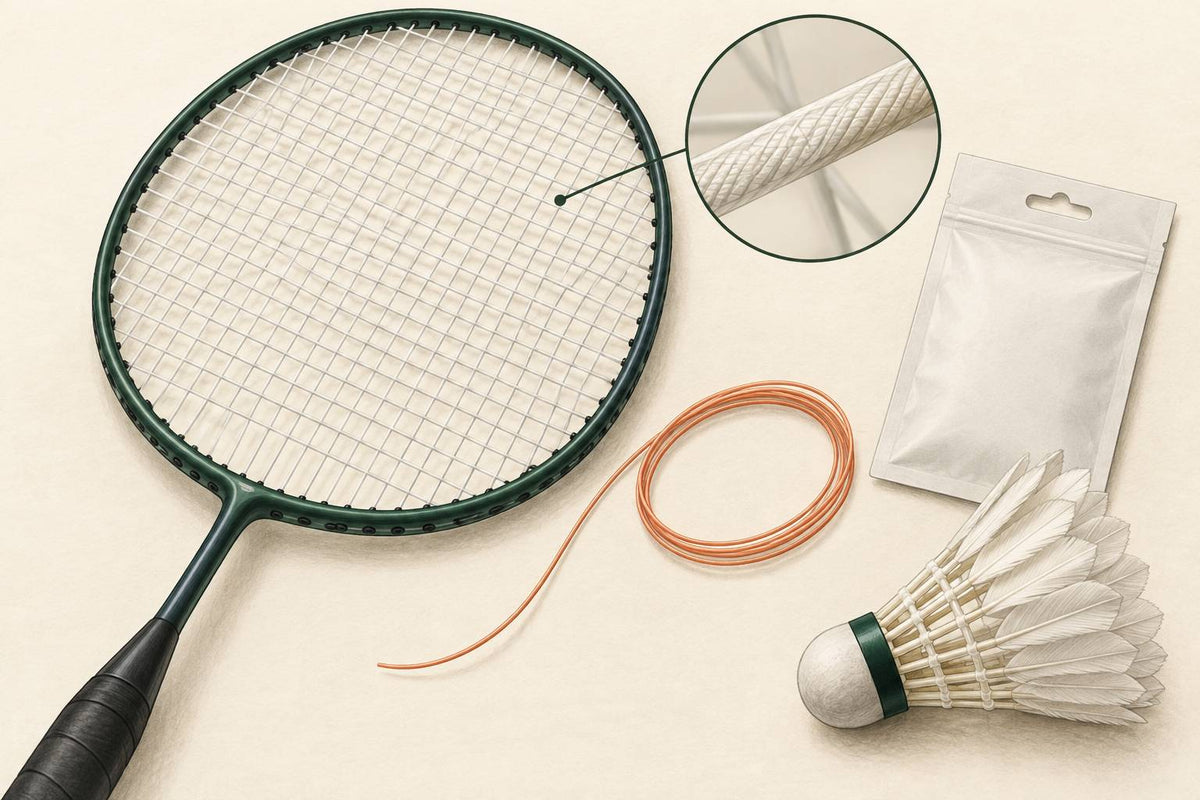
Textured Badminton Strings: Do They Really Add Spin?
Textured strings use surface design to pursue grip and feel; some hybrids coat their mains. Compare the maker’s construction claims with the limited evidence for measured spin gains.

Badminton Skill Levels: A 9-Level Self-Rating Ladder
A nine-level self-rating ladder for badminton skill levels, from first rallies to elite standard, with one pass or fail test per rung, honest rating rules, and level-matched opponents and drills.
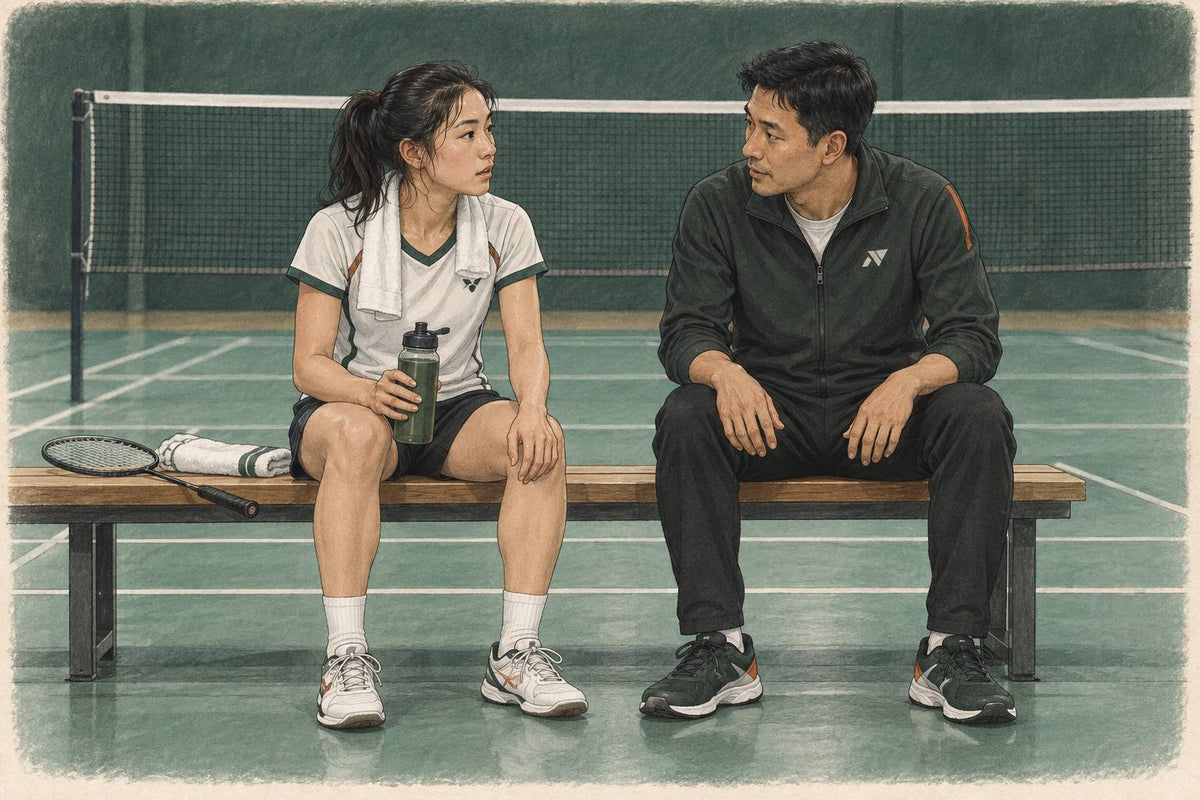
Badminton Interval Rules: What You Can Do in 60 and 120 Seconds
BWF Law 16.2 allows an interval of up to 60 seconds when the leading score reaches 11 in each game and up to 120 seconds between games. Players may towel, drink and receive advice, and up to two ac...
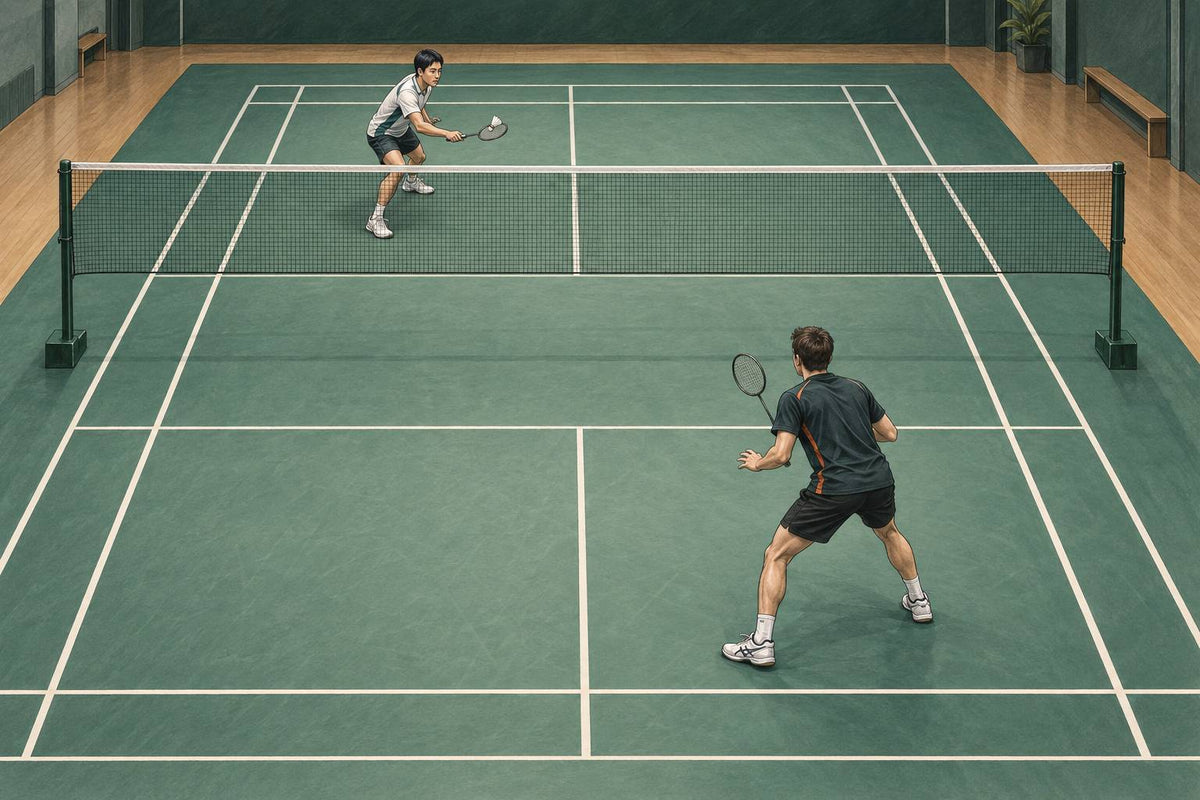
Badminton Base Position: Why the Middle Is Not Always Home
BWF coaching defines the base position as the court position from which you are best able to deal with your opponent's probable replies, and calls it a fluid position rather than a set point. Your ...
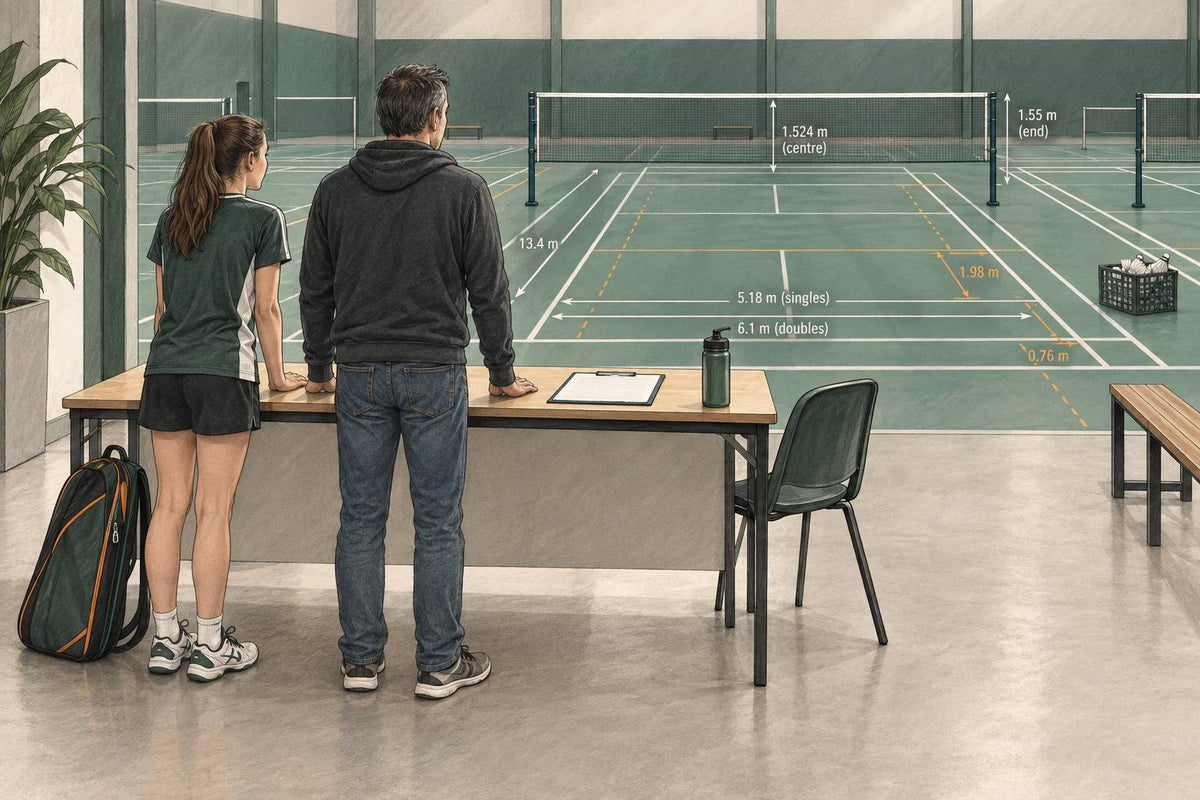
Junior Badminton Tournament Rules: Rest, Curfews, Entries
Badminton Canada sanctioned events give juniors a 30-minute rest floor outside consolation matches, ban calling matches after 10 pm (U13-U17) or 11 pm (U19 and Open), and cap national entries at th...

Hot Shower, Cold Shower or Ice Bath After Badminton
Cold immersion at 11-15°C for about ten minutes eases soreness and restores match-day readiness, yet used after strength work it blunts the gains you trained for. A warm shower before bed helps you...

Glasses for Badminton or Contact Lenses: What Works on Court
Daily disposable soft contacts keep the shuttle in a wide, fog-free field of view for most players. Impact-rated sports frames with an anti-fog routine are the fallback when lenses irritate your eyes.