
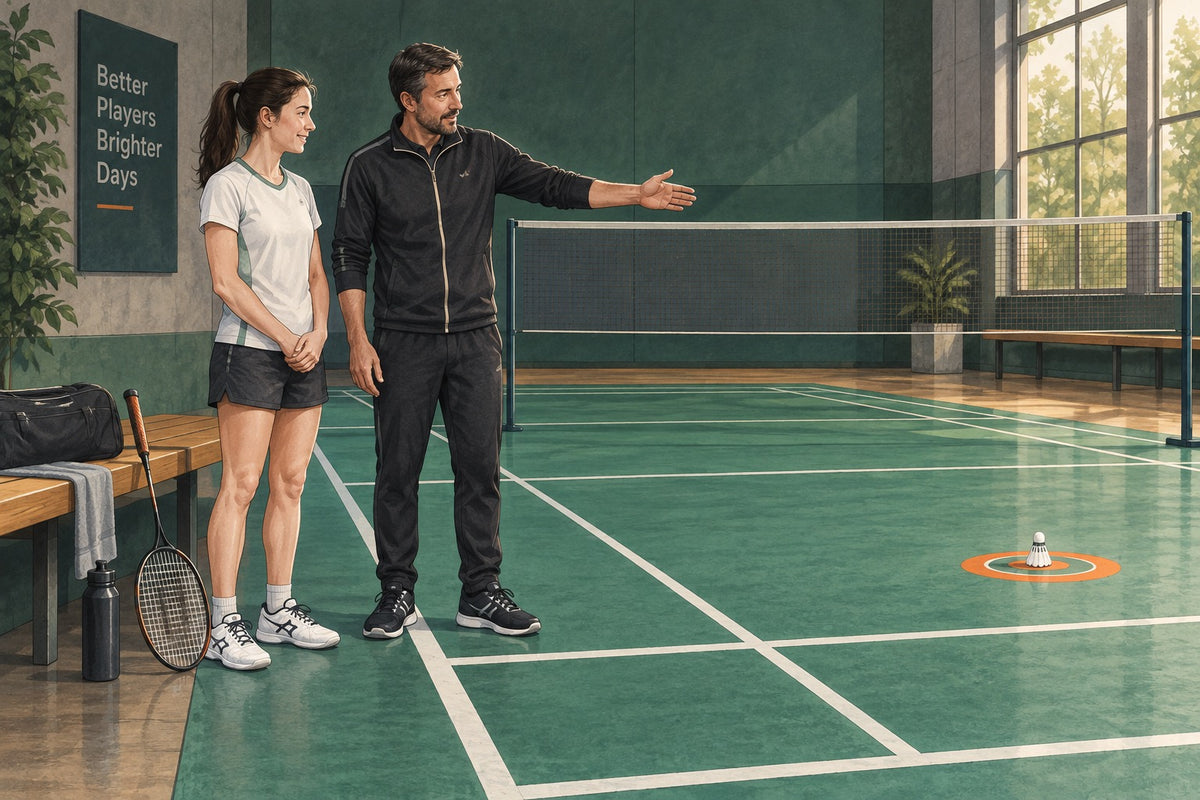
Learning Badminton Strokes: Whole Swing or Broken Into Parts
Choose whole, part or whole–part–whole practice for a badminton stroke, then reconnect the fragment to a full movement and a representative rally.
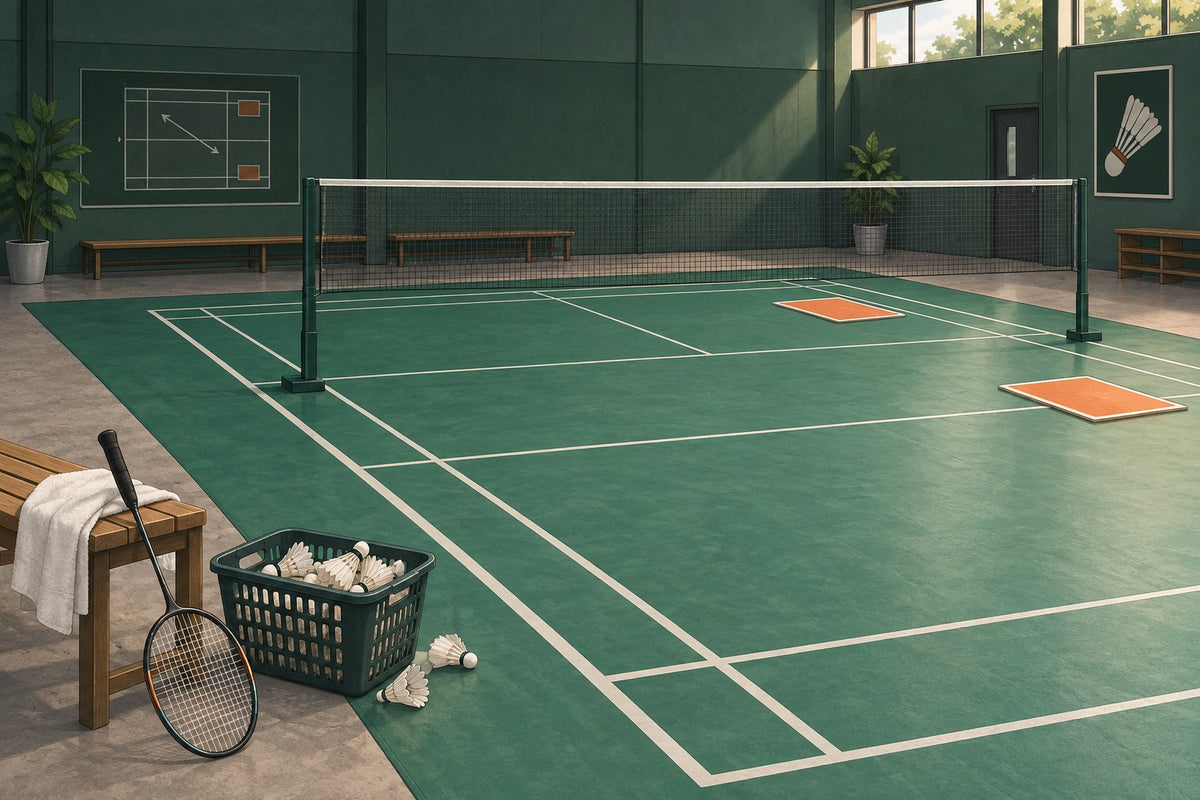
Solo Serve Practice: A 20-Minute Badminton Routine
Build a more repeatable serve with Badminton House's 20-minute, 50-serve solo routine, measurable targets and a four-week practice log.
Badminton Smash Speed: How the Numbers Are Measured
Learn what published badminton smash-speed figures measure, why record numbers are not automatically comparable and how rapid shuttle deceleration changes their meaning.
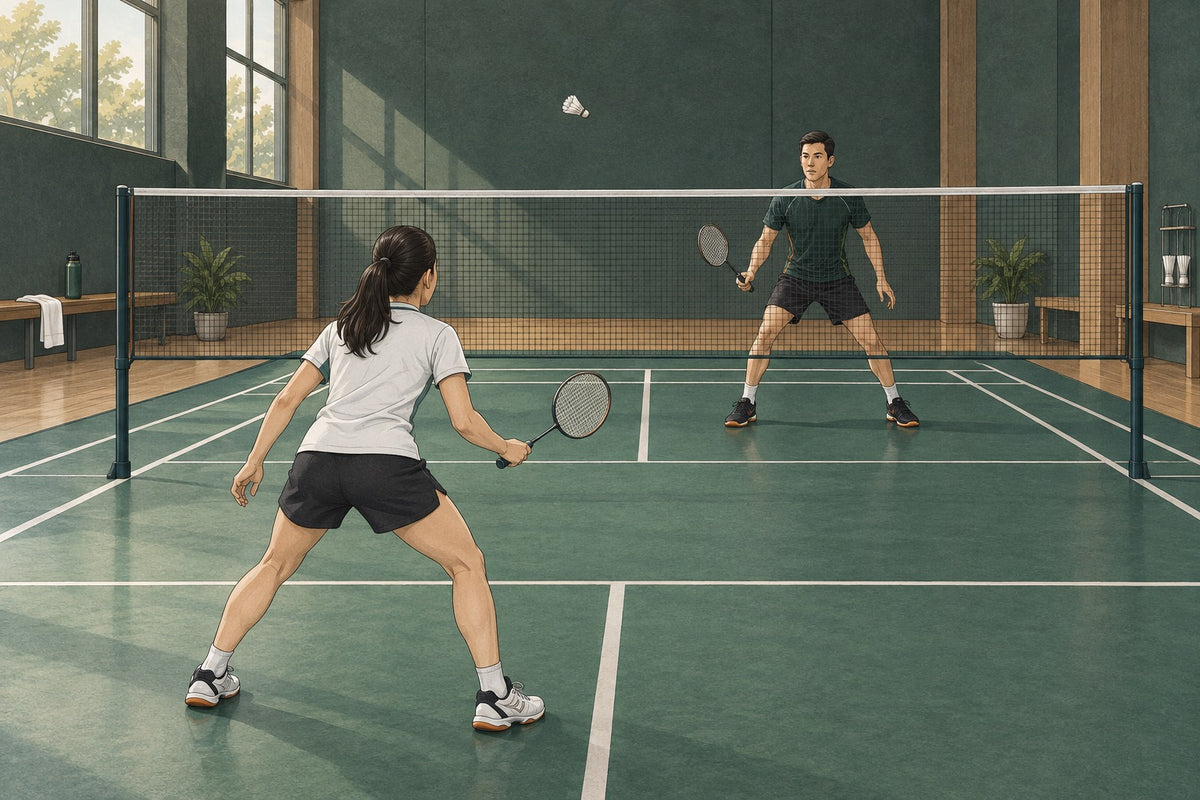
Playing Against a Taller Opponent in Badminton: Tactics
Use observation-led singles tactics to test reach, change direction deliberately and defend actual attacking patterns without height stereotypes.
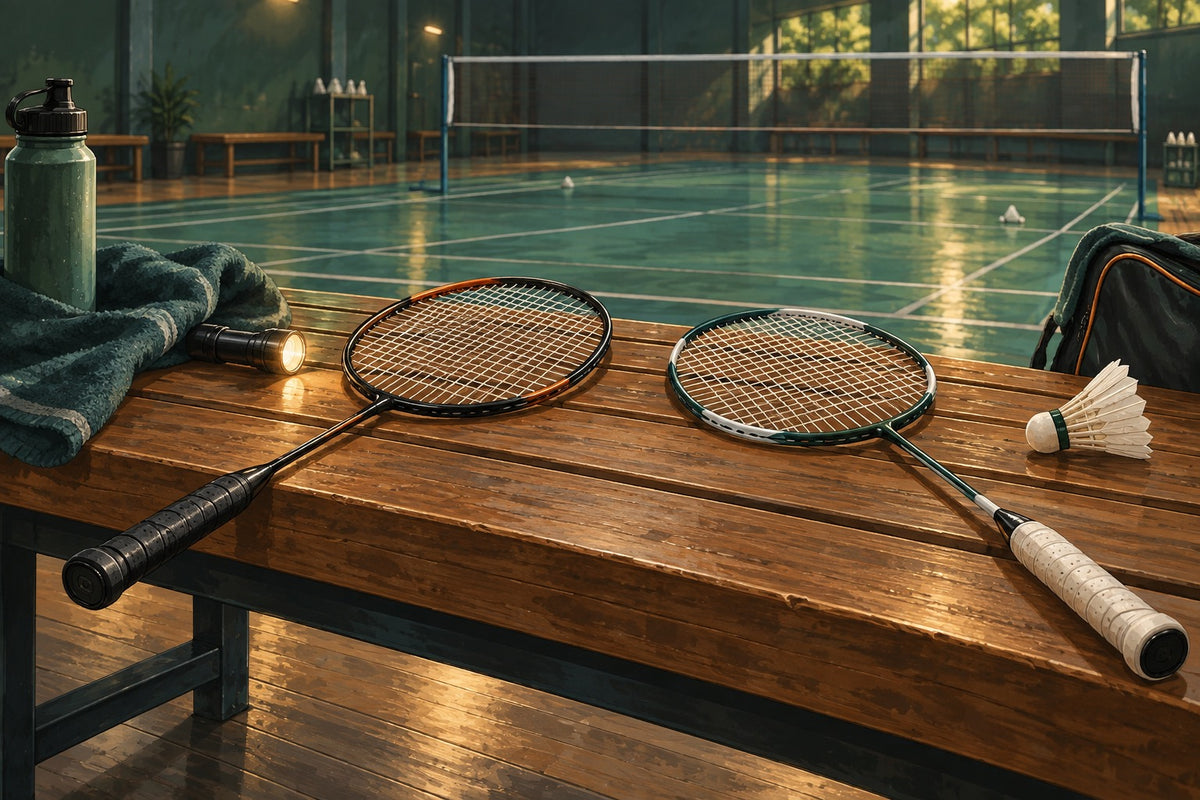
Badminton Racket Clash: Stop Hitting Your Partner
Learn when a doubles racket clash is not itself a fault, how to prevent middle and rotation handover collisions, and how to inspect a racket afterwards.
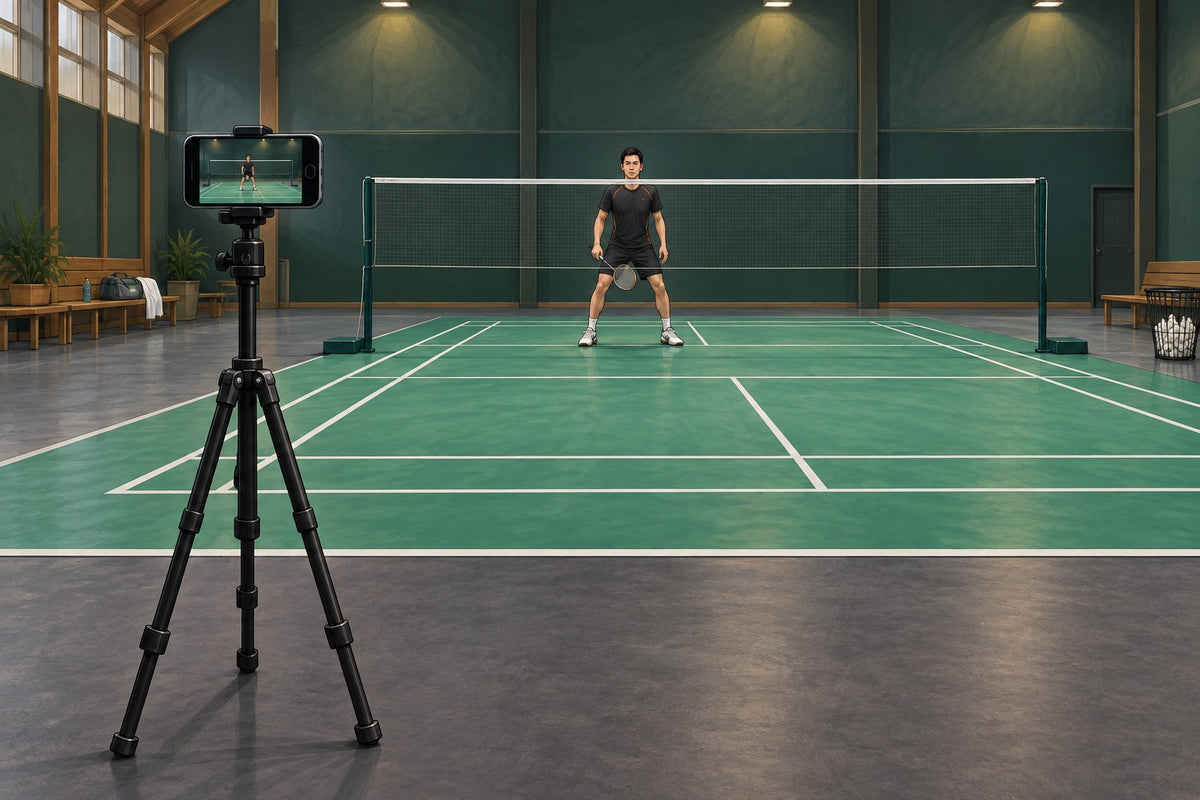
How to Film Badminton Technique: Angles That Show Faults
Match a suspected badminton technique fault to a side-on, rear-oblique or front view, then judge one visible checkpoint without overreading phone video.
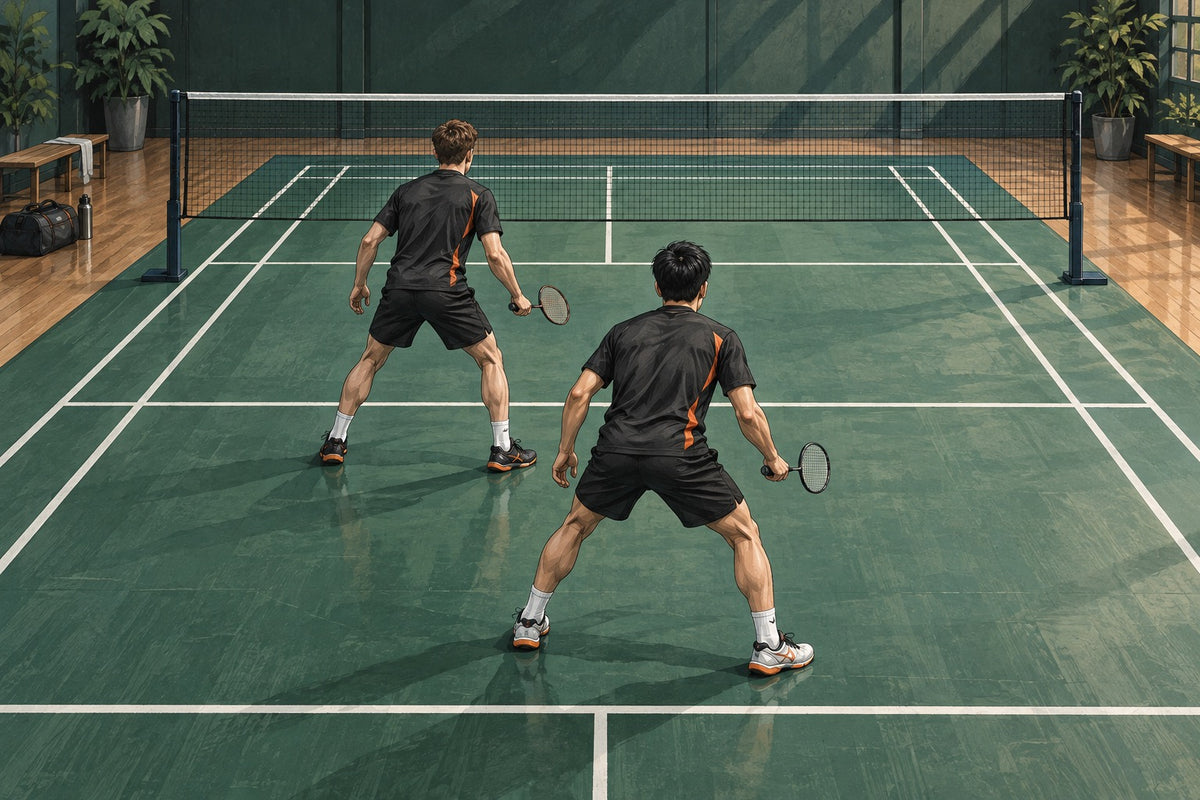
Front or Back Badminton Doubles: Finding Your Role
Compare front- and rear-court doubles tasks, read four rally handoff cues and choose the next skill to train without fixing either partner in one role.
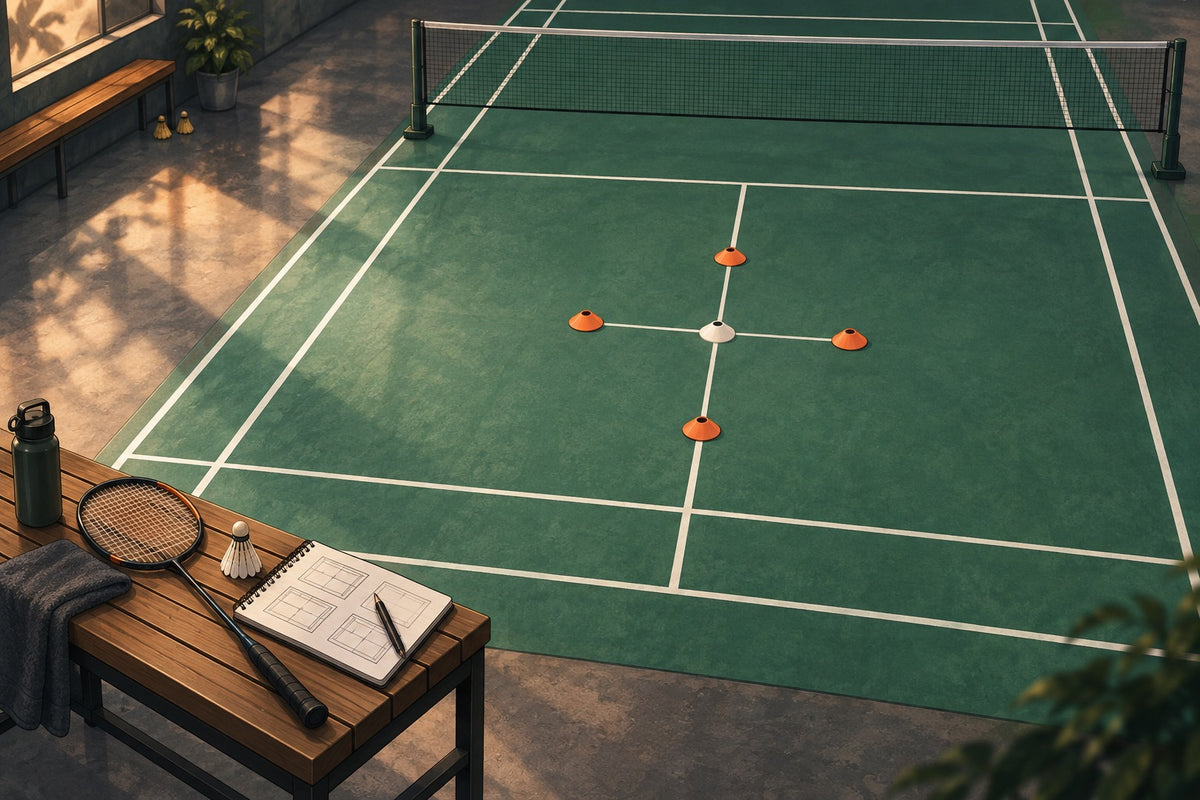
Badminton Movement Patterns: Front, Rear and Side Counts
One small elite men’s singles study counted 114 forward, 109 rearward and 44 sideways movements. Learn what those numbers mean, what they do not prove and how to count your own game.
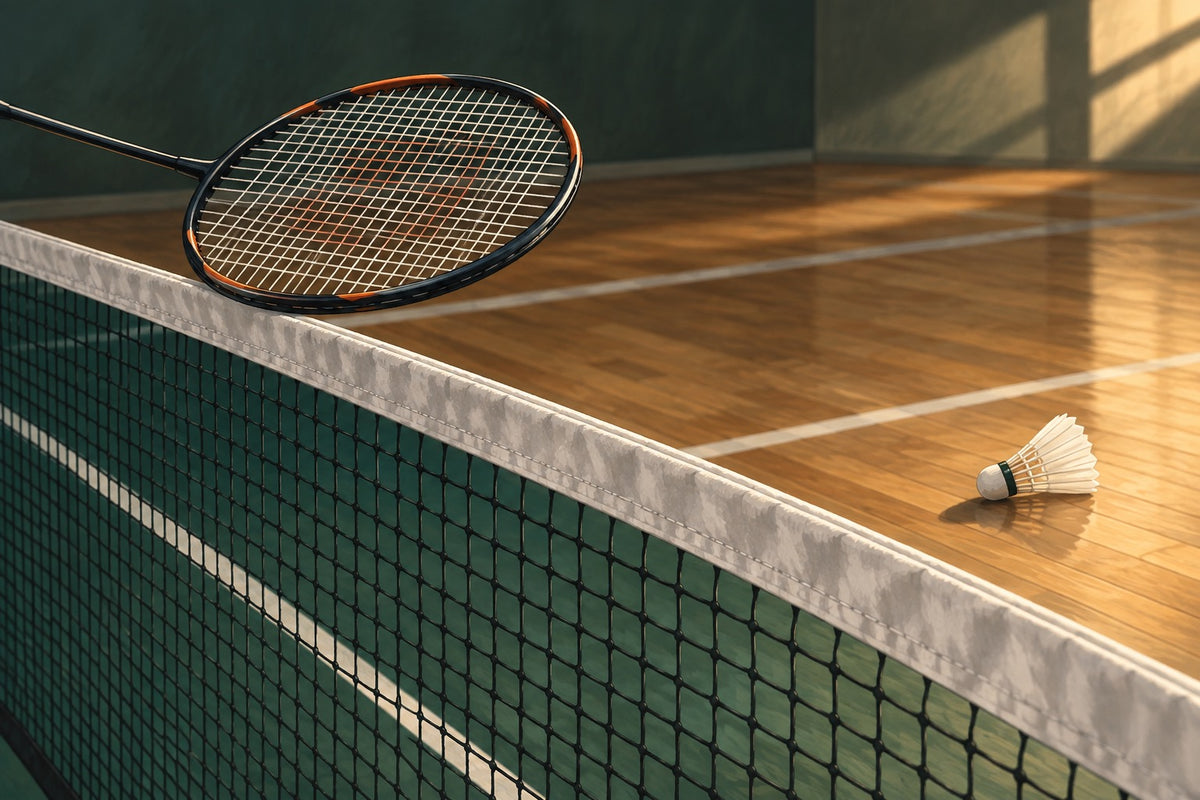
Touching the Net in Badminton: The Rule and the Fault
Use a live-versus-dead shuttle decision tree to judge contact with the net or its supports, then separate follow-through and obstruction.
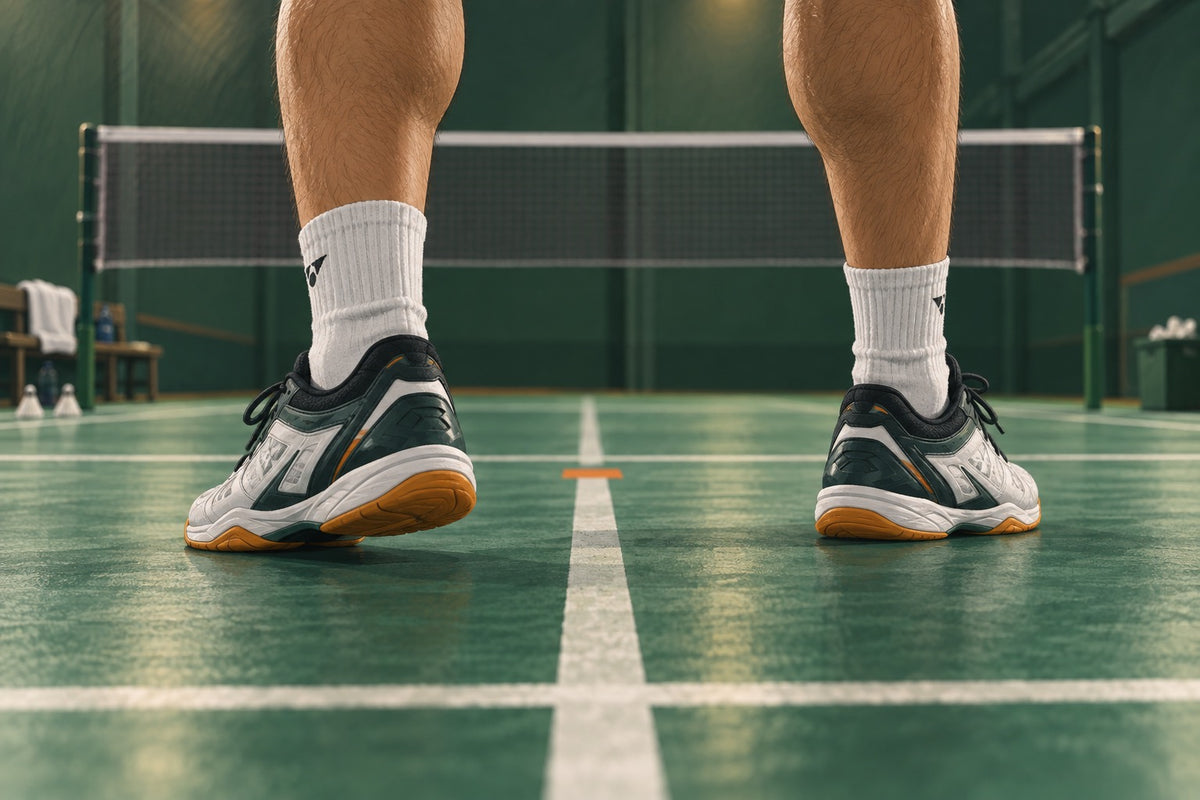
Badminton Split Step Foot Position: Which Foot Lands in Front
Use a four-corner split-step reference to bias the first push while keeping the landing distinct from the later lunge or hitting foot.
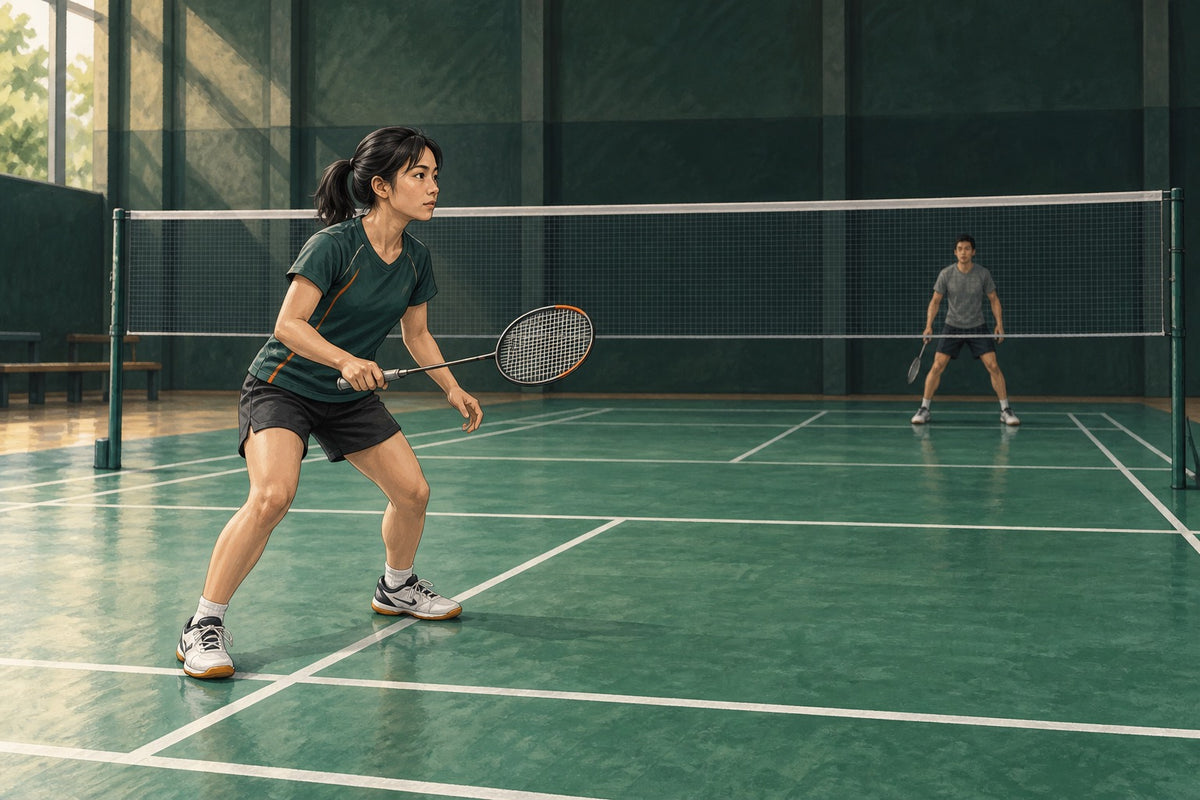
Small Player Badminton Tactics: Winning Without Power
Build a five-principle rally-control game around early contact, efficient geometry, disguise, net pressure and repeatable pace.
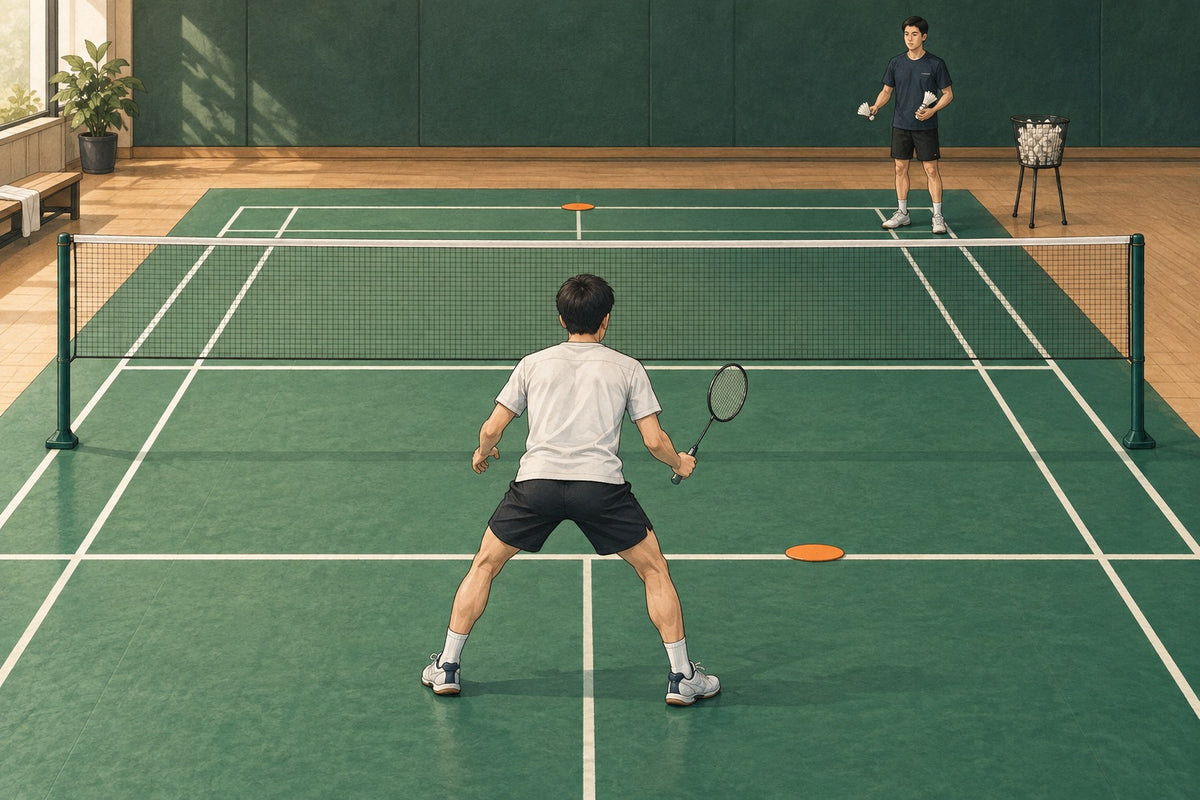
Front and Back Badminton Drill: Four Ways to Progress It
Run one precise half-court front-and-back drill, then progress from shadow movement to a live rear-court choice only while quality remains stable.