
Last updated: July 2026 · Written by the team at Badminton House
Quick Answer: Badminton Finger Power
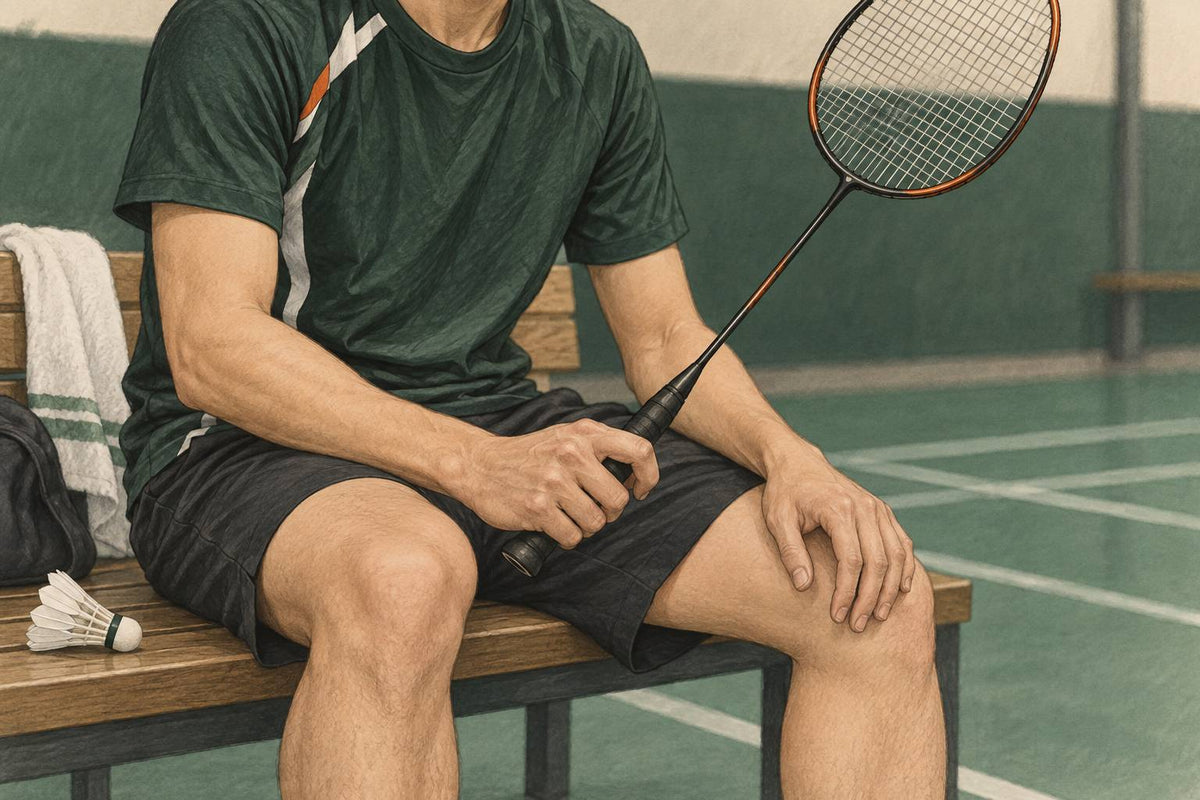
Build finger power around a loose-ready grip: hold in the fingers, rotate the forearm, squeeze at contact, then relax for recovery.
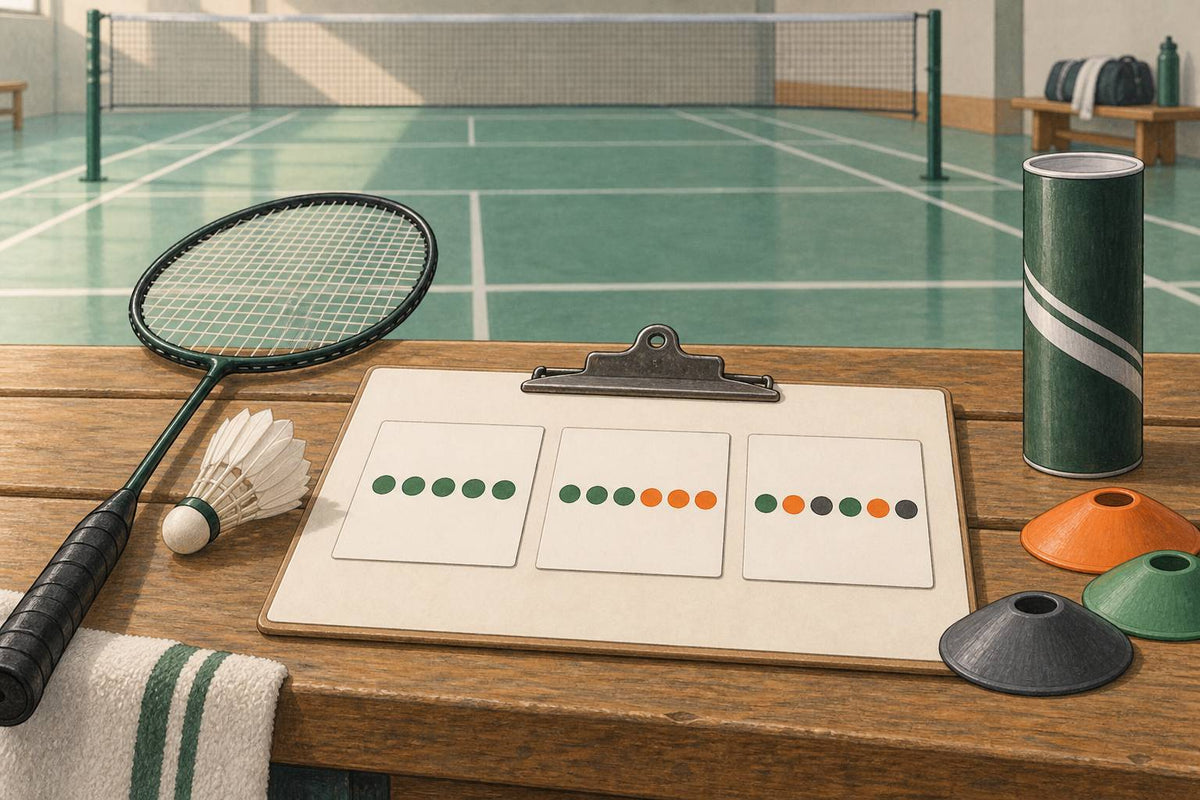
Loose-ready
Best choice: small palm gap, relaxed fingers, brief squeeze at impact; this creates short acceleration without slowing the next shot.
Palm grip
Handle buried in the palm leaves little room for the fingers to squeeze, so acceleration and racket-face control feel late.
Constant squeeze
Holding tight all rally may feel secure, but it reduces touch, slows grip changes, and delays racket recovery.
Badminton finger power usually shows up when your racket feels late: the clear lands short, the backhand block floats, or the drive cannot recover fast enough for the next shuttle. The fix is rarely to squeeze harder. Good finger use starts with the handle sitting in the fingers, not buried in the palm, so the racket can stay loose, rotate with the forearm, and tighten only near contact.
Think of badminton finger power as a small timing system: relaxed preparation, short acceleration through the hitting range, clean contact, then immediate release so the racket is ready again.
In This Guide
Badminton Finger Power Is Grip Timing, Not a Wrist Snap
Badminton finger power starts with changing how you describe power. It is not a vague wrist snap. In most strokes, the bigger speed source is forearm rotation, with power built through sequential joint action; forearm pronation and supination contribute according to the stroke, but this is not an instruction to lock the wrist.
The fingers make that rotation usable. Prepare with the racket sitting loosely in the fingers, not buried tight in the palm. As the racket enters the short hitting range before contact, squeeze briefly with the right fingers to accelerate and stabilize the face. Immediately after contact, relax again so the racket can recover for the next shot.
That relax-squeeze-relax cycle is the practical meaning of badminton finger power. For a deeper breakdown of pressure timing, see Badminton Grip Pressure: Relax, Then Squeeze at Impact.
What Each Finger Does: Thumb, Index, Middle, Ring, and Little Finger

Think of the five fingers as a team with different jobs, not five fingers all squeezing equally.
- Thumb: the key backhand power finger. In a thumb grip, it presses the handle to help accelerate the racket, with the grip and forearm action adjusted to the shot.
- Index finger: the main forehand support and control finger. It helps steer the racket face and adds stability as the forearm pronates.
- Little finger: part of the main holding group, helping keep the handle secure while the grip stays loose enough to release and squeeze.
- Middle and ring fingers: light assistants. They should help the final squeeze, not lock the handle into the palm.
Leave a small palm-to-handle gap so the racket sits in the fingers. That space lets the thumb and index finger adjust racket-face angle and creates room for short acceleration at impact.
Finger Roles by Shot: Forehand, Backhand, Net, Push, and Smash
Use the fingers to finish the stroke, not to replace the stroke. The forearm still supplies the main rotation; the fingers add short acceleration, racket-face control, and fast recovery.
- Forehand: pronation turns the racket through contact, while the index finger supports and steers the face. On a forehand net lift, the index finger does most of the fine lifting action.
- Backhand: supination drives the movement, with thumb pressure adding the decisive push. On a backhand net lift, the thumb is the main power and control finger.
- Net shots, pushes, and slice/spin net shots: keep the arm quiet. The fingers guide the shuttle, change the face angle, and create touch.
- Smash: contact in front of the body, then use thumb pressure and finger force with a small grip rotation to sharpen the hit.
For the rotation side of the same idea, read Badminton Forearm Pronation: Smash Power Guide.
Faults That Block Finger Power and Slow Racket Recovery
Finger power disappears when the handle gets buried in the palm. If there is no small palm-to-handle gap, the fingers have nothing to squeeze in the final hitting range, so the racket accelerates early, slows into contact, and recovers late.
- Death-gripping: clenching through the whole swing kills touch and speed. Relax during preparation, tighten only at contact, then soften again immediately.
- Panhandle grip: facing the strings like a frying pan discourages forearm pronation on forehands, making power and recovery feel forced.
- Slippery or worn grip: if the handle moves in your hand, you will over-squeeze for security instead of using quick finger pressure.
The fix is a light finger grip that can switch cleanly between forehand and backhand faces. If that change feels slow, work through forehand-to-backhand grip switching before chasing harder shots.
Which Finger Cue Should You Choose?
Choose the cue that matches the shot problem you are solving, not the finger you want to force. Finger power works best when the racket stays in the fingers, the grip relaxes before contact, and the squeeze happens only in the hitting moment.
| Choice | Best fit | Use this cue |
|---|---|---|
| Forehand | When the racket face opens late or your stroke feels pushed. | Index steers; forearm accelerates. |
| Backhand | When clears, drives, or lifts lack snap from the thumb side. | Thumb presses; forearm turns. |
| Net and push | When you need touch, angle changes, or quick forehand-backhand switching. | Stay loose; guide with fingers. |
| Smash | When power disappears because you grip hard too early or contact behind the body. | Relax, squeeze, recover. |
Get 10% off your first order
Join the Badminton House list and we’ll email you a 10% welcome code — plus training guides, technique advice, and badminton updates.
By subscribing, you agree to receive Badminton House emails and can unsubscribe anytime.
If finger power still feels mysterious, keep it simple: hold the racket in the fingers, stay relaxed until contact, then recover the grip immediately. We play badminton and are happy to help you sanity-check grip feel, racket balance, or setup questions — contact us anytime.
Need a racket that lets your fingers work freely?
Browse badminton rackets and check live availability before choosing your next setup.
Shop Badminton RacketsChoose by weight, balance, flex, and grip feel.

Leave a comment
This site is protected by hCaptcha and the hCaptcha Privacy Policy and Terms of Service apply.