
Last updated: July 2026 · Written by the team at Badminton House
Quick Answer: Playing a Slow Shuttle
Assume the rally needs one extra shot: build with angle and placement instead of forcing pace.
Patient build
Default: Attack steeply, recover, and expect the first smash to create rather than finish.
Net pressure
Take loose replies early; play tight or tumble only when close enough.
Safe reset
Under pressure, play high and deep, regain your base, and wait.
Your smash comes back. Your clear falls short. Even a clean attacking sequence turns into another six shots because the shuttle loses pace before it reaches the floor. When a slow shuttle changes the court this way, trying to hit harder usually makes your timing, accuracy, and recovery worse—not the shuttle meaningfully more dangerous.
The useful adjustment is tactical: accept that one-shot winners will be rarer and start judging success by the reply you create. Test the flight early, then build rallies around controlled pressure rather than raw speed. This guide explains how to identify slow conditions quickly, choose shots that remain effective, move economically through longer exchanges, and avoid the power-chasing errors that turn a manageable adjustment into a frustrating match.
In This Guide
How to Recognize a Slow Shuttle Within Three Rallies
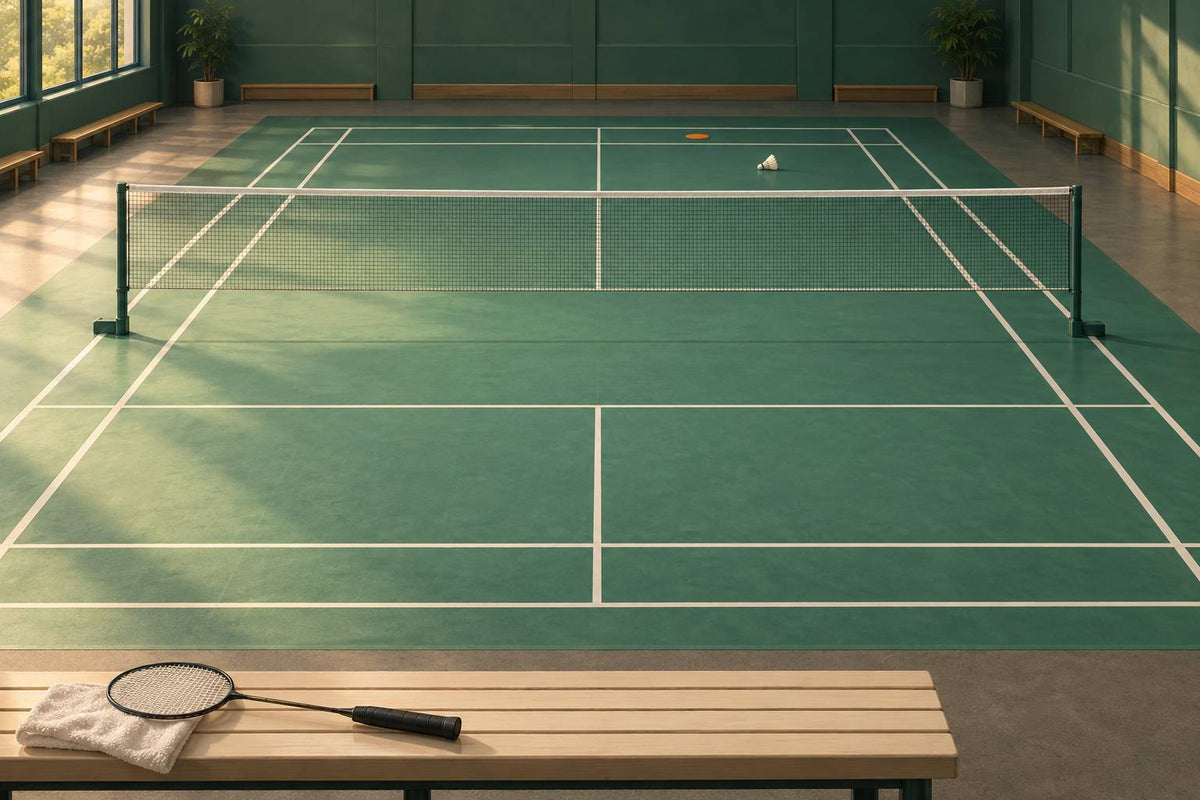
Start with the speed test during the knock-up. Stand so you contact the shuttle over the back boundary line, then use a full underhand stroke directed upward and parallel to the sidelines. A correctly paced shuttle should land 530–990 mm short of the opposite back boundary. Many courts mark this area with two small notches near the rear. If the shuttle lands before that zone, it is slow.

Confirm the result with normal shots. During the opening three rallies, play a familiar full clear and judge the outcome rather than the effort. If sound, centred contact repeatedly produces less length than expected—and ordinary attacks consistently give the opponent extra time—the shuttle is behaving slowly. One short clear or returned smash is not enough: it could be late contact, an accidental slice, or poor balance. Look for the same loss of travel across several clean strokes, then adjust your tactics instead of chasing more power.
Replace Raw Pace With Angle, Net Pressure, and Patience
When pace no longer finishes the rally, make the defender contact lower. Use a steeper smash, then follow the attack forward for the blocked reply. A shuttle taken below net height is harder to counter-attack than one met flat in front of the body. Avoid depending on flat smashes or speculative cross-court winners; the latter can open better counter-attacking angles unless your opponent is already displaced. See the mechanics behind this choice in Why a Steeper Smash Beats a Harder Smash.

At the front, favour tight drops and take net shots as high as possible. Tumble is valuable when you are close enough to add spin without lifting the shuttle, but it carries an accuracy trade-off and loses much of its benefit from deeper positions. Use the safer push or lift when arriving late; the net-shot technique guide explains that decision. Between attacking chances, use calibrated deep lifts and clears to reset the rally, move the opponent fully rearward, and wait for a genuinely weak reply.
Adjust Your Footwork, Breathing, and Shot Economy
A slow shuttle makes extra movement expensive because more shots come back. Prioritize a timely split step, then travel smoothly rather than running heavily or adding several hurried steps. Stay balanced through each corner and recover to a useful base—the centre of the area you need to cover—with as few steps as the situation allows.
Avoid treating every overhead as the rally’s final shot. A clear, drop, or controlled attack can be a building shot that creates the weaker reply you actually want.
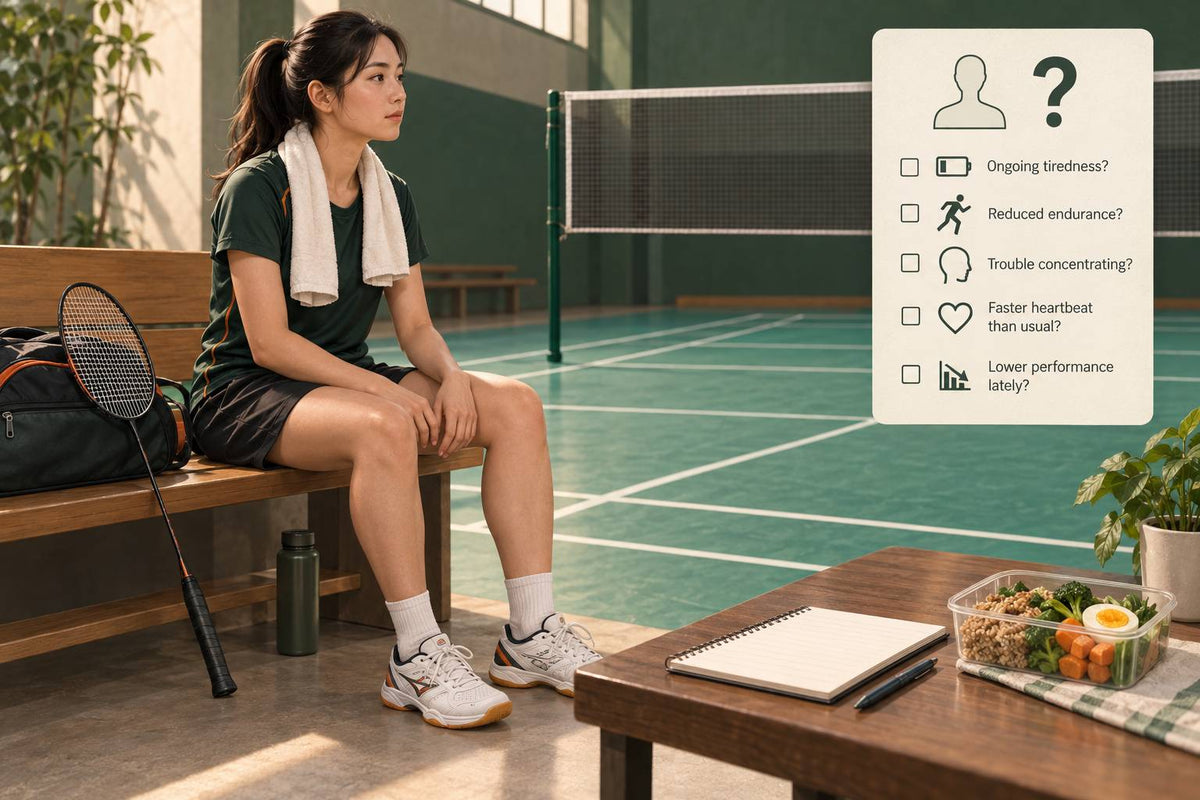
After an extended rally, reset your stance before the next point. Fatigue can shorten the following rally through poor movement or an unforced error, so the next point deserves a composed start rather than an immediate gamble. For a closer look at late split steps, heavy movement, and recovery errors, read the badminton footwork fatigue breakdown.
Avoid Swinging Harder and Over-Clearing
A slow shuttle can tempt you to muscle every overhead. Resist that response. Smash speed depends on coordinated body sequencing, racket-head speed, timing, and efficient contact—not indiscriminate arm effort. Forcing the swing can reduce consistency, and the extra effort may send an attack long without making it meaningfully harder to return. If your technique loses shape, review how the segments work together in the badminton kinetic chain.
Length shots need a different adjustment. Clears and lifts may require more work, but do not automatically hit every one at maximum power. Use the opening rallies to recalibrate your depth, then add only enough pace and height to reach the rear court. Keep a safe margin inside the back line until your judgement settles. The goal is to correct a short clear—not replace it with an avoidable long error.
Need fresh shuttles? Check live availability.
Which Adjustment Should You Choose?
Choose from the position you have earned, not from a fixed plan. The slow shuttle gives defenders more reaction time, so the best response depends on your contact point and their court position.
| Choice | Choose this when… |
|---|---|
| Angle | You contact high and the defenders are balanced. A steep smash forces contact farther below net height; avoid the cross-court version unless they are displaced. |
| Net pressure | You reach the shuttle close to the net and high enough to slice accurately. If contact is late or low, choose a safer push, cross or lift. |
| Patience | Neither attack is available. Use clears and drops to create a weak reply rather than rushing the finish. |
Get 10% off your first order
Join the Badminton House list and we’ll email you a 10% welcome code — plus training guides, technique advice, and badminton updates.
By subscribing, you agree to receive Badminton House emails and can unsubscribe anytime.
When a slow shuttle makes the smash stop winning outright, trust judgement before force: use steeper angles, create net pressure, and accept the longer rally until a genuinely weak reply appears. We play badminton and can help you interpret how your technique, tactics, and court conditions interact; send us your situation through our contact page for specific, player-to-player advice.
Need shuttles for your next session? Check live availability without changing the tactical lesson: adapt your game to the shuttle in front of you.
Check Live Shuttle Availability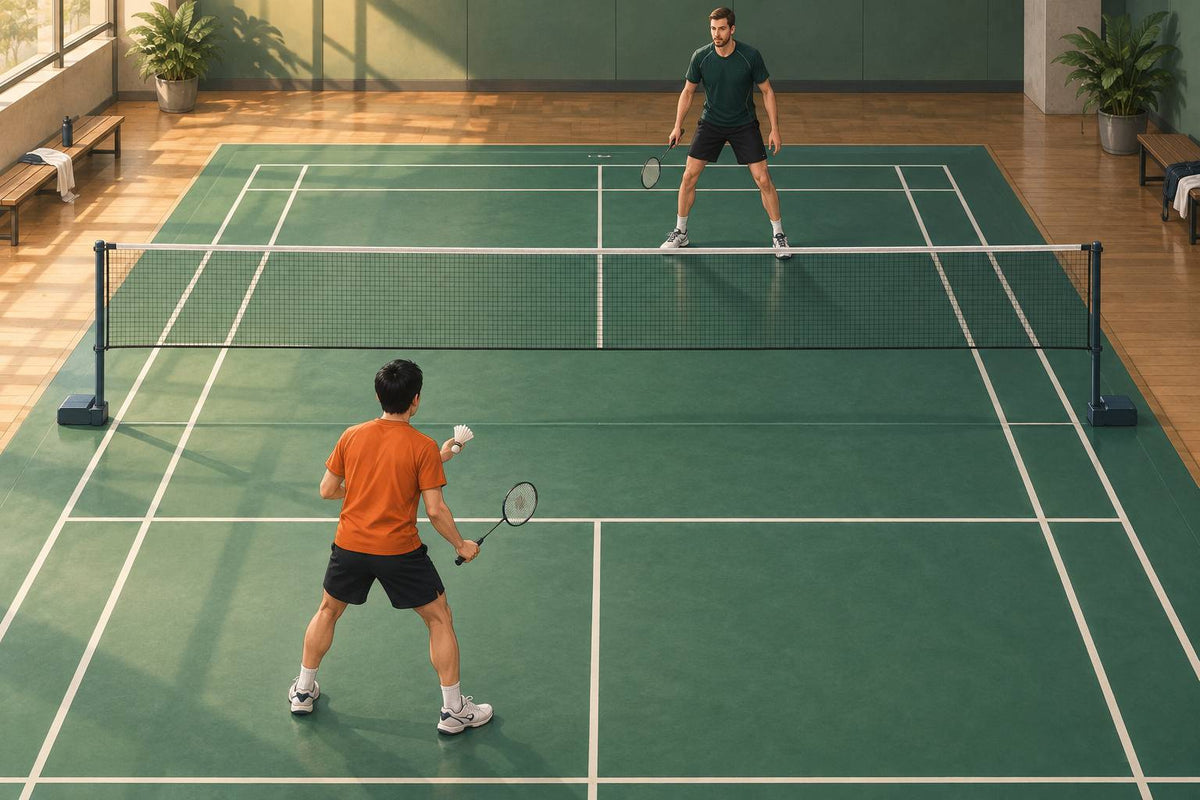

Leave a comment
This site is protected by hCaptcha and the hCaptcha Privacy Policy and Terms of Service apply.