
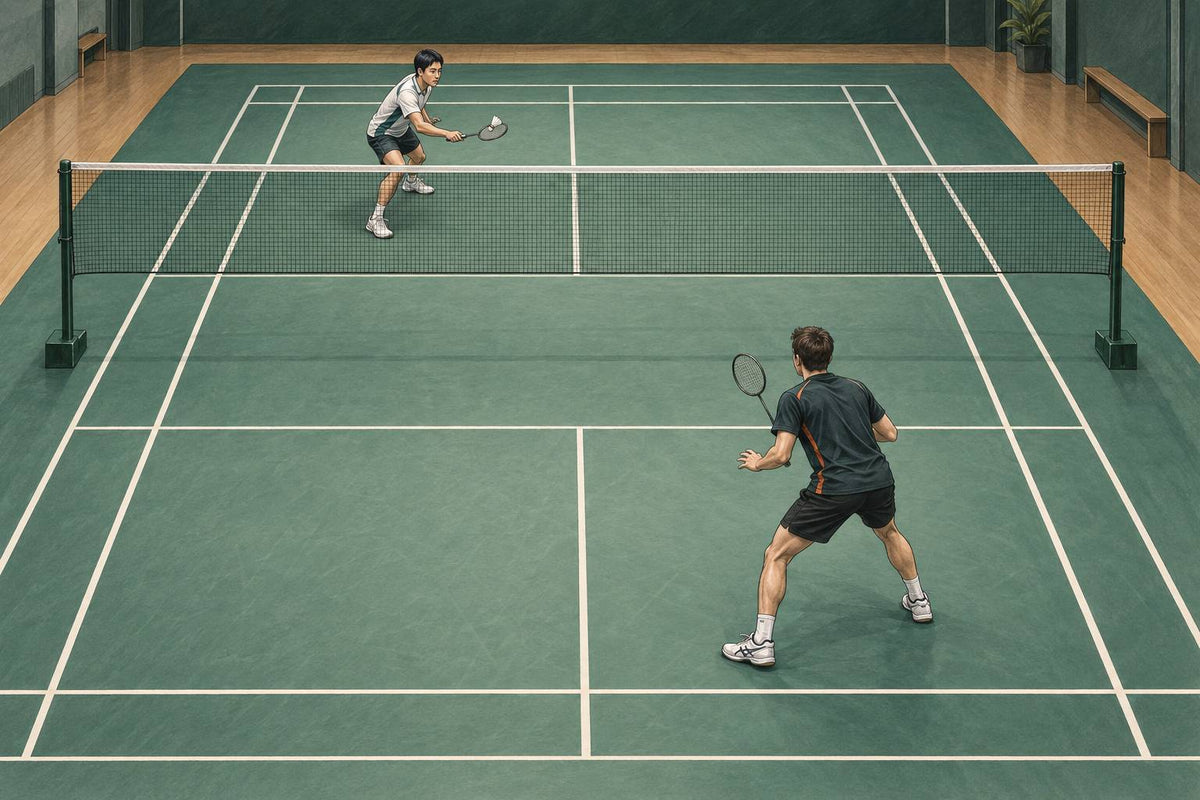
Badminton Base Position: Why the Middle Is Not Always Home
BWF coaching defines the base position as the court position from which you are best able to deal with your opponent's probable replies, and calls it a fluid position rather than a set point. Your ...
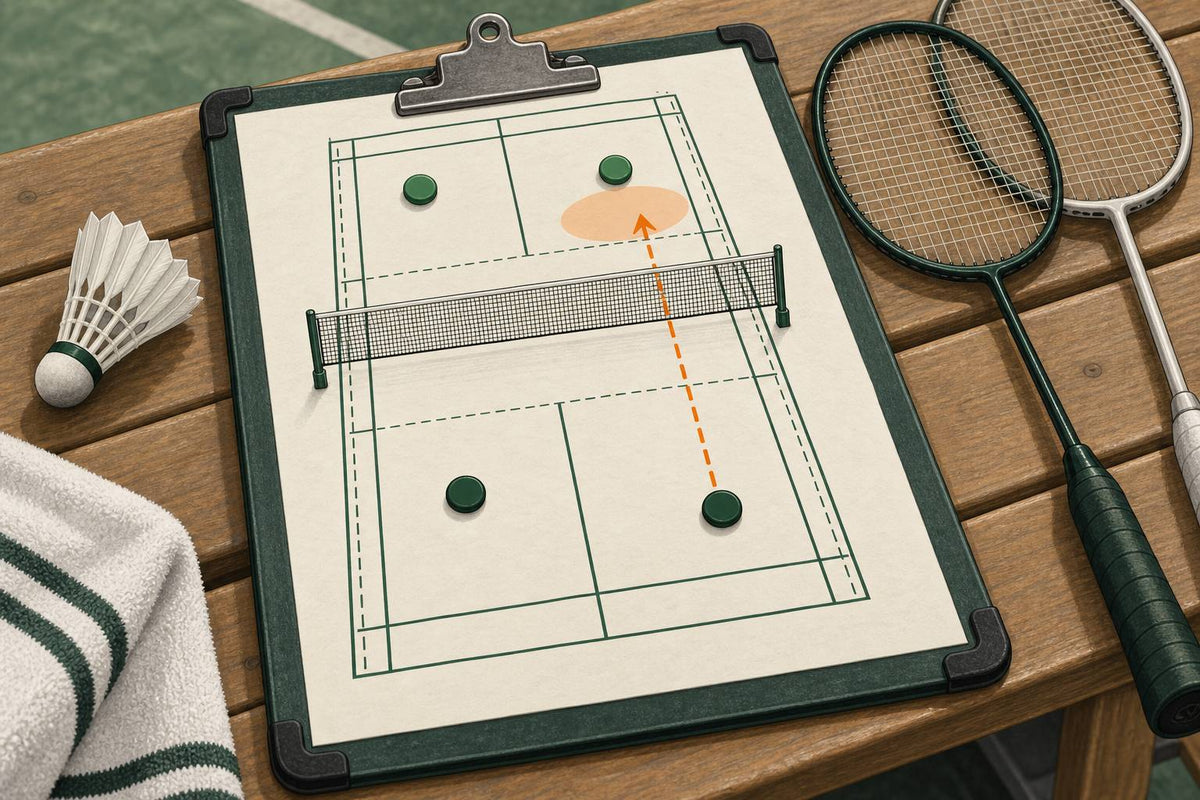
Targeting the Weaker Player in Doubles: Read the Rally
BWF Level 1 identifies what an opponent is good or not good at, and what they are trying to do, as tactical-awareness information. Treat current-position reads as local observations; after the serv...
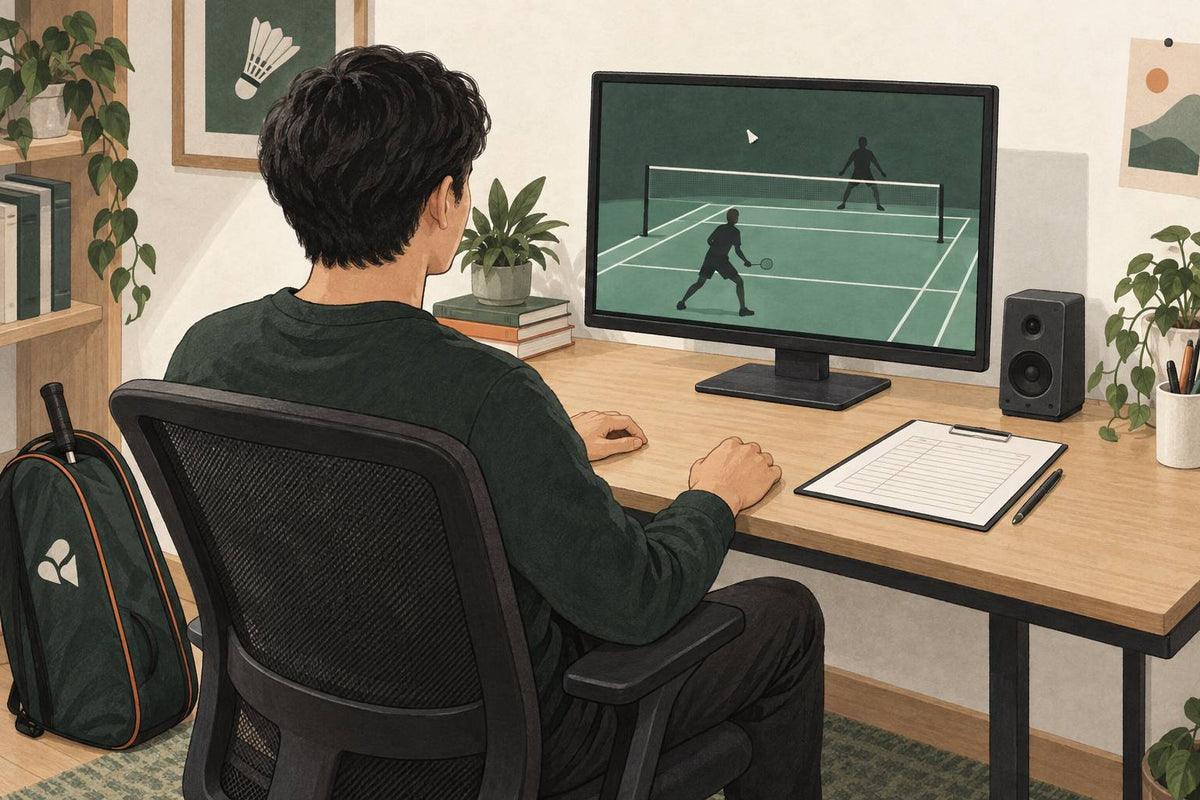
Badminton Dynamic Visual Acuity: What Has Been Tested
Dynamic visual acuity concerns seeing detail while a target moves, whereas a two-week study in badminton novices used video-and-audio training with a digit-discrimination task and improved anticipa...
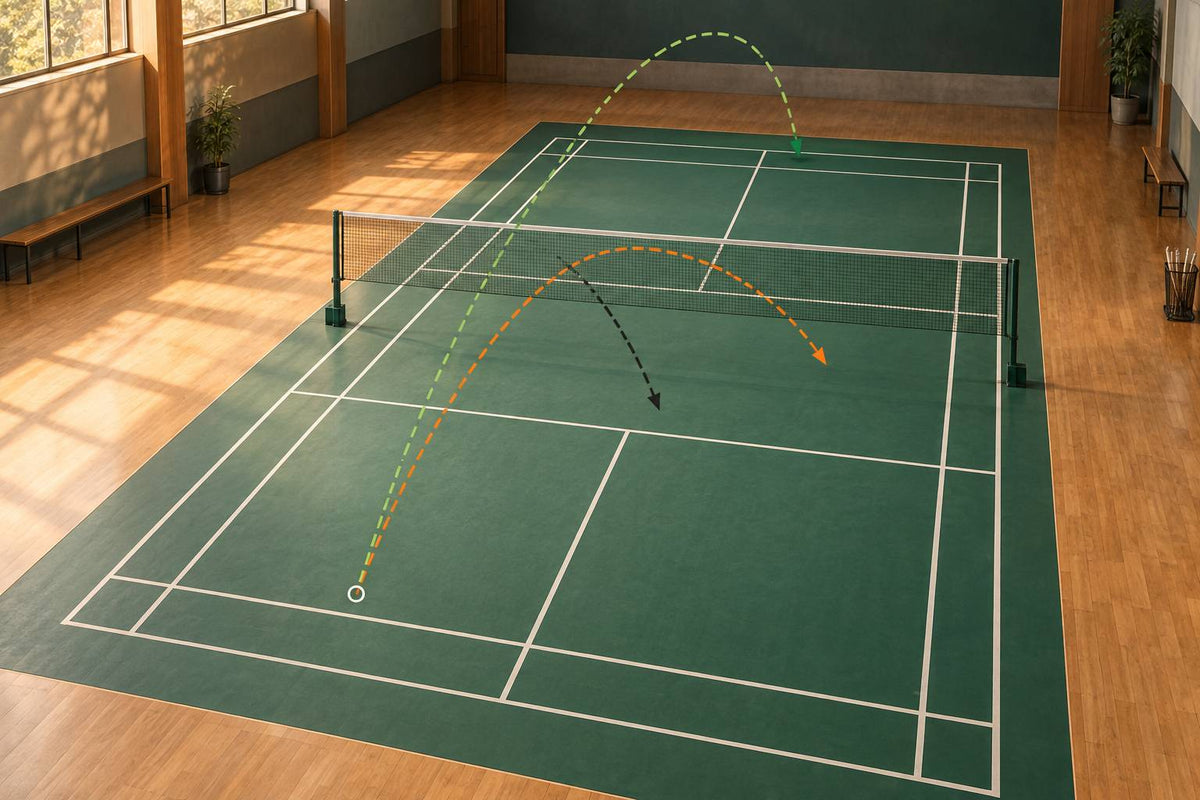
Clear vs Drop vs Smash: What Actually Changes in the Swing
Clear and drop share BWF-taught overhead foundations, but a drop is a controlled push to the front court while a clear uses a fuller hit to the rear. A seven-player elite-male study found shot-spec...
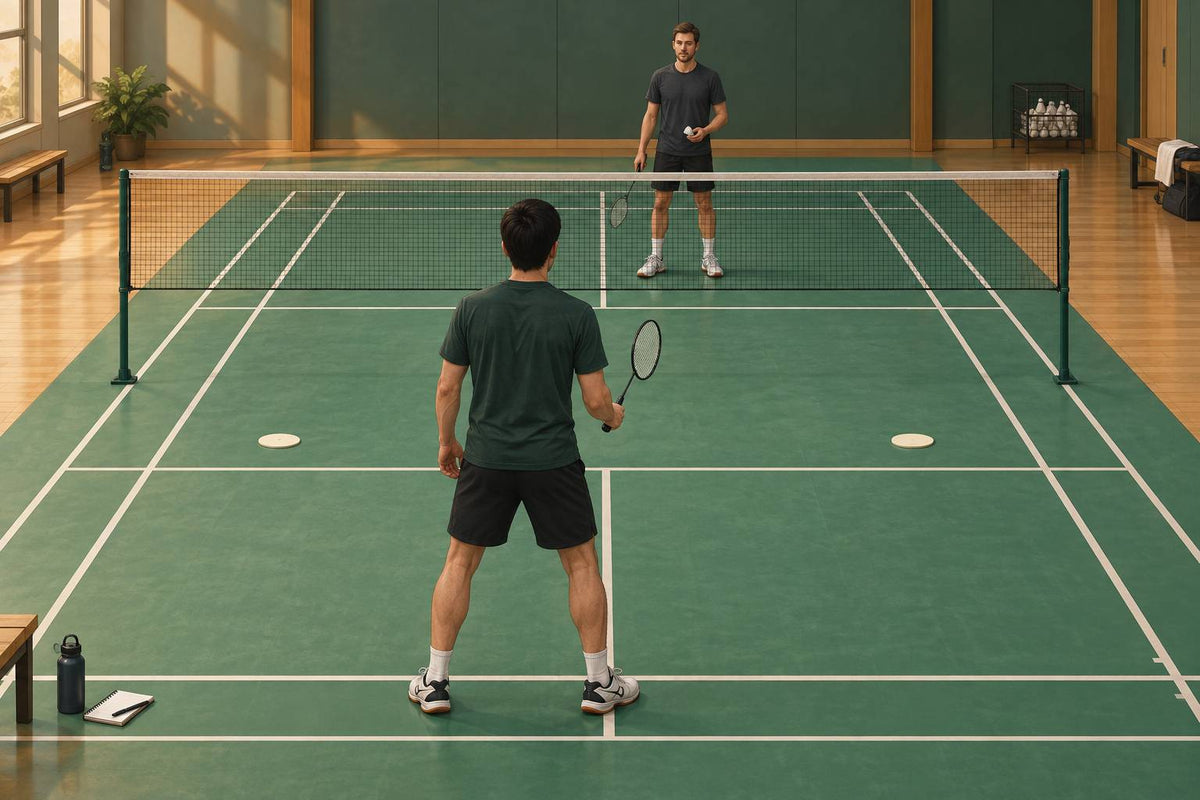
Badminton Two Point Drill Patterns and How to Progress Them
This guide uses a two-point pattern as a local coaching description. BWF materials support a move from predictable toward less predictable practice, but they do not prescribe this article’s feeder ...
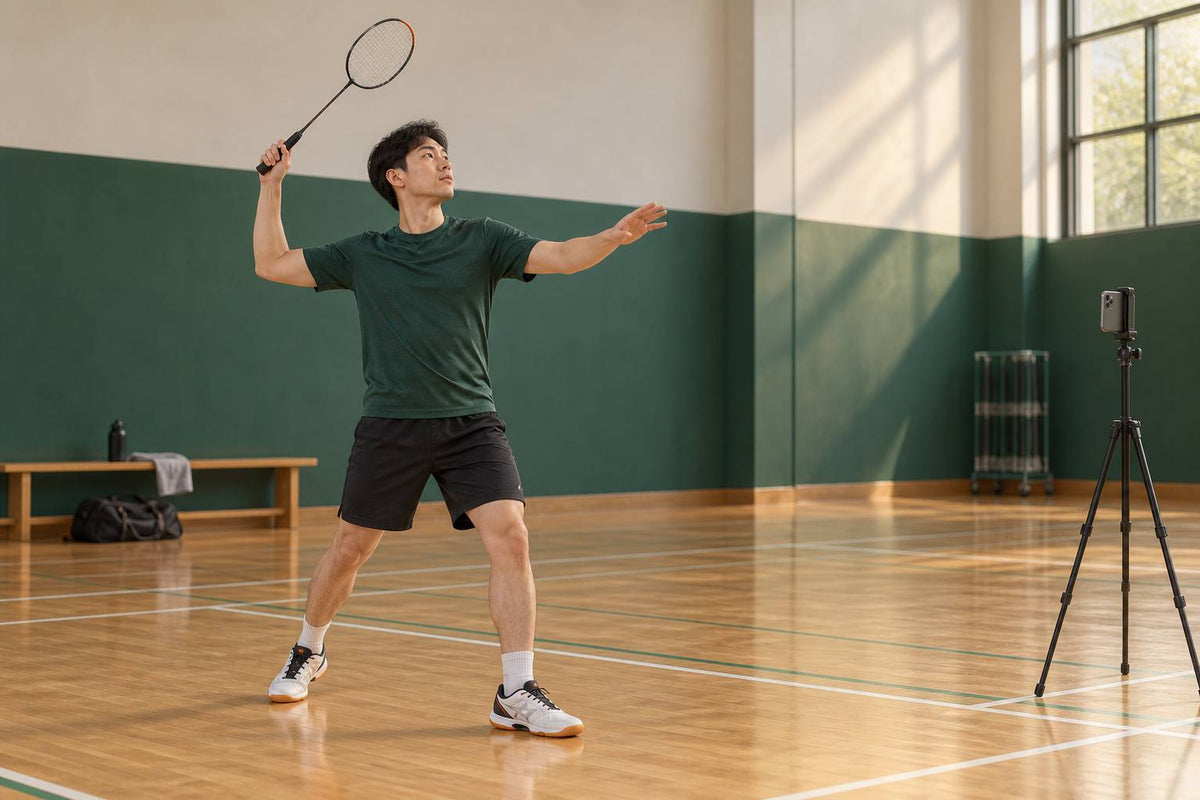
Badminton Shadow Swings: What They Can and Cannot Show
The cited BWF manuals do not prescribe a rep target or fixed checklist for shadow practice. Shadow work does not show the shuttle’s resultant flight; the BWF progression then introduces suspended-s...
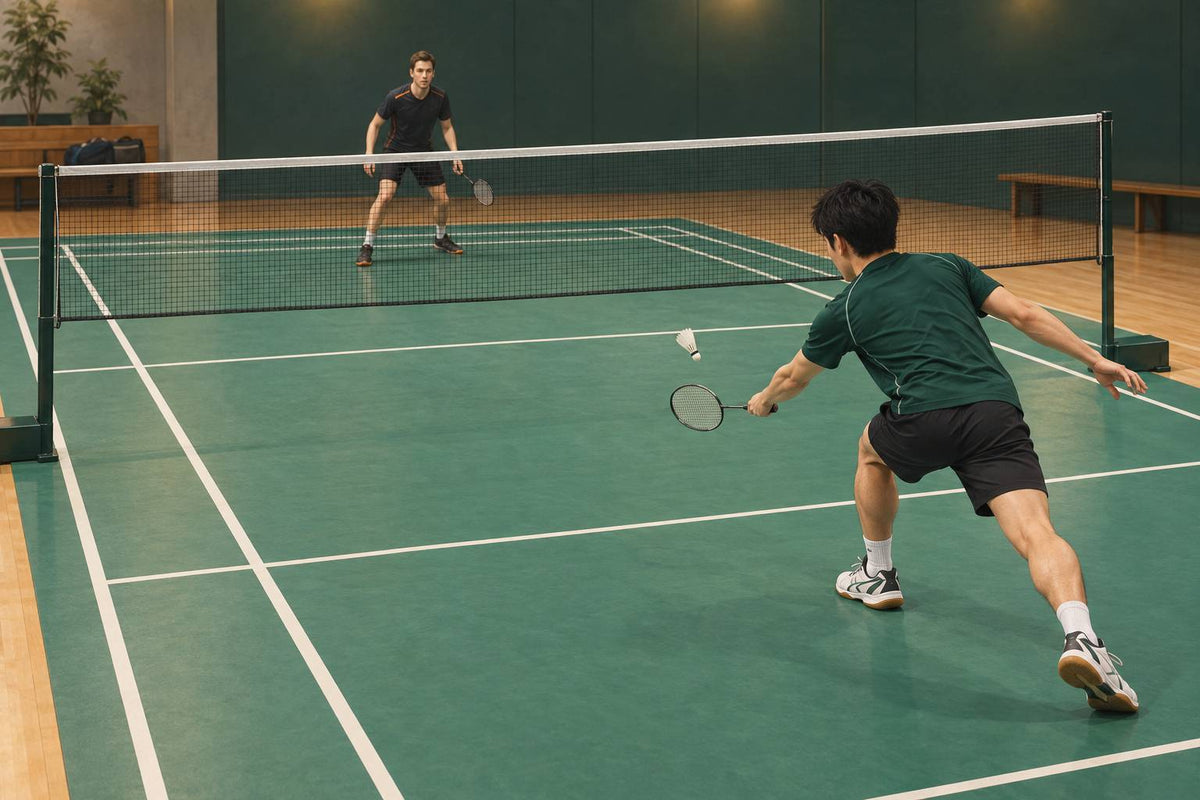
Badminton Out of Position: What to Play to Buy Time
When you are in the forecourt with a shuttle well below tape height, a higher defensive lift can give time to recover position and balance. A long backhand defence is a midcourt-to-rear-court reply...
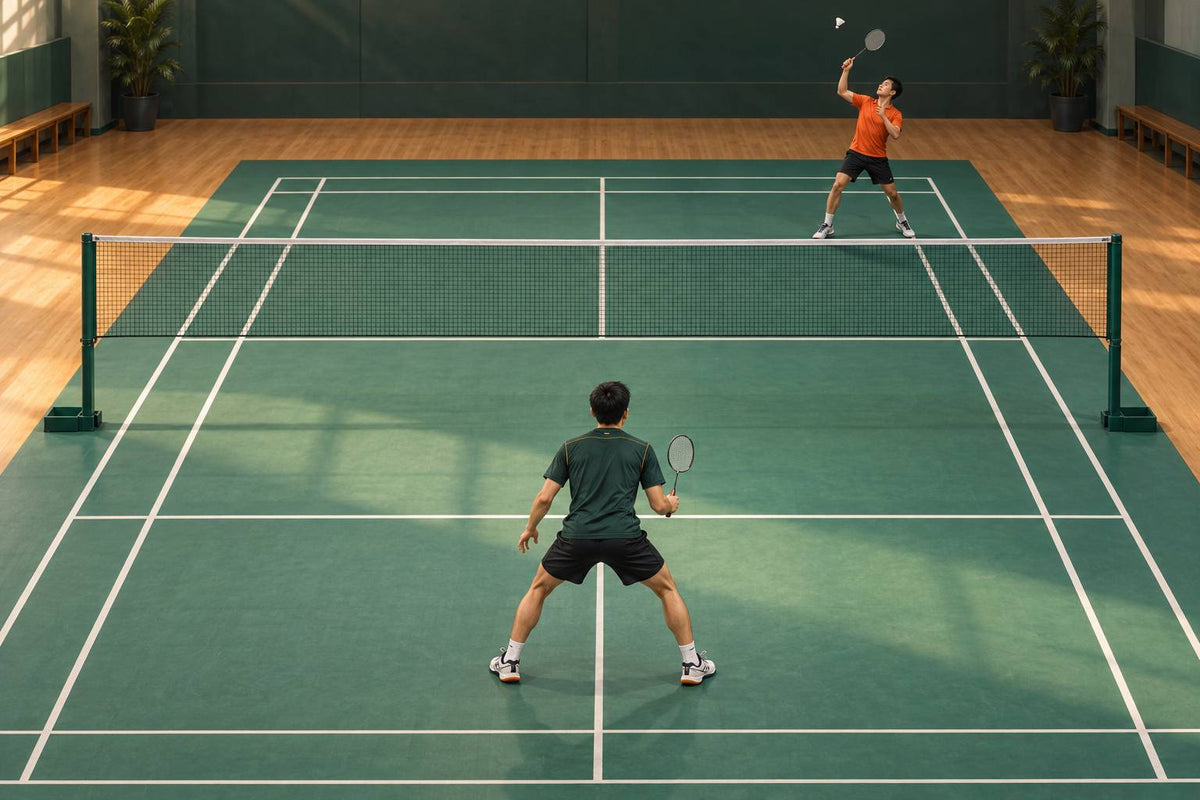
Badminton Midcourt Positioning: Hold, Step In, or Retreat
The Level 1 manual defines a base as fluid rather than a fixed court point for dealing with probable replies. Level 2 gives two rear-court recovery examples, not a universal step-in, hold, or retre...
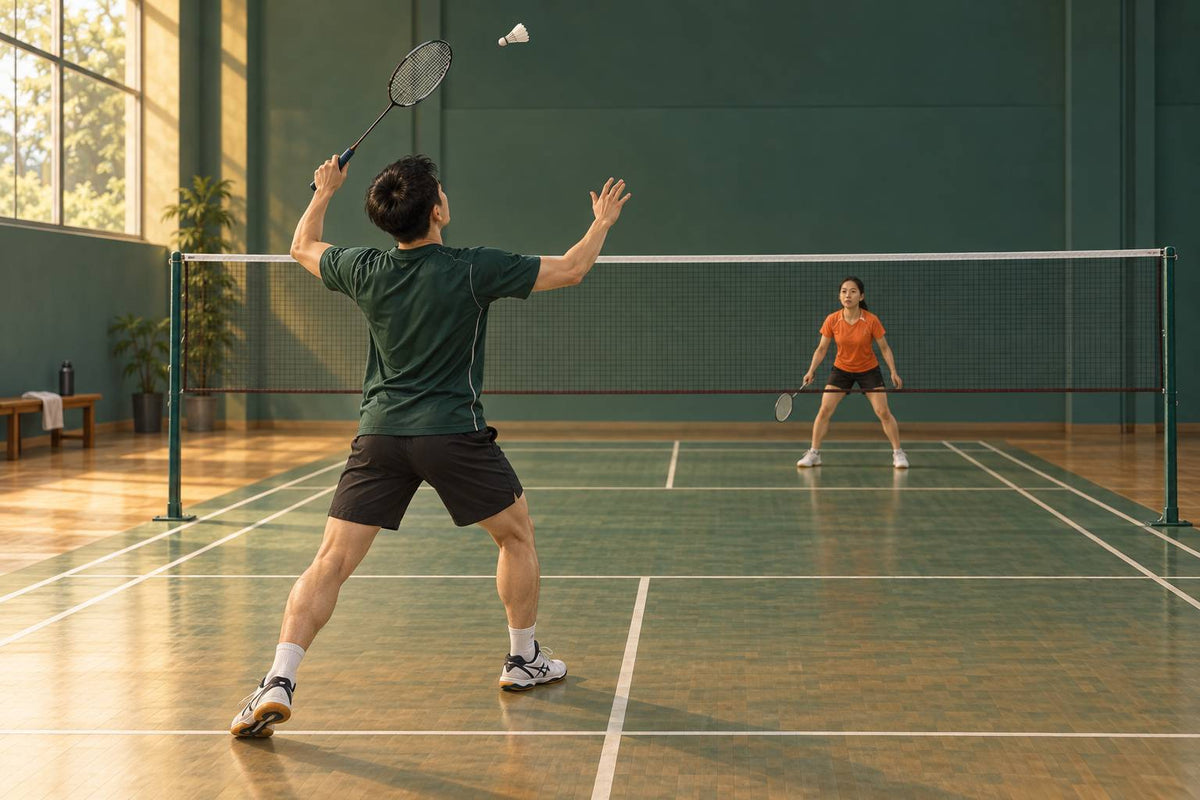
Drop and Lift Drill: What Each Badminton Shot Can Create
The cited sources do not establish five drop-and-lift progressions. They do establish that an overhead drop places the shuttle in the opponent’s forecourt and can encourage a lift, while a higher d...
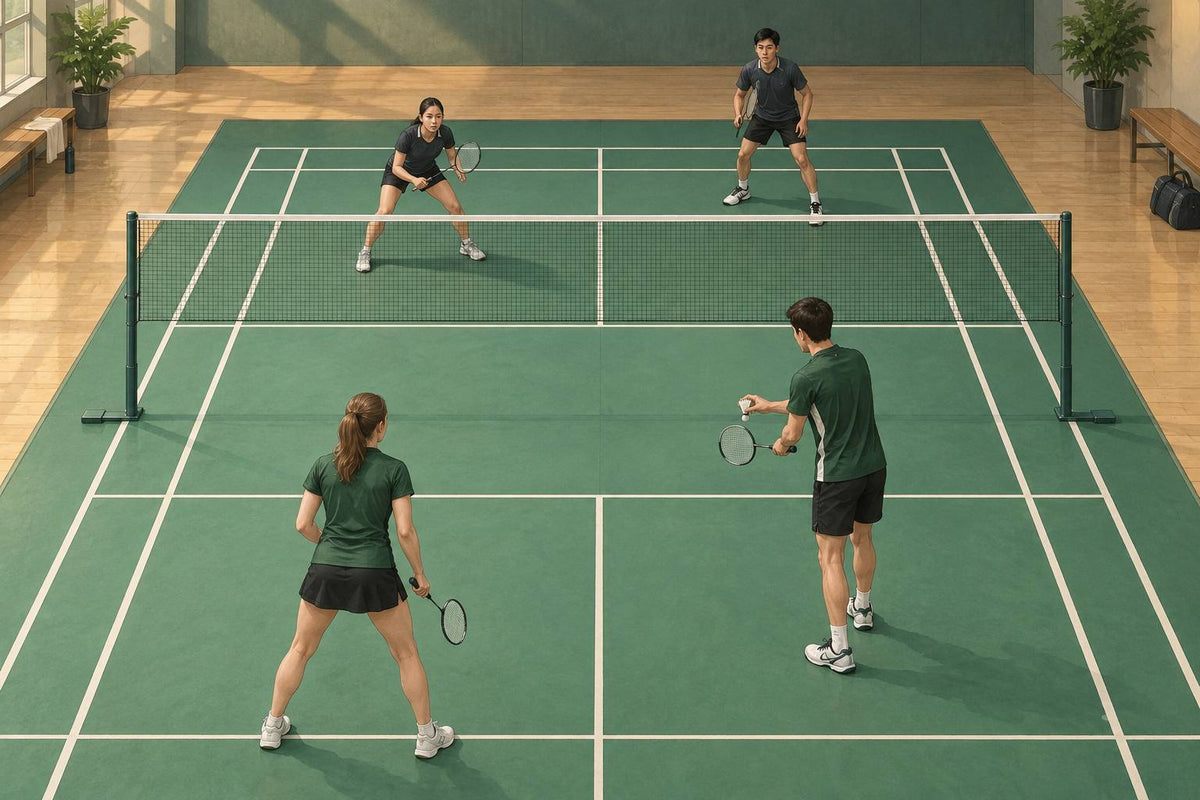
Badminton Doubles Sides: Service Position Versus Pair Preference
Rules assign the serving side to the right court on an even score and the left court on an odd score; after the return, either partner may hit from any position. They do not assign a permanent tact...
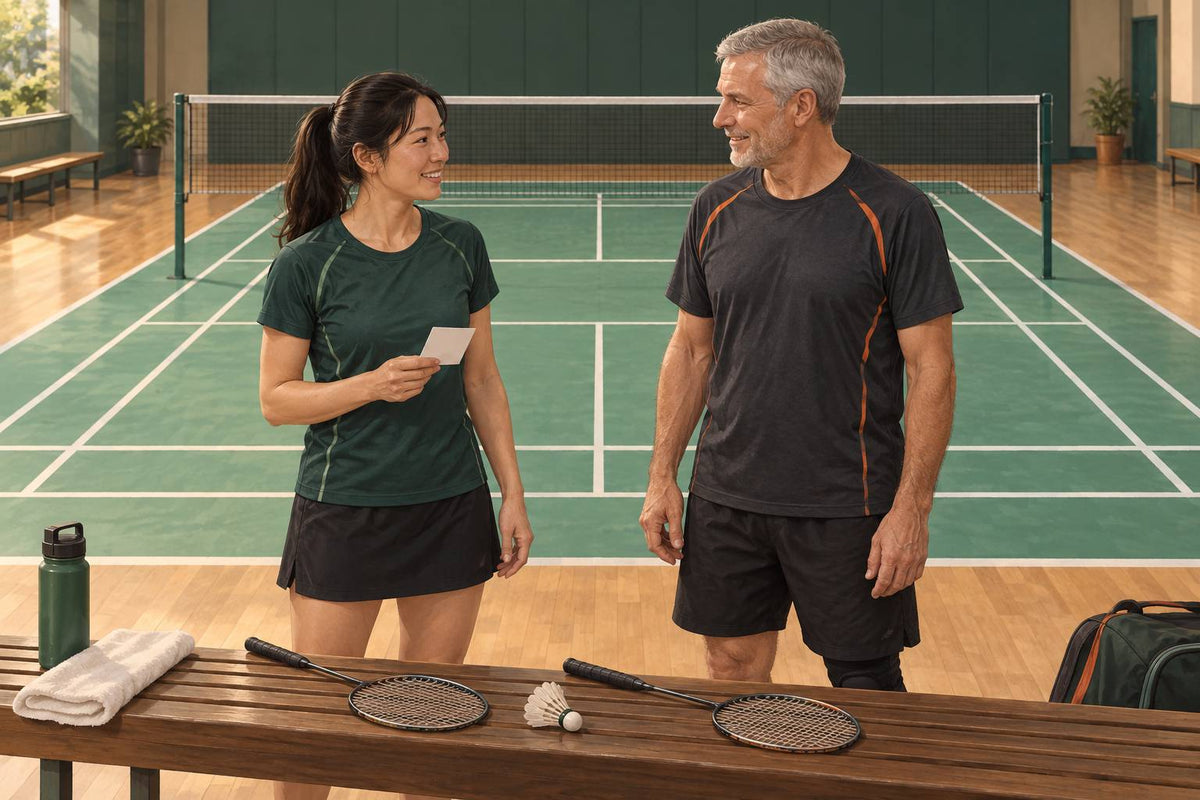
Badminton Doubles Mismatched Partner: Agree a Court Plan
At service, the designated server and receiver use their correct diagonal service courts, while their partners may take positions within their respective courts provided they do not unsight the opp...
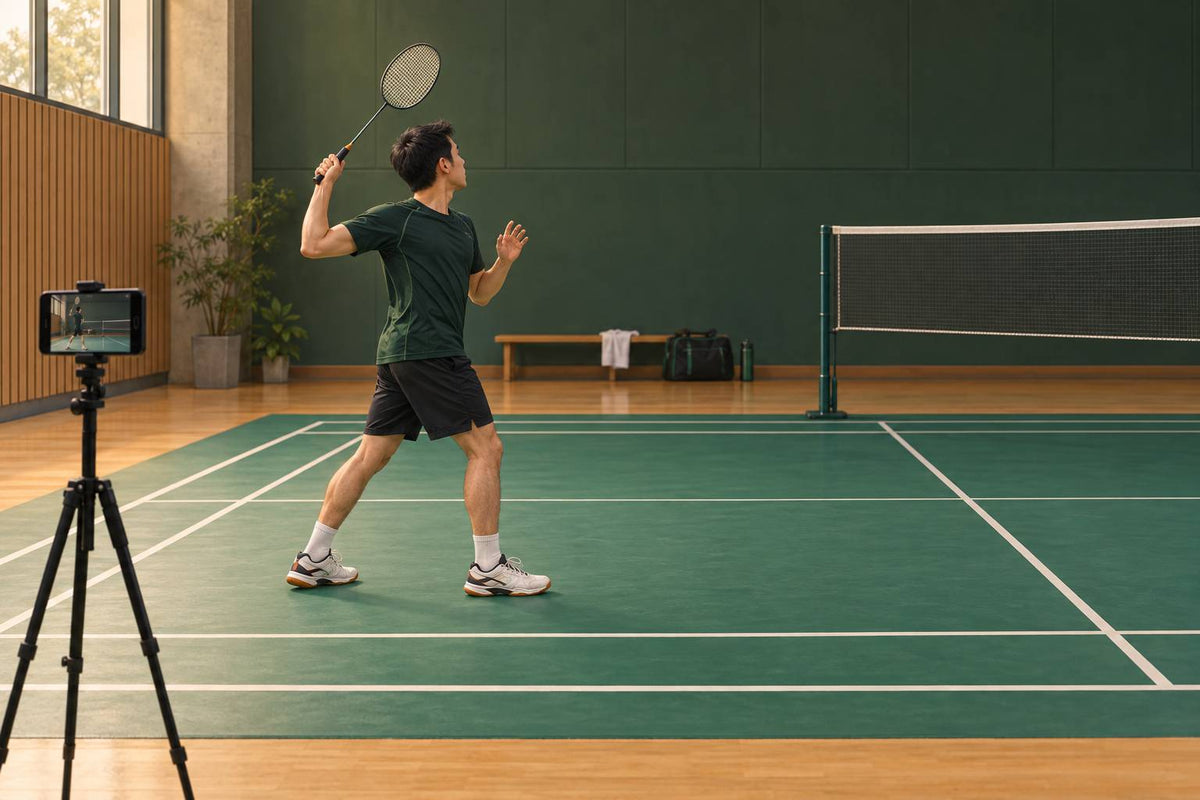
Badminton Backswing Size: What the Studies Do—and Do Not Show
One study found different upper-limb patterns for smash, clear, and drop, while another found more trunk rotation, shoulder-rotation range, and elbow and wrist flexion-extension range in skilled sm...