

Badminton Mental Imagery: Write and Rehearse Rally Scripts
A practical way to write a short, specific badminton imagery script and use it as rehearsal.

Badminton Knock Up Before a Match: Use Your 5 Minutes
A five-minute badminton knock-up routine that prepares match-relevant shots and helps you read the court before play.
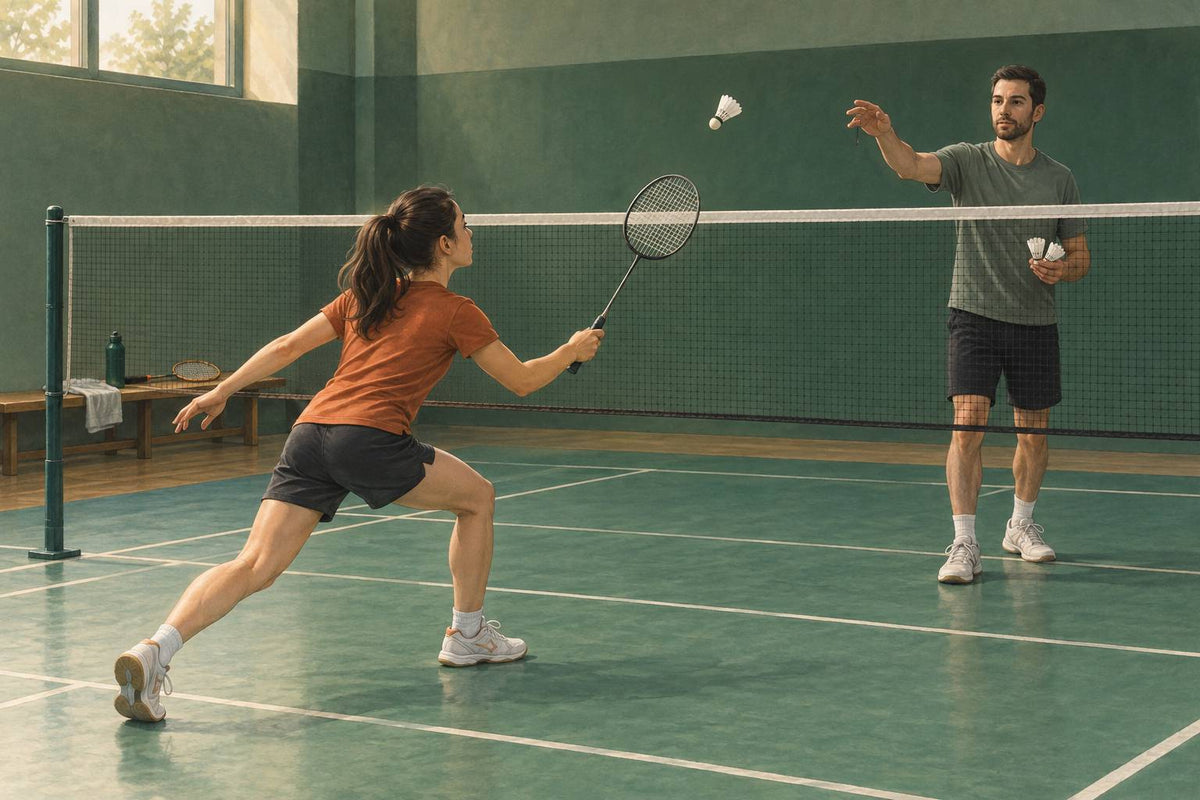
How to Be a Good Badminton Practice Partner
Learn how to feed useful badminton practice, match your partner’s pace, give better feedback, and share drill time fairly.

Badminton Repeated Sprint Training: Build Repeat-Effort Capacity
A cautious guide to repeat-effort capacity for indoor badminton, with an editorial court progression and a simple training log.
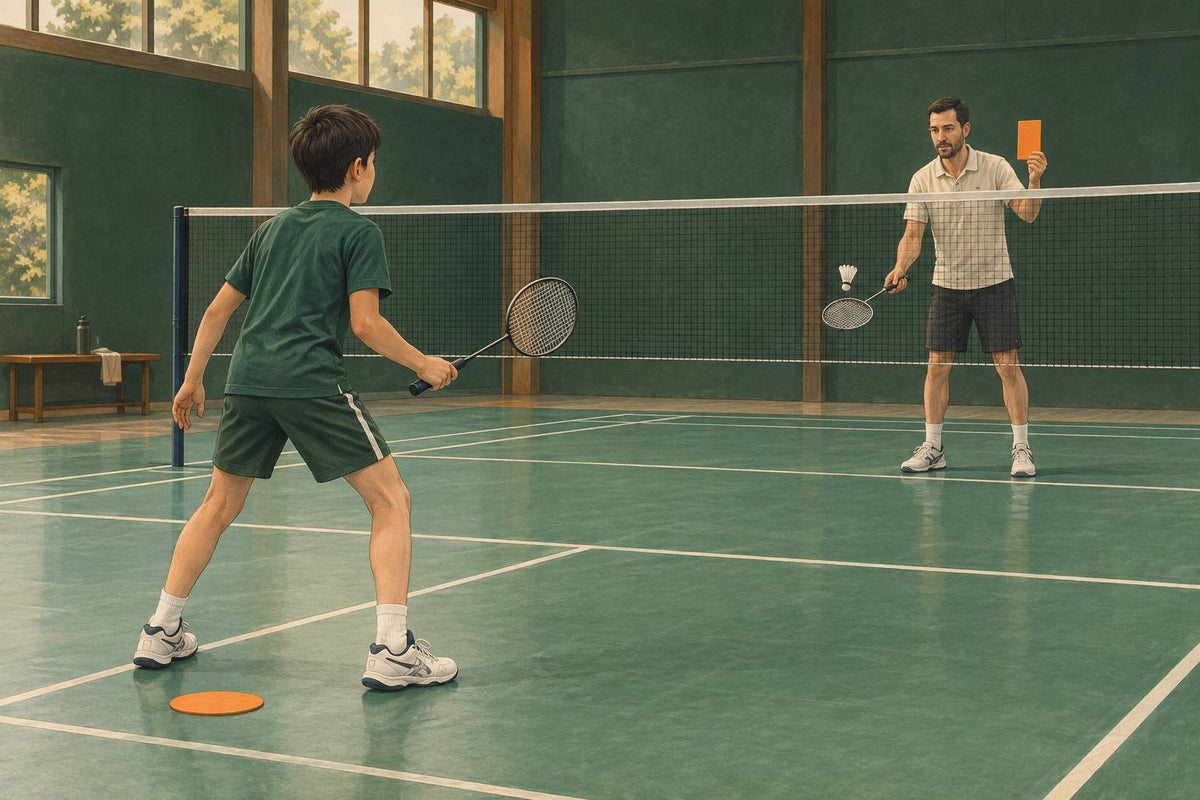
Badminton Coordination Training for Juniors: Beyond Ladders
A junior badminton coordination session can use balance, rhythm, reaction, orientation, touch, and adaptation on court instead of a long ladder queue.
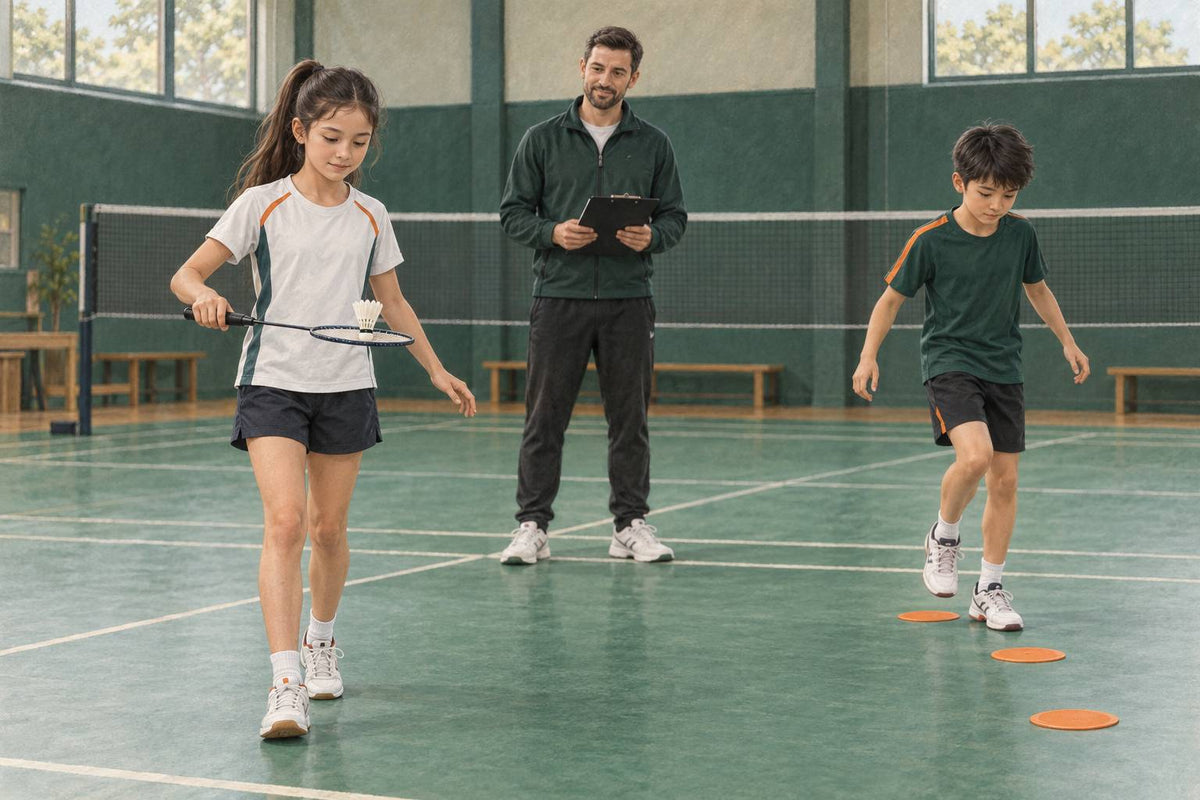
Junior Badminton Training: Technique or Fitness First?
A coach-facing guide to splitting limited junior badminton session time between technique and physical development, with a recommended split by age band and a list of what to delay.

Half-Court Badminton Singles Drill: Fix Your Length
A three-step width progression, scored variations and a mid-court drive game for half-court badminton singles, plus how to police the shared line without a referee.
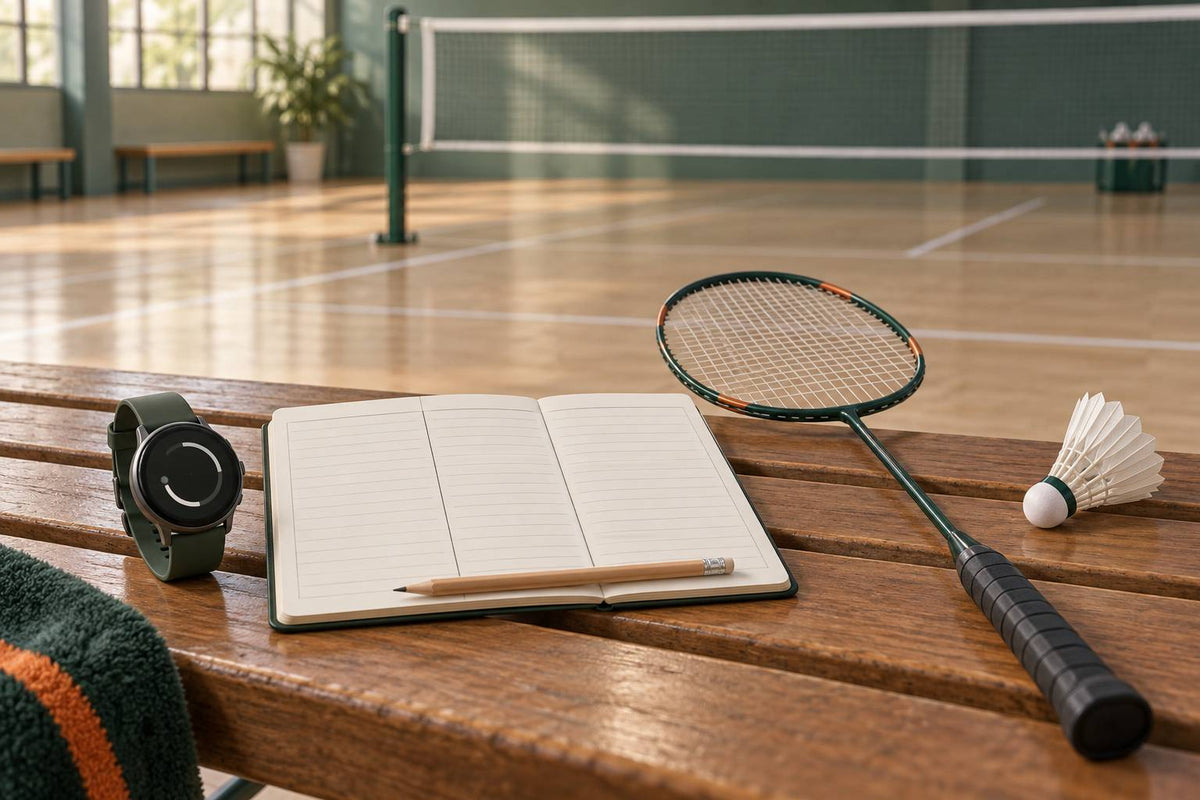
Badminton Heart Rate Training: Why Zones Mislead You
Learn why a single heart-rate zone summary can hide badminton's stop-start demands, then track rally quality, technical decay, and session effort instead.

Badminton Sweat Rate: Build Your Own Drinking Plan
A step-by-step way to measure your own badminton sweat rate from one session, then convert that number into a during-play drinking plan built around the game's own 11-point and between-game interva...

Film Badminton Technique on Your Phone: Self-Coaching
A guide to filming your own badminton strokes usefully, camera placement by shot, gym-friendly settings, and a three-round film-correct-refilm loop for self-coaching.
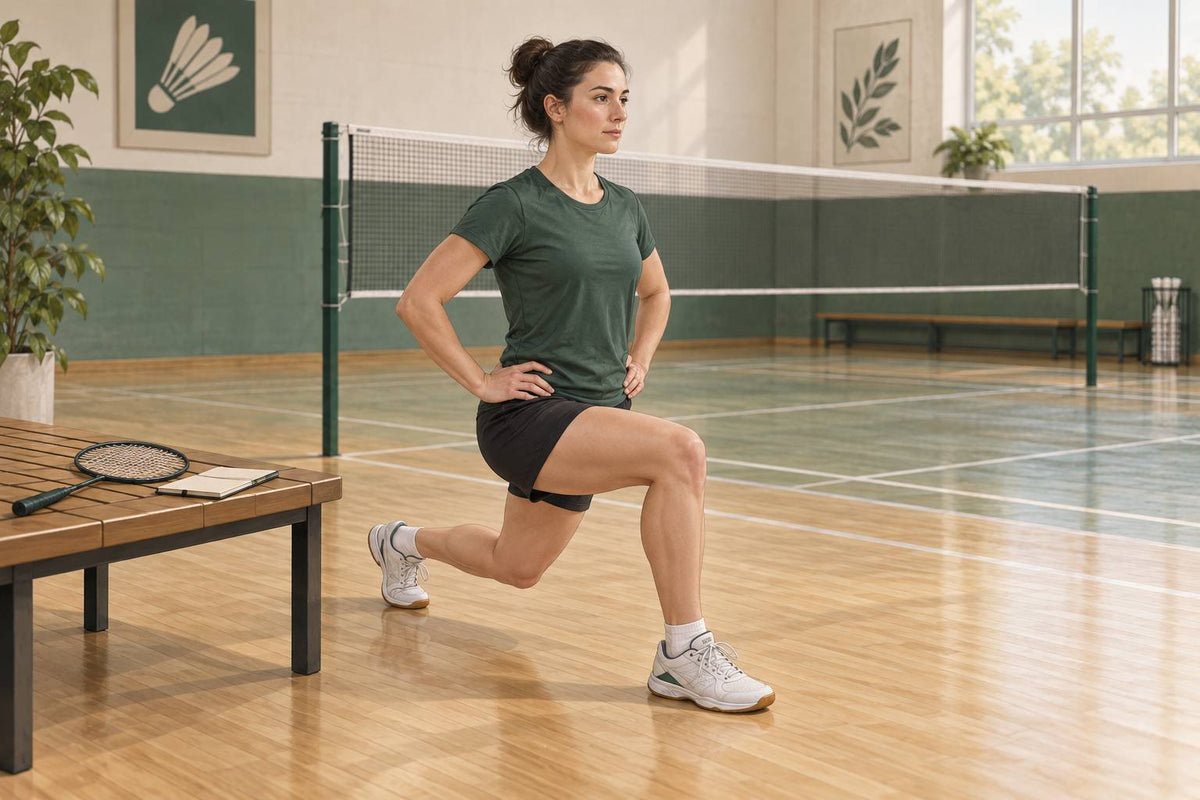
Badminton Lunge Strength Training: A 4-Week Load Plan
A four-week, bodyweight progression that builds tolerance to the braking load of a badminton lunge: depth first, then speed, then unplanned direction.
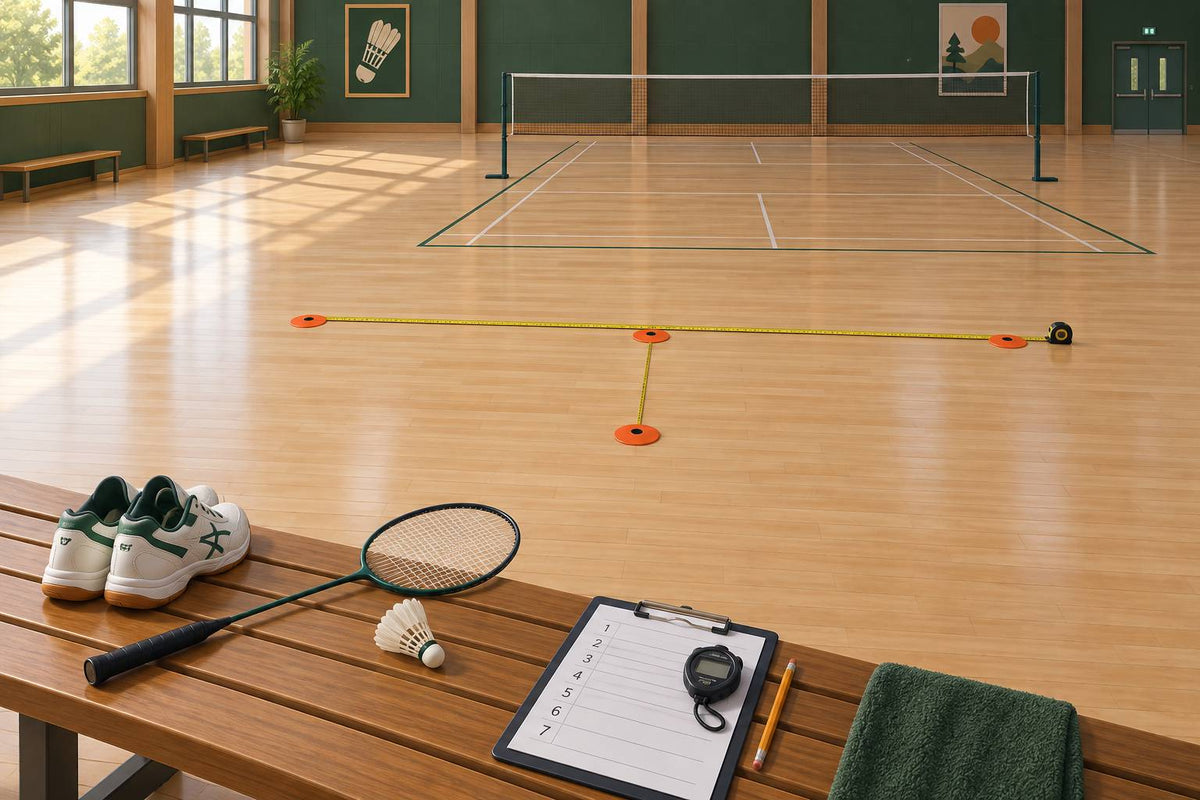
Badminton Fitness Test: 7 Checkpoints to Score Yourself
A no-equipment, seven-checkpoint badminton fitness test that self-scores mobility, power, change of direction, speed, endurance and strength.