

Last updated: July 2026 · Written by the team at Badminton House
Quick Answer: Astrox 88D vs 88S
Choose the Astrox 88D Pro if your doubles role is rear-court power; choose the 88S Pro if you live at the front court and win points with speed, interceptions, and control.
88D Pro
Best for rear-court attackers: built to dominate from the back court with explosive power, steep smashes, and an Ultra Slim 6.7mm shaft.
88S Pro
Best for front-court control: 5mm shorter than the 88D Pro, with a larger frame and bigger sweet spot for quick kills, drives, counters, and net pressure.
In Canada
Badminton House does not carry the 88D Pro or 88S Pro; for a head-heavy attacking option in a similar spirit, see the Yonex Astrox 100 ZZ.
Choosing between the Yonex Astrox 88D and 88S is really a doubles-position decision. Both sit in the Astrox family and are built for fast attacking doubles, but they are not meant to feel identical: the 88D Pro is aimed at rear-court power players who want to keep pressure on with smashes and attacking clears, while the 88S Pro is aimed at front-court players who win rallies with speed, interceptions, drives, and net control.
If you play mostly mixed or level doubles in Canada, the tricky part is that your role can change from rally to rally. A racket that feels perfect when you are smashing from the back may feel demanding in flat drive exchanges; a faster front-court frame may help your interceptions but give up some weight behind the shuttle from the rear court. This guide breaks down the Astrox 88D vs 88S choice in practical terms so you can match the racket to your actual doubles job, not just the model name.
Looking for an Astrox-style attacking racket in Canada? Browse our current Yonex Astrox collection while you compare the 88D and 88S fit for your doubles role.
In This Guide
What the Astrox 88D and 88S Are Made For

The Yonex Astrox 88 series is built around a simple doubles idea: one racket is tuned for the player creating pressure from the back court, and the other is tuned for the player finishing rallies at the front.
Astrox 88D is the rear-court option. The “D” is commonly treated as the doubles power choice: it is positioned for players who hit smashes, steep attacking clears, and repeated pressure shots from the back. Yonex frames the Astrox 88D as the racket that breaks down defenses with back-court attacks.
Astrox 88S is the front-court option. It is positioned for speed, control, interceptions, quick drives, net kills, and sharp attacking shots when you are taking the shuttle early. Yonex frames the Astrox 88S as the racket for decisive front-court attacks.
Quick doubles rule: choose the 88D if you usually win points by setting up or smashing from the rear court; choose the 88S if you usually win points by taking time away at the net and mid-court. If you are still figuring out your role, read our badminton doubles positioning and rotation guide.
That does not mean an 88D player never defends or an 88S player never smashes. Good doubles players rotate constantly. The better way to think about Astrox 88D vs 88S is: where do you want the racket to help you most when the rally gets fast?
- Pick the 88D profile if your strongest contribution is rear-court attack, heavy pressure, and giving your partner chances to intercept.
- Pick the 88S profile if your strongest contribution is front-court control, fast hands, interceptions, and finishing loose replies.
- For a fixed doubles pair, the two rackets are meant to complement each other: one player can lean into back-court power while the other leans into front-court sharpness.
For Canadian club players, the practical takeaway is to choose by role first, not by prestige. If you spend most rallies driving, blocking, and hunting at the tape, the 88S concept makes more sense. If your partner wants you loading up from the back and keeping the attack alive, the 88D concept is the cleaner fit.
Astrox 88D Pro: Rear-Court Power Profile
The Yonex Astrox 88D Pro is the power side of the Astrox 88D vs 88S decision: a stiff-flex, head-heavy doubles racket with an ultra-slim 6.7mm shaft and a 17cm handle, made in Japan in 4U (avg. 83g) and 3U (avg. 88g) versions. Yonex positions it for doubles specialists who want to dominate from the back court with explosive power — the racket to look at if your job is to create pressure from behind your partner.
The 88D Pro uses Yonex’s Rotational Generator System, which distributes weight through the racket for smoother transitions, and Namd graphite, which is designed for faster snapback and power on shots. That combination fits a rear-court role where you are repeatedly loading the racket for smashes, steep angles, attacking clears, and follow-up pressure.
Best fit: rear-court doubles attackers who want their racket to help turn lifts and loose clears into downward pressure. If your partner likes hunting at the net, the 88D Pro is the more natural 88-series match for your role.
Where the 88D Pro feels strongest
| Rear-court situation | Why the 88D Pro makes sense |
|---|---|
| Full smashes | Its back-court power profile suits players who want to hit through defensive blocks and force weak replies. |
| Steep angles | The racket is a strong fit when your attacking plan is to bring the shuttle down early and make defenders lift again. |
| Attacking clears | Rear-court players can use the power profile to keep opponents pinned deep instead of giving them an easy front-court transition. |
| Sustained pressure | It suits doubles patterns where one player attacks from the back while the partner looks for interceptions and kills at the net. |
The trade-off: power costs speed
The same head-heavy character that helps the 88D Pro hit hard can ask more from your forearm and shoulder in long defensive exchanges. If you spend most rallies in drive battles, flat blocks, counter-defence, or front-court interceptions, a faster-feeling racket may be easier to use over a full match.
That does not mean the 88D Pro is only for players with a huge smash. It means you should be honest about your doubles role. If your strongest rallies start with a lift from the opponent and end with you building pressure from the rear court, the 88D Pro profile makes sense. If your best rallies are quick exchanges around the service line, the 88S Pro profile will likely feel more natural.
For more context on how balance changes racket feel, see our head-heavy vs head-light racket guide. If shoulder fatigue shows up when you play with heavier attacking frames, our badminton shoulder pain prevention guide is also worth reading before you increase training volume.
Astrox 88S Pro: Front-Court Control Profile
The Astrox 88S Pro is the front-court half of the Astrox 88 doubles pairing. If the 88D Pro is built around rear-court pressure, the 88S Pro is aimed at advanced doubles players who want to take the shuttle early, cut off drives, and turn loose replies into quick net kills.
The Astrox 88S Pro is a stiff, head-heavy doubles racket built 5mm shorter than the 88D Pro, with a thicker 6.9–6.95mm shaft, a 16.5cm handle, and a larger sweet spot for early contact. It is designed for quick drives, sharp net control, precise placement, and faster swing recovery in fast-paced doubles rallies. That makes it especially relevant for Canadian club and tournament players who spend a lot of points in flat exchanges, mid-court counters, and aggressive net follow-ups.
"The 88S Pro is about taking time away from opponents: intercept early, keep the racket up, and finish before the rear-court player has to reset the rally."
Where the 88S Pro feels strongest
- Front-court kills: the racket suits short, sharp finishing actions when the shuttle sits above tape height.
- Drive exchanges: the 88S Pro is strong for quick drives and counters, especially when you are trying to redirect pace rather than load up for a full swing.
- Mid-court interceptions: it rewards compact preparation and early contact, which matters when doubles rallies flatten out.
- Net placement: sharp net control and precise placement are the main reasons to choose the 88S profile over the 88D profile.
The on-court feel is direct. The slightly shorter racket helps the 88S Pro react immediately on short, sharp front- and mid-court shots such as kills, drives, and counters. Compared with a rear-court-first frame, that direct response is the point: you are choosing faster handling and cleaner interceptions over maximum back-court leverage.
Choose the 88S Pro if your doubles job is:
Stand high, pressure the tape, win drive battles, and set up your partner by forcing weak lifts. If you want to build that style, pair the racket decision with cleaner technique from our badminton net shot technique guide.
The trade-off is straightforward: the 88S Pro is not the obvious choice if your main value in doubles is repeatedly hitting heavy rear-court smashes. But if your role is front-court control, fast hands, and aggressive interceptions, it is the Astrox 88 model that matches that job most naturally.
What Are the Spec Differences Between the 88D Pro and 88S Pro?

The Astrox 88D Pro and 88S Pro are close enough that the choice can look subtle on paper, but the small dimensions matter in doubles. The 88S Pro is built to feel quicker and more direct in the front and mid-court, while the 88D Pro gives you the longer, slimmer-shaft attacking profile for back-court pressure.
If you are deciding between 3U and 4U at the same time, read our 3U vs 4U vs 5U badminton racket weight guide first. The same racket can feel noticeably different when you change weight class, especially in fast Canadian club doubles where defence and drive exchanges punish slow preparation.
| Spec | Astrox 88S Pro | Astrox 88D Pro | How it changes the feel |
|---|---|---|---|
| Shaft diameter | 3U: 6.95mm 4U: 6.9mm |
3U: 6.7mm 4U: 6.7mm |
The 88S Pro shaft is thicker, which supports a firmer, more direct response on blocks, drives, counters, and short front-court punches. The 88D Pro shaft is slimmer, fitting its rear-court power profile. |
| Handle length | 16.5cm | 17cm | The shorter 88S Pro handle suits quick grip changes and compact front-court reactions. The longer 88D Pro handle gives rear-court players a little more room for leverage and grip adjustment. |
| Overall length | 5mm shorter than the 88D Pro | 5mm longer than the 88S Pro | That 5mm difference is small, but it lines up with the roles: the 88S Pro favours faster interceptions, while the 88D Pro favours a longer attacking action from the rear court. |
| Frame thickness | 3U: 9.6mm 4U: 9.7mm |
3U: 9.8mm 4U: 9.8mm |
The 88D Pro has the thicker frame beam in both weight classes. The 88S Pro has the thinner beam numbers here, but its hitting frame is larger. |
| Frame size and sweet spot | Larger frame with a bigger sweet spot | Smaller frame than the 88S Pro | The 88S Pro is more forgiving when you are taking the shuttle early, reaching in front of the body, or reacting under pressure. The 88D Pro rewards cleaner contact when you have time to load up from the back. |
Simple read: choose the 88S Pro if your doubles value comes from fast hands, interceptions, drives, and net control. Choose the 88D Pro if your value comes from rear-court smashes, steep angles, attacking clears, and keeping pressure on the defenders.
The important detail is that “S” does not simply mean weaker or easier, and “D” does not simply mean better. The 88S Pro’s thicker shaft, shorter length, shorter handle, larger frame, and bigger sweet spot all support quicker front-court timing. The 88D Pro’s longer build, slimmer 6.7mm shaft, and rear-court design support a more committed power swing. In mixed or level doubles, the best pick is the one that matches where you actually take most of your shots.
What Weight and String Tension Should You Choose?
On paper, the Astrox 88D Pro and 88S Pro are very similar here: both are listed in 4U and 3U versions, with the same recommended tension ranges by weight class. The choice is less about one model being “stronger” than the other, and more about matching weight and string setup to your doubles role.
| Spec | Astrox 88D Pro | Astrox 88S Pro | How it affects play |
|---|---|---|---|
| 4U | 83g | Avg. 83g | Better for faster handling, defence, and long doubles rallies where recovery speed matters. |
| 3U | 88g | Avg. 88g | More solid through the shuttle, but more demanding during fast flat exchanges and repeated defence. |
| 4U tension | 20–28 lbs | 20–28 lbs | A practical range for most club players, especially if you want forgiveness without giving up too much precision. |
| 3U tension | 21–29 lbs | 21–29 lbs | Slightly higher listed range, but the right tension still depends on your timing, level, and injury history. |
| Extra 88S Pro listing notes | — | Stiff flex; Made in Japan | The stiff feel suits confident timing and compact, quick hitting rather than slow, whippy swings. |
For most Canadian club doubles players comparing Astrox 88D vs 88S, 4U is the safer starting point. It keeps the head-heavy Astrox feel more manageable in defence, drive battles, and late-night league matches when your arm is already tired. Choose 3U only if you actively want more mass behind the shuttle and you are comfortable defending with a heavier frame.
Not sure what tension to choose? Use our badminton string tension guide before jumping to the top of the racket’s recommended range. Higher tension can feel precise, but only if your timing and contact point are consistent.
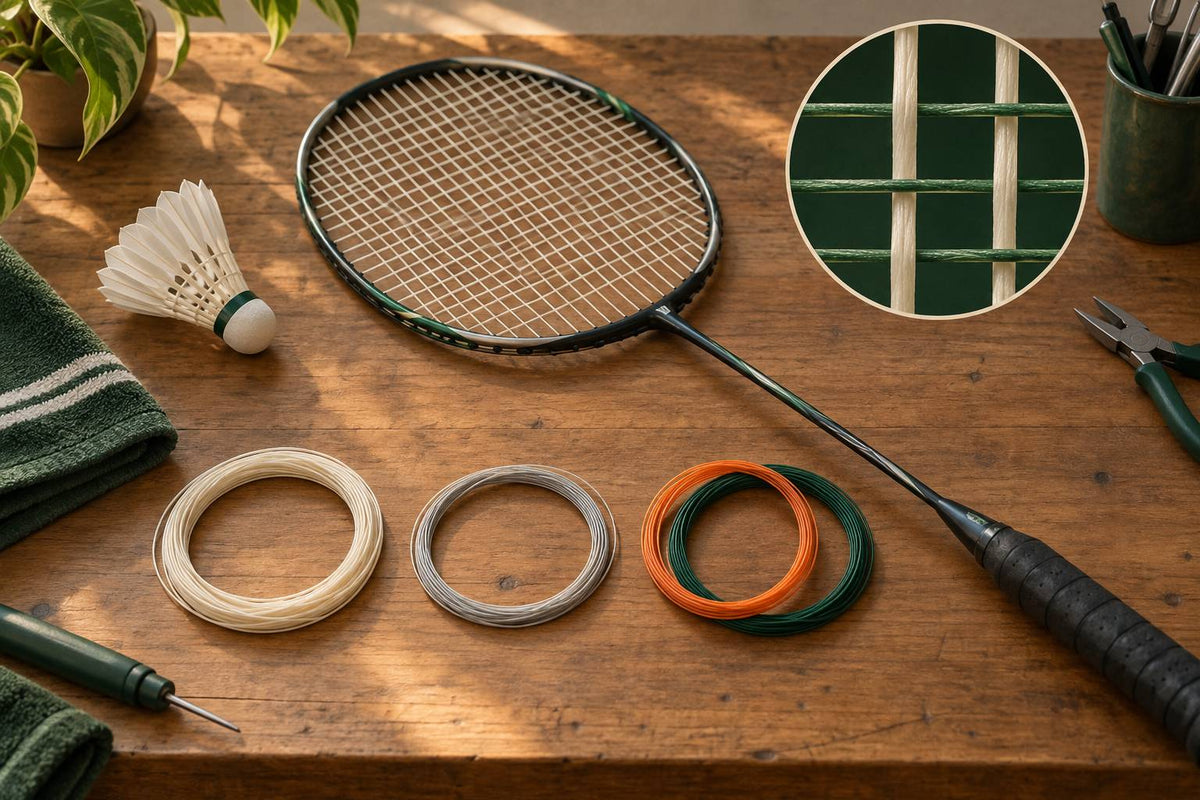
String choice: match the string to your role
The model-specific recommendations point in a useful direction: the 88D Pro is expected to do more rear-court damage, while the 88S Pro is expected to finish and control faster exchanges closer to the net.
- Astrox 88D Pro hard hitters: Exbolt 68 is the listed hard-hitter recommendation. That fits the 88D Pro’s back-court attacking job: smashes, attacking clears, and sustained pressure from behind your partner.
- Astrox 88D Pro control players: Aerobite is the listed control recommendation. Choose this direction if you still want the 88D Pro’s rear-court profile but care about cut drops, placement, and controlling the rally after the smash.
- Astrox 88S Pro hard hitters: Aerobite Boost is the listed hard-hitter recommendation. This makes sense for front- and mid-court players who take shuttles early, punch drives, and still want bite when finishing loose lifts.
- Astrox 88S Pro control players: Aerobite is the listed control recommendation. It suits the 88S Pro’s sharper net-control role, especially if your game is built around interceptions, tight net shots, and placement rather than only raw smash speed.
If you are coming from a softer or more forgiving racket, avoid changing everything at once. Keep the weight class familiar, pick a sensible tension, and then adjust string type after a few sessions. A 4U 88S Pro at a moderate tension will feel very different from a 3U 88D Pro strung tight, even though the published tension ranges overlap.
Book Badminton Stringing — Set It Up Right
Canadian badminton specialty shop · In-house stringing available
Can You Buy the Astrox 88D or 88S Pro in Canada?
Here is the honest Canadian buying picture: Badminton House does not carry the Yonex Astrox 88D Pro or Astrox 88S Pro, and there is no verified CAD price for either 88-series Pro model on our store site right now.
Looking for a Yonex attacking option? The Yonex Astrox 100 ZZ is the most relevant head-heavy power alternative we carry for rear-court doubles players.
| Racket | Badminton House status | Best next step |
|---|---|---|
| Yonex Astrox 88D Pro | Not currently stocked; no verified Badminton House CAD price | If you need the 88D Pro specifically, check Canadian badminton specialty retailers or your local club pro shop. |
| Yonex Astrox 88S Pro | Not currently stocked; no verified Badminton House CAD price | If you need the 88S Pro specifically, look for a Canadian badminton specialty source that can confirm model, grip size, and availability. |
| Yonex Astrox 100 ZZ | Carried at Badminton House | Consider it if your doubles role is closer to the 88D side: rear-court pressure, steep attacking shots, and head-heavy power. |
You can browse the current Yonex Astrox Series collection or compare it with the full badminton rackets collection.
If you are buying a racket for the same job as the Astrox 88D Pro, prioritize a head-heavy attacking frame that still feels manageable in defence. If you are buying for the same job as the Astrox 88S Pro, prioritize fast handling, clean interceptions, and comfort in drive exchanges rather than pure rear-court punch.
Shop Badminton Rackets in Canada
Ships across Canada · 14-day returns
Which Should You Choose?
For most doubles players, the Astrox 88D vs 88S decision should start with your role. If you are the player creating pressure from the back court, the 88D Pro is the clearer fit. If you win points by taking the shuttle early at the net, driving flat, and cutting off replies, the 88S Pro is built around that front-court job.
| Choose | Best fit | Why it fits | Watch-outs |
|---|---|---|---|
| Astrox 88D Pro | Rear-court doubles attackers | Built to maximize explosive power and offensive play from the back court. It suits smashes, steep angles, attacking clears, and pressure while your partner hunts at the net. | The head-heavy feel can ask more from your forearm and shoulder during long defensive exchanges. |
| Astrox 88S Pro | Front-court and mid-court control players | Designed for quick drives, sharp net control, precise placement, kills, counters, and interceptions. Its 5mm shorter overall length helps with immediate reactions. | It is matched to the front-court role rather than the rear-court power role that defines the 88D Pro. |
| 88D Pro + 88S Pro pair | Established doubles pairs with clear roles | The 88D is positioned for back-court attacks, while the 88S is positioned for decisive front-court attacks. That makes the pair logical when one partner mainly attacks from the rear and the other controls the front. | If you rotate evenly or change partners often, choose based on the role you play most often. Our doubles positioning guide can help you identify that role. |
| 4U version | Players prioritizing maneuverability | Both models are listed in 4U at an average 83g, with recommended stringing tension of 20–28 lbs. | If you are choosing mainly by weight, compare 3U, 4U, and 5U in our badminton racket weight guide. |
| 3U version | Players wanting a more solid impact | Both models are listed in 3U at an average 88g, with recommended stringing tension of 21–29 lbs. | A heavier doubles racket can feel more demanding in fast exchanges, so match it to your strength, timing, and defensive workload. |
The physical differences support the same decision: the 88D Pro uses a 6.7mm shaft and is longer, while the 88S Pro has a thicker shaft, a larger frame with a bigger sweet spot, and a 5mm shorter overall length for faster front-court reactions.
Canadian buying note. Badminton House does not carry the Astrox 88D Pro or 88S Pro. If you want a Yonex head-heavy attacking alternative, the Yonex Astrox 100 ZZ is worth a look. If you do find an 88D or 88S elsewhere in Canada, our in-house stringing service can help you set it up within the model’s recommended tension range.
Get new badminton guides by email
Join the Badminton House list for occasional emails with new guides, technique tips and news from our club in Moncton.
By subscribing, you agree to receive Badminton House emails and can unsubscribe anytime.
If you are still choosing between the Astrox 88D and 88S style of racket, think about where you actually win points in doubles: back-court pressure, front-court interceptions, or fast rotation between both. We play badminton ourselves, so if you want a second opinion before buying or stringing a racket, contact Badminton House and tell us your level, current racket, usual doubles role, and preferred string tension.
Canadian badminton specialty shop · Ships across Canada

Leave a comment
This site is protected by hCaptcha and the hCaptcha Privacy Policy and Terms of Service apply.