
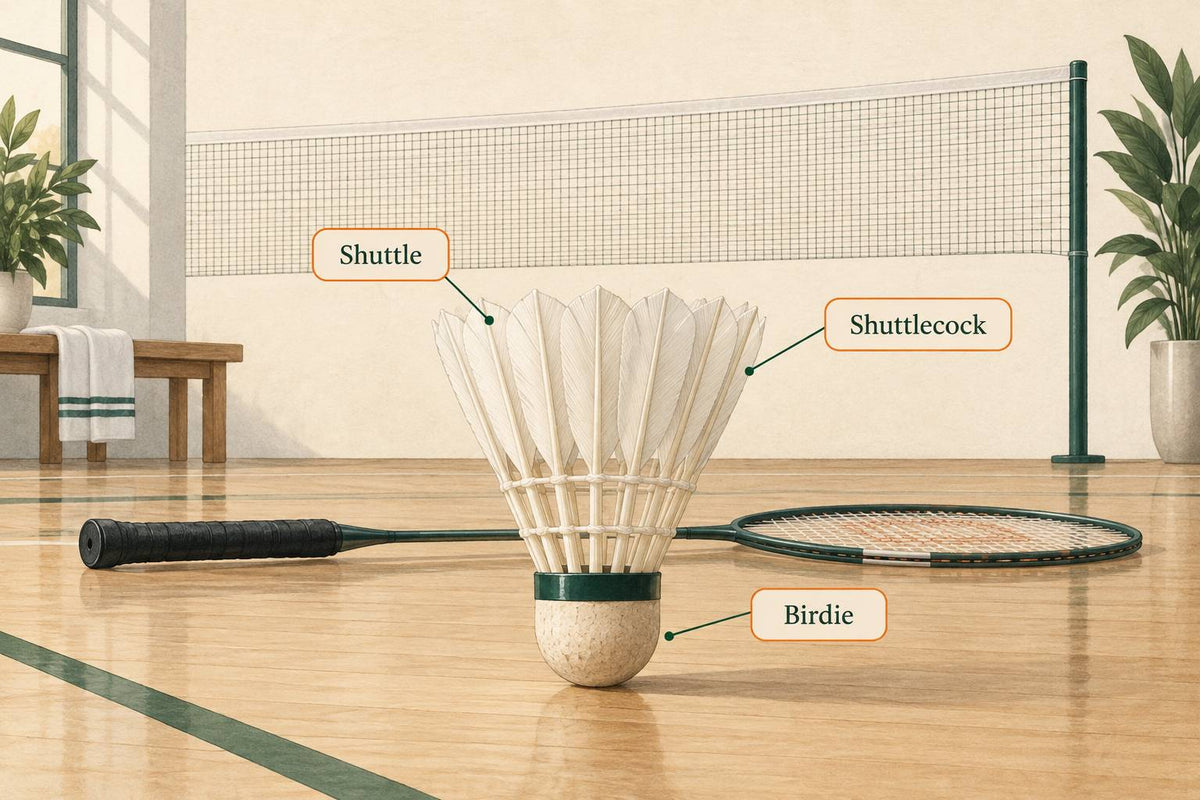
Birdie vs Shuttlecock: Where Badminton's Words Began
Where birdie and shuttlecock each came from, why the sport is named after a house instead of the object you hit, and what officials, coaches and the Laws of Badminton actually call it.

Badminton Shoe Toe Drag: Why the Big Toe Wears First
What repeated inner-toe wear can reveal about a badminton lunge, how to compare both shoes and when to inspect the upper or review your movement.
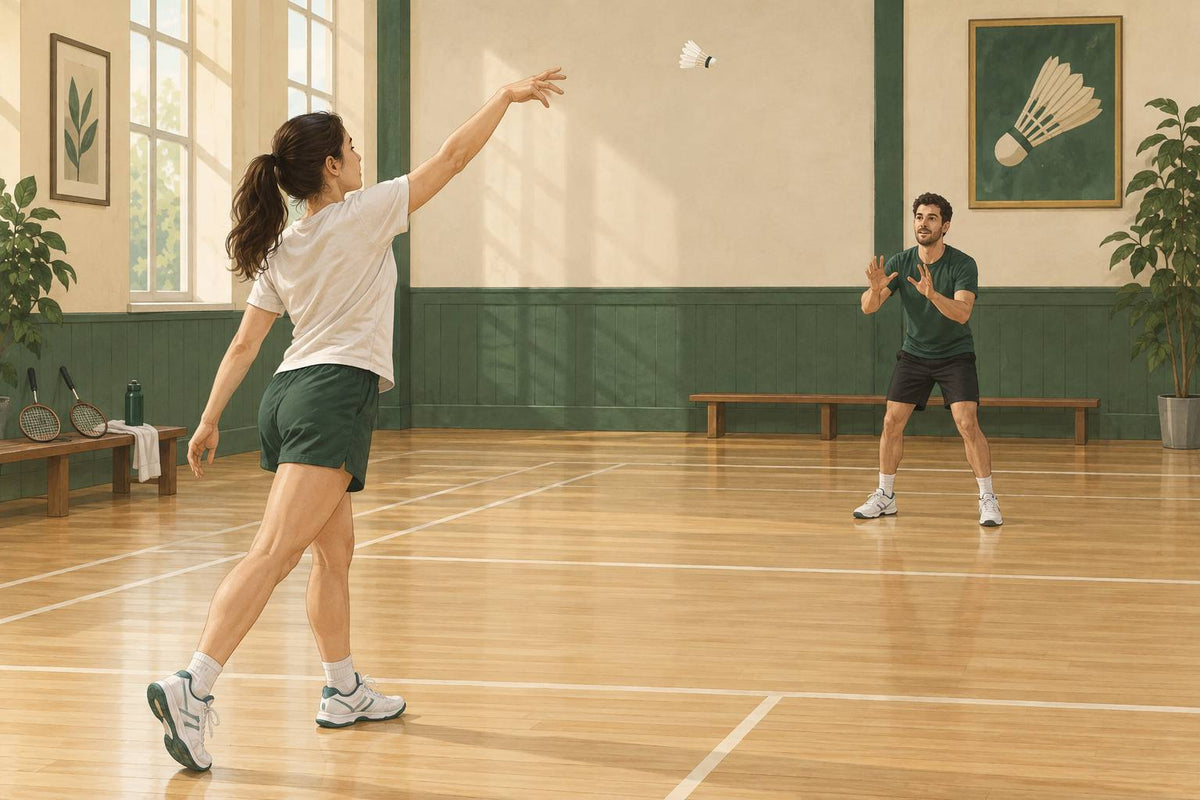
Badminton Overhead Progression: From Throwing to Hitting
A five-stage progression, grounded in BWF coaching material, that rebuilds a badminton overhead from an overarm throw to a moving stroke, with an entry point, a dose, a cue and a pass-or-fail exit ...
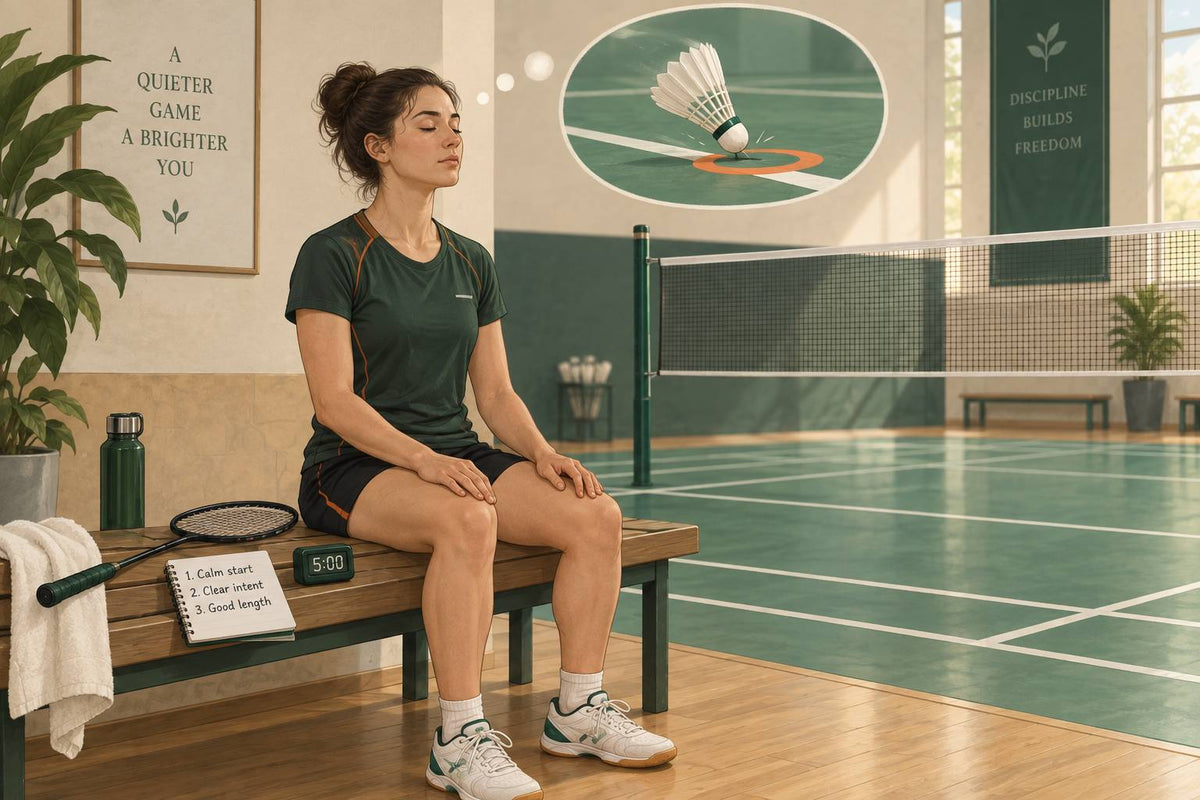
Badminton Mental Rehearsal: A Five-Minute Imagery Routine
A five-minute pre-match imagery script for badminton, three scenario templates for the moments that actually go wrong, and a two-week practice schedule built from sport psychology research on image...
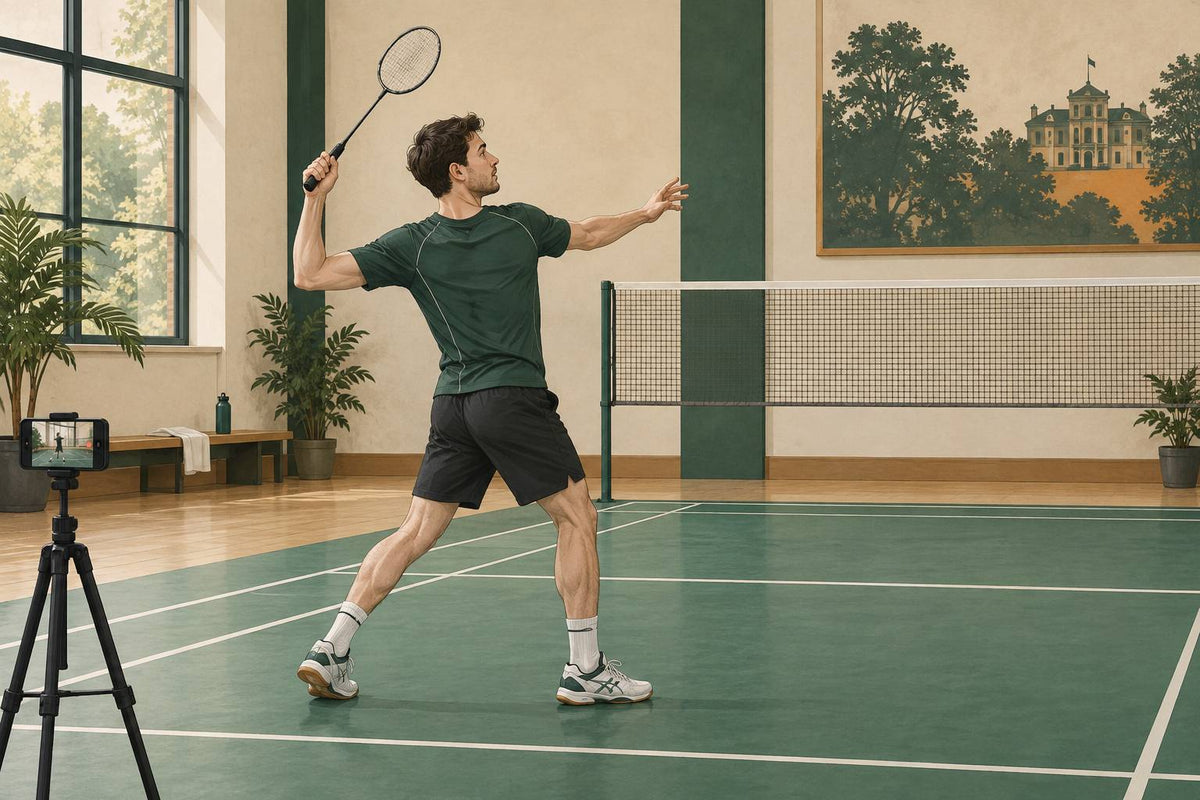
Elbow Position in Badminton: Drive It Forward, Not Just Up
Diagnose the badminton overhead fault of a lifted elbow instead of a driven one, using video checks from behind and the side, two feel drills grounded in the real swing sequence, and a shuttle-outc...
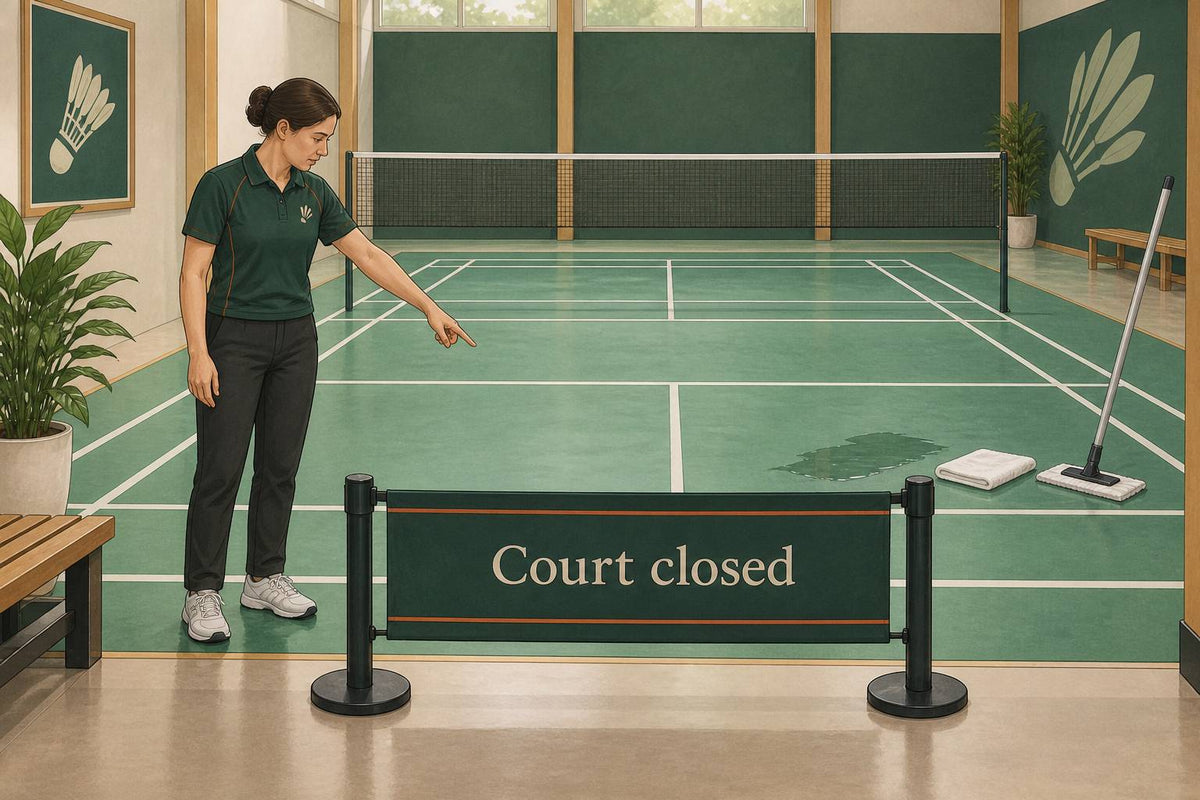
Slippery Badminton Court: Sweat, Damp Floors, Safe Play
How to distinguish dusty shoes from a wet or contaminated badminton court, stop play when traction is unsafe and ask the venue to restore a clean, dry surface.
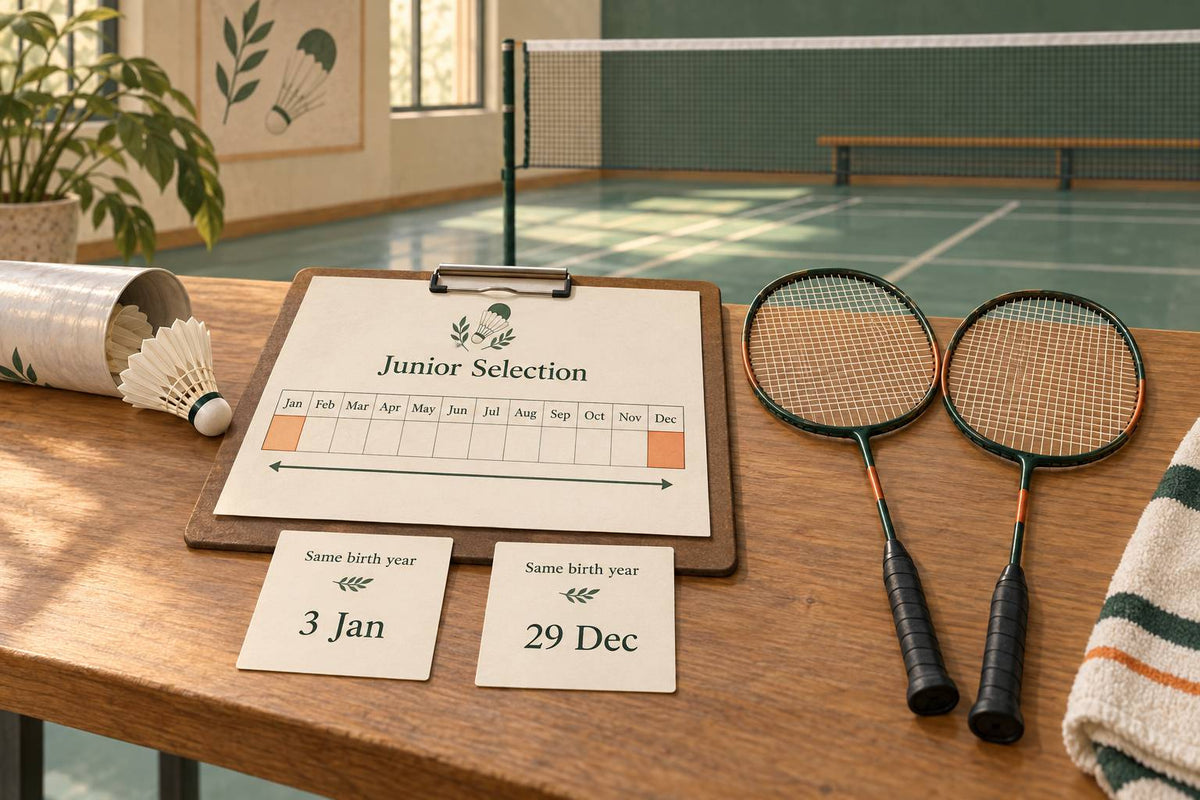
Relative Age Effect Badminton: Why Birth Month Skews Squads
Why children born early in a badminton selection year dominate junior squads, what the evidence actually shows, and three concrete ways coaches and parents can correct for it.

Badminton Training While Injured: What You Can Still Do
A region-by-region guide to what a sidelined badminton player can still train with an ankle, knee, shoulder or wrist injury, plus off-court skill work and a safe, gradual return to play.
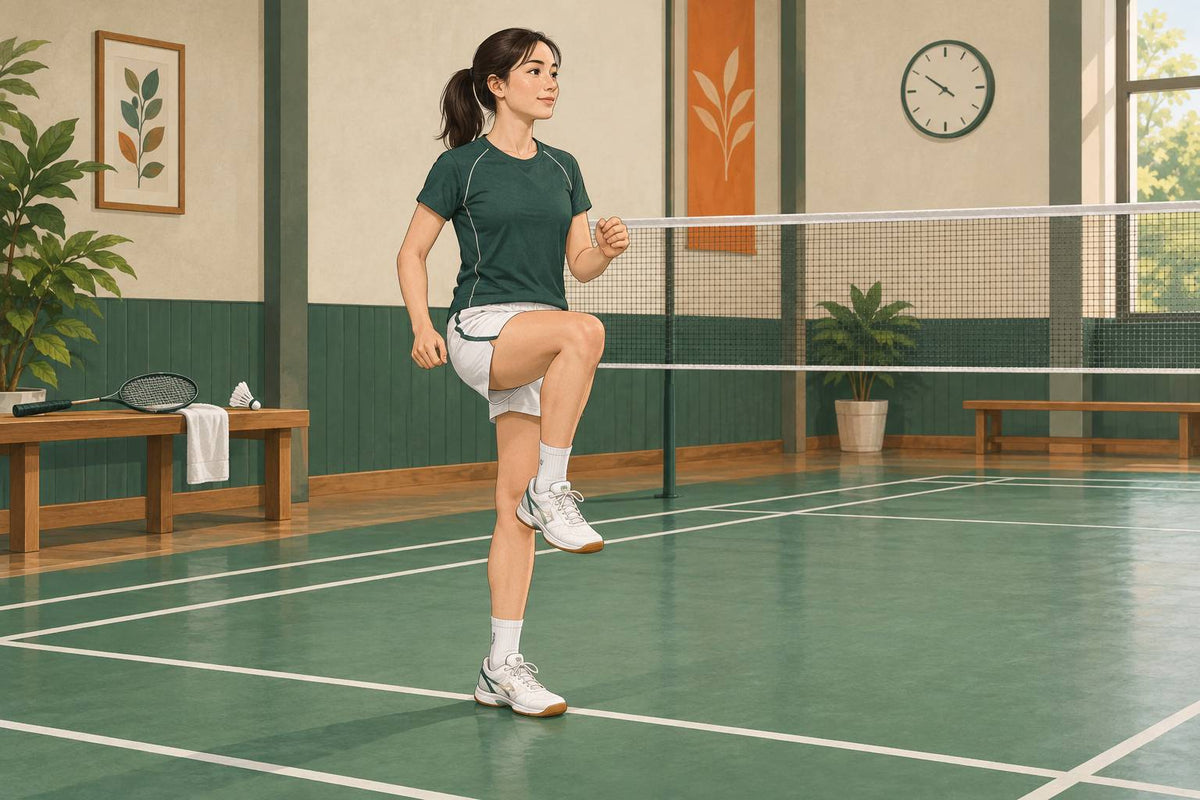
Static or Dynamic Stretching Before Badminton? Timing Matters
A duration-gated rule for stretching before badminton: dynamic movement and short static holds before play, long static holds after play and on non-training days, plus a 12-minute pre-play sequence.
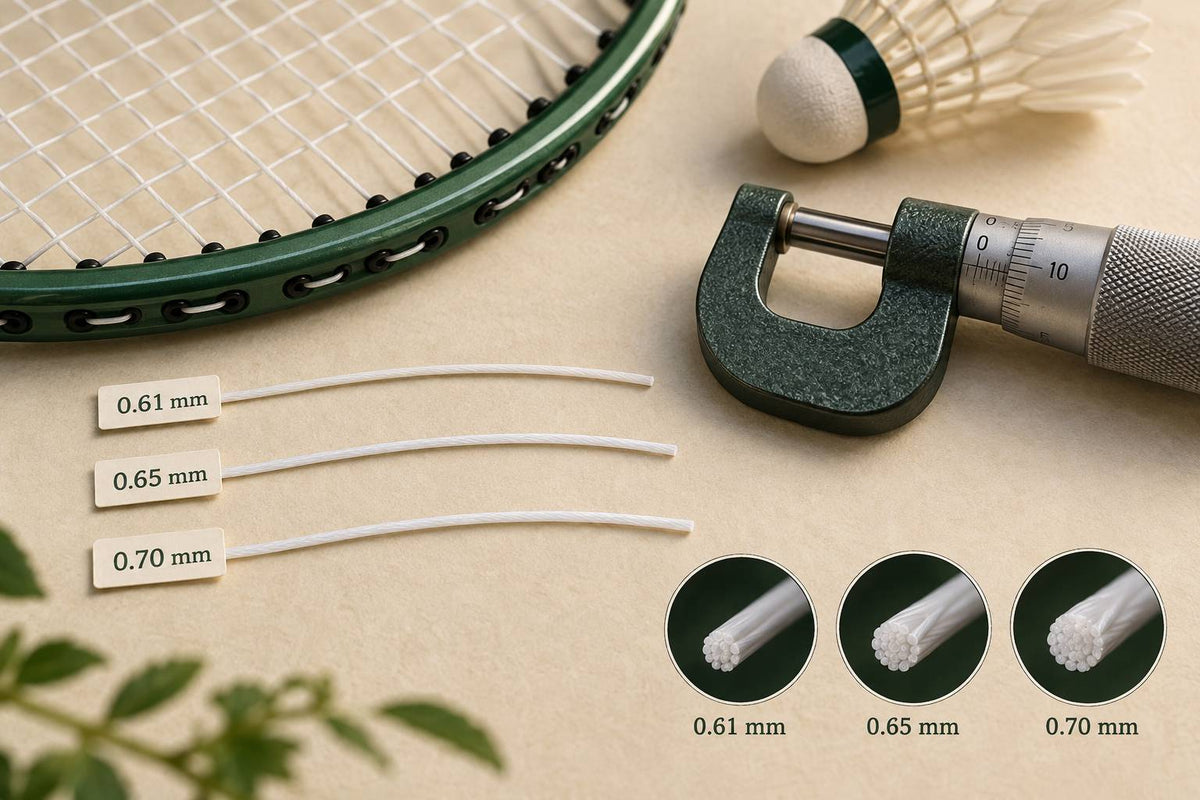
Badminton String Gauge Explained: 0.61 mm to 0.70 mm
Badminton string gauge (0.61-0.70 mm diameter) explained: what the number changes in feel, control and breakage, and how to pick a gauge from your own breakage history.
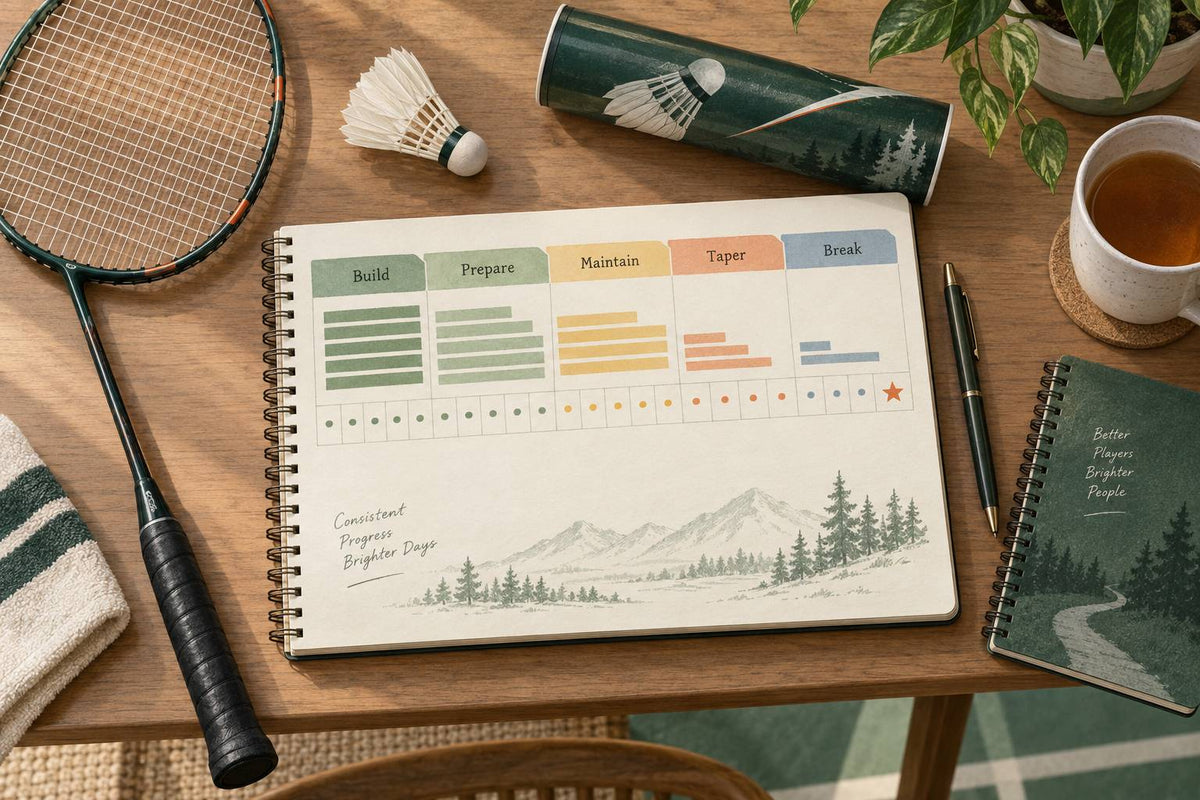
Badminton Season Plan: Pre-Season, In-Season and Taper
A five-block badminton season plan (off-season, pre-season, in-season, taper, break) with the training emphasis, a worked backward-from-event taper example, and the mistake to avoid in each block.

Badminton Defence Training Plan: A 6-Week Receive Block
A six-week badminton defence training plan with weekly shuttle counts, rest periods and one pass test per week, plus a compressed one-session-a-week version for players who can only book a single c...