

The Obstruction Rule: When Blocking Is a Fault
Badminton obstruction rule net guide: learn when a racket block is legal, when it faults, and how follow-through affects net disputes.
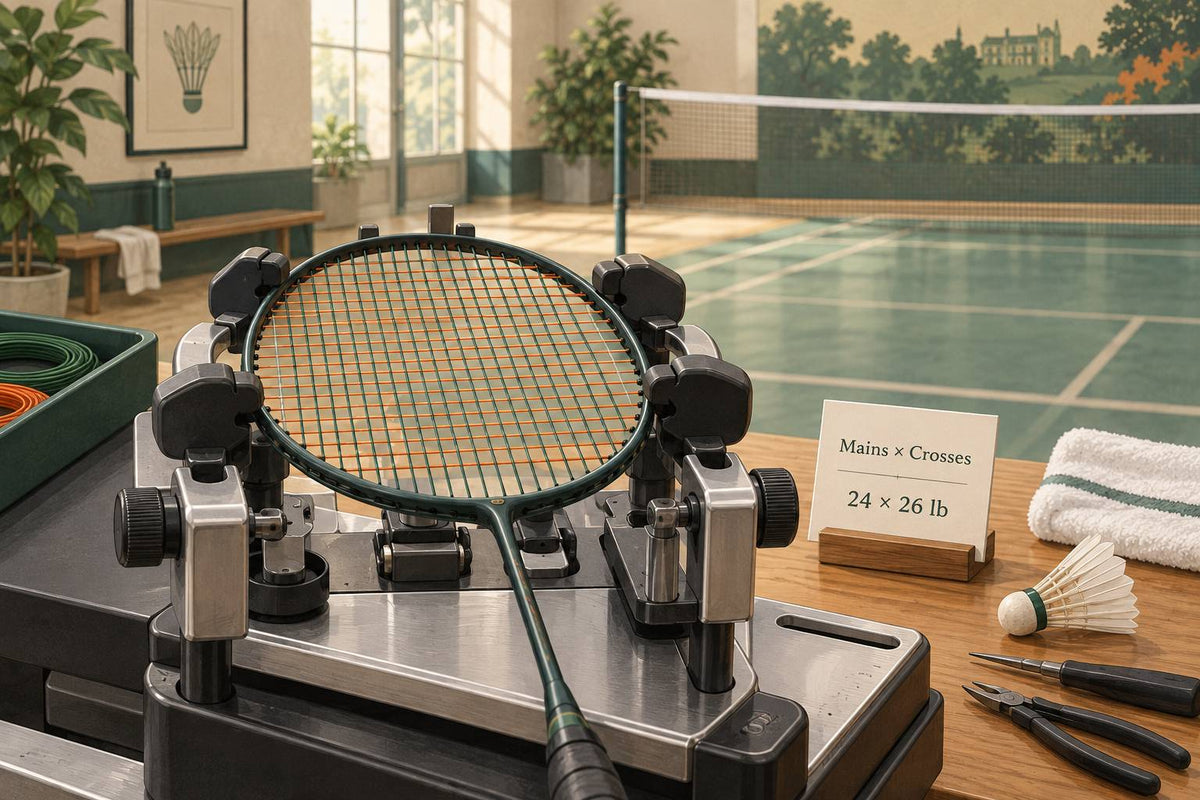
Why Crosses Are Strung Tighter Than Mains
Badminton mains crosses different tension? Learn why stringers raise crosses, how 24×26 works, and when to ask questions.

Growth Plate Injuries in Young Badminton Players
junior badminton growth plate injury guide: spot knee/heel warning signs, manage training load, and know when to seek help.

Badminton Burnout: Why Junior Stars Quit Before 18
Junior badminton burnout warning signs parents can spot early—fatigue, performance drops, pressure, and when training volume is too high.
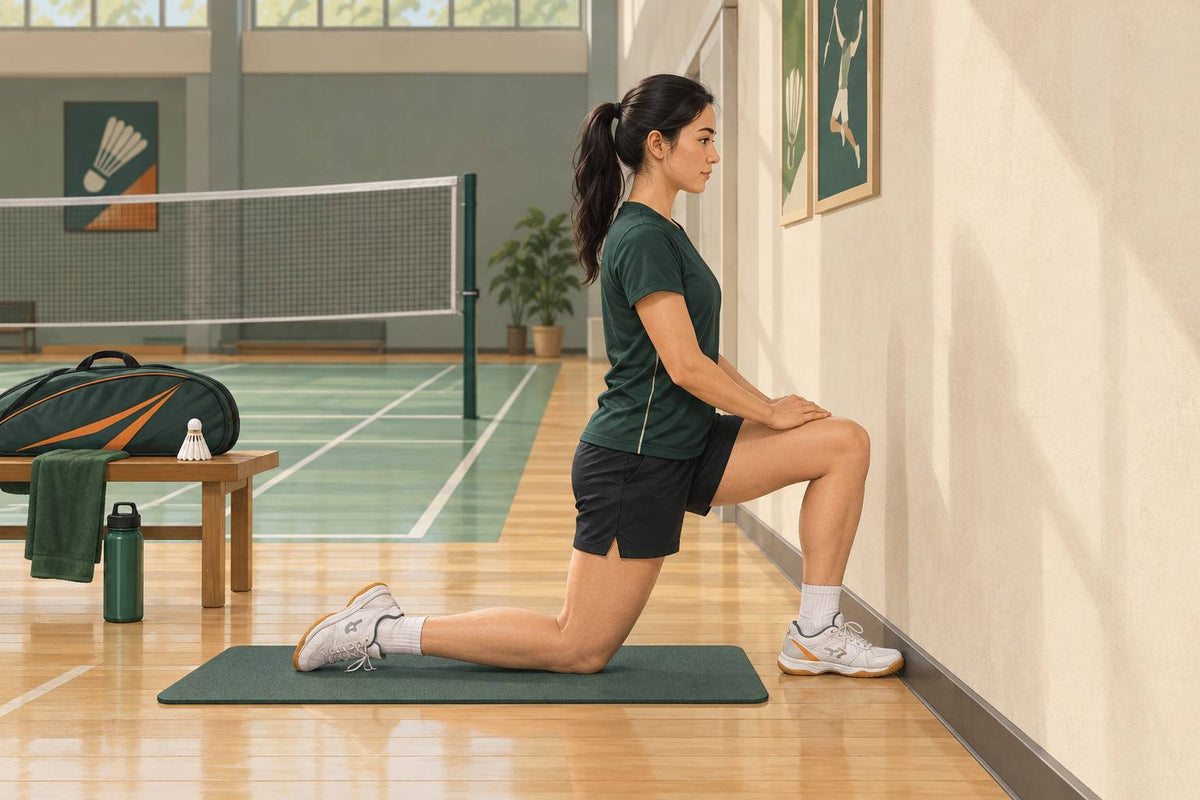
Hip and Ankle Mobility Training for Deeper Lunges
Badminton hip mobility drills for deeper lunges: assess ankles, build usable hip range, and progress over weeks without hurting performance.
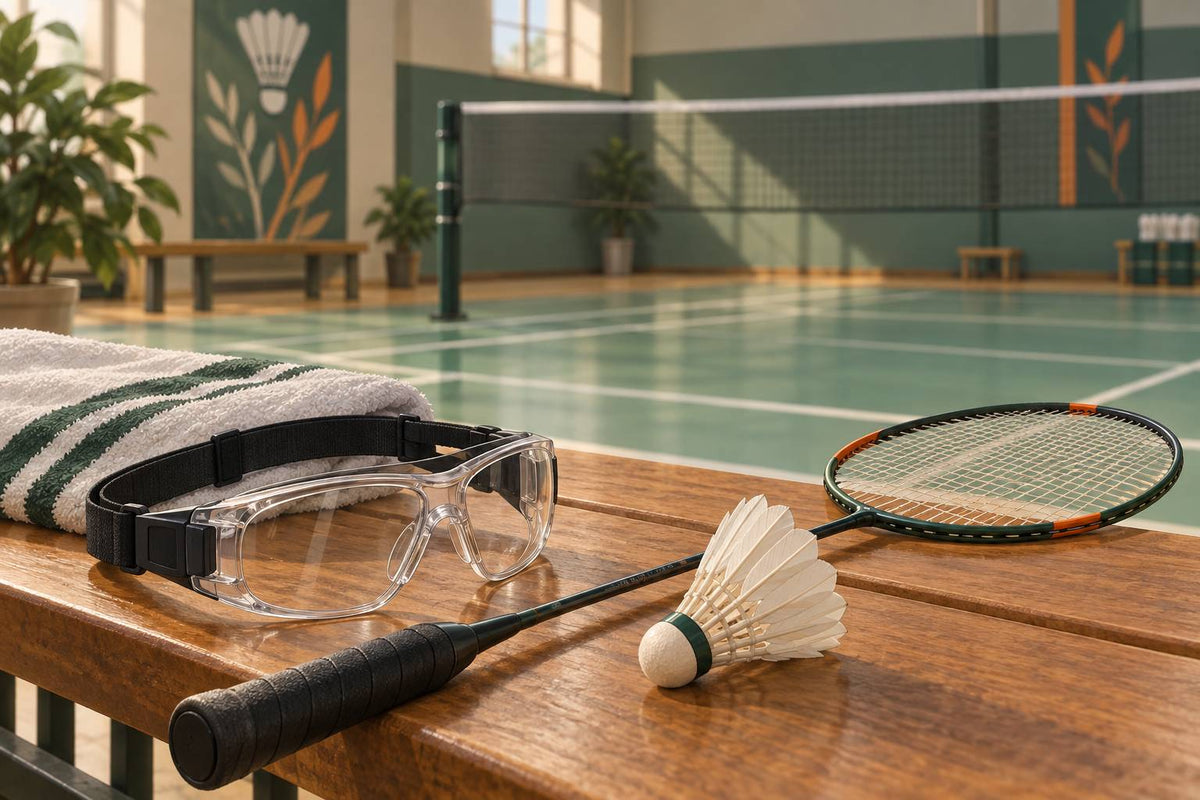
Badminton Eye Injuries: Do You Need Eyewear?
Badminton eye protection eyewear guide: learn shuttlecock risks, ASTM F803 protection, and when an eye hit needs urgent care.
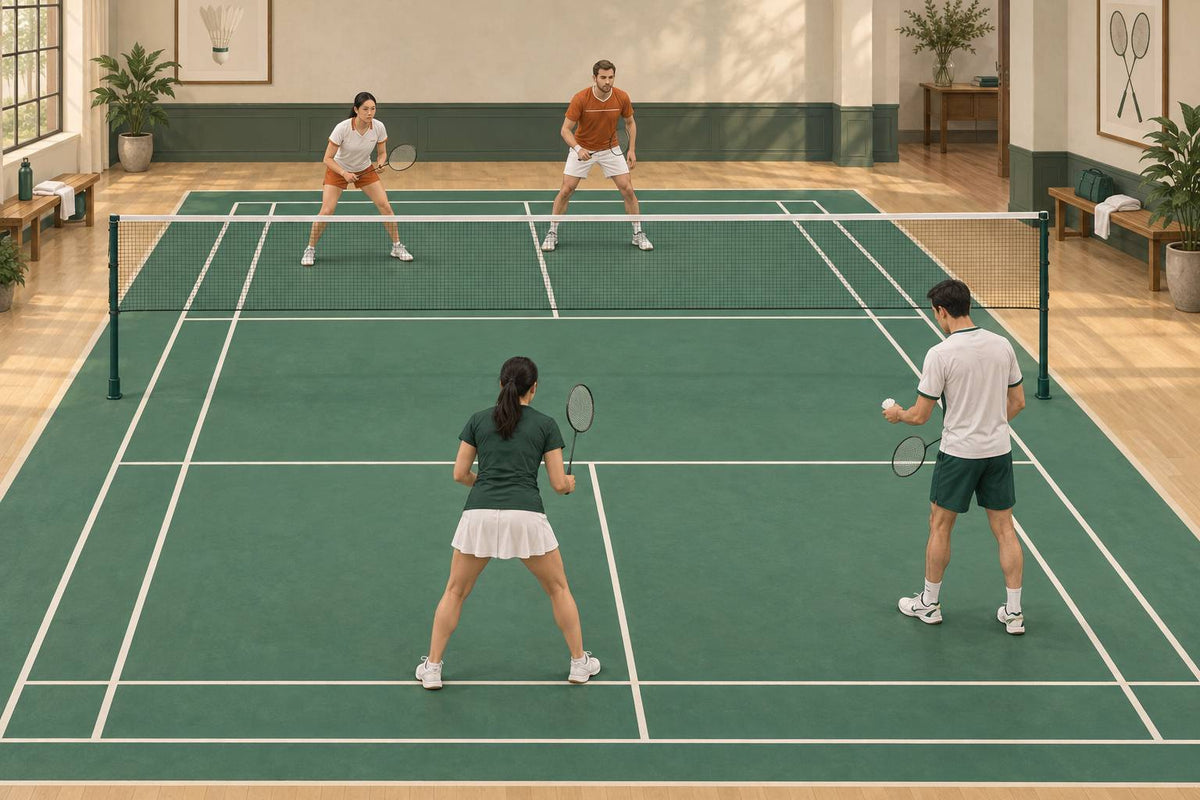
Where Can Your Doubles Partner Stand at Serve?
Badminton doubles partner position during serve: learn where partners may stand, what “unsight” means, and when it becomes a fault.

Why Doubles Players Prefer the Backhand Low Serve
Badminton doubles forehand serve history: why backhand low serves took over, what changed, and when forehand still works.

Thumb-Side Wrist Pain in Badminton: De Quervain's
badminton thumb wrist pain de quervain's: spot signs, understand grip risks, and learn prevention and care steps for thumb-side pain.
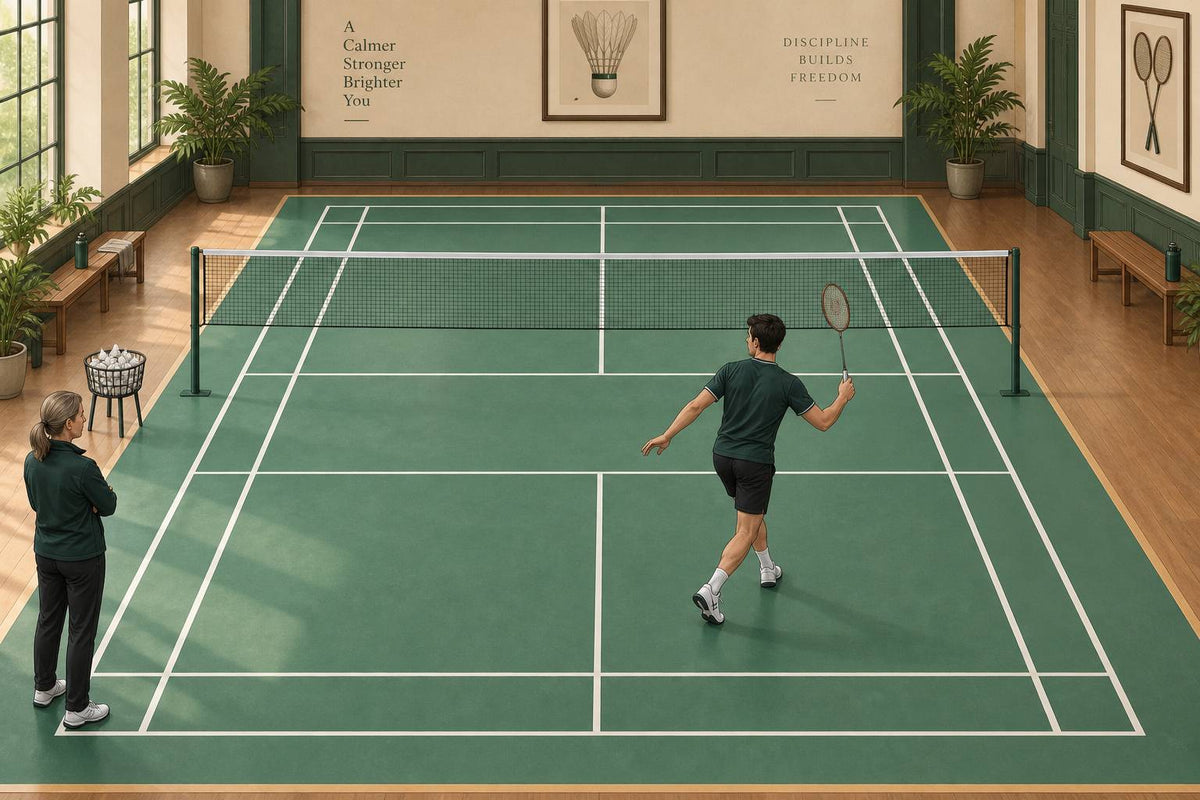
Is Crossing Your Feet Bad Badminton Footwork?
Badminton crossover step footwork explained: when crossing your feet hurts stability—and when it helps you cover court faster.
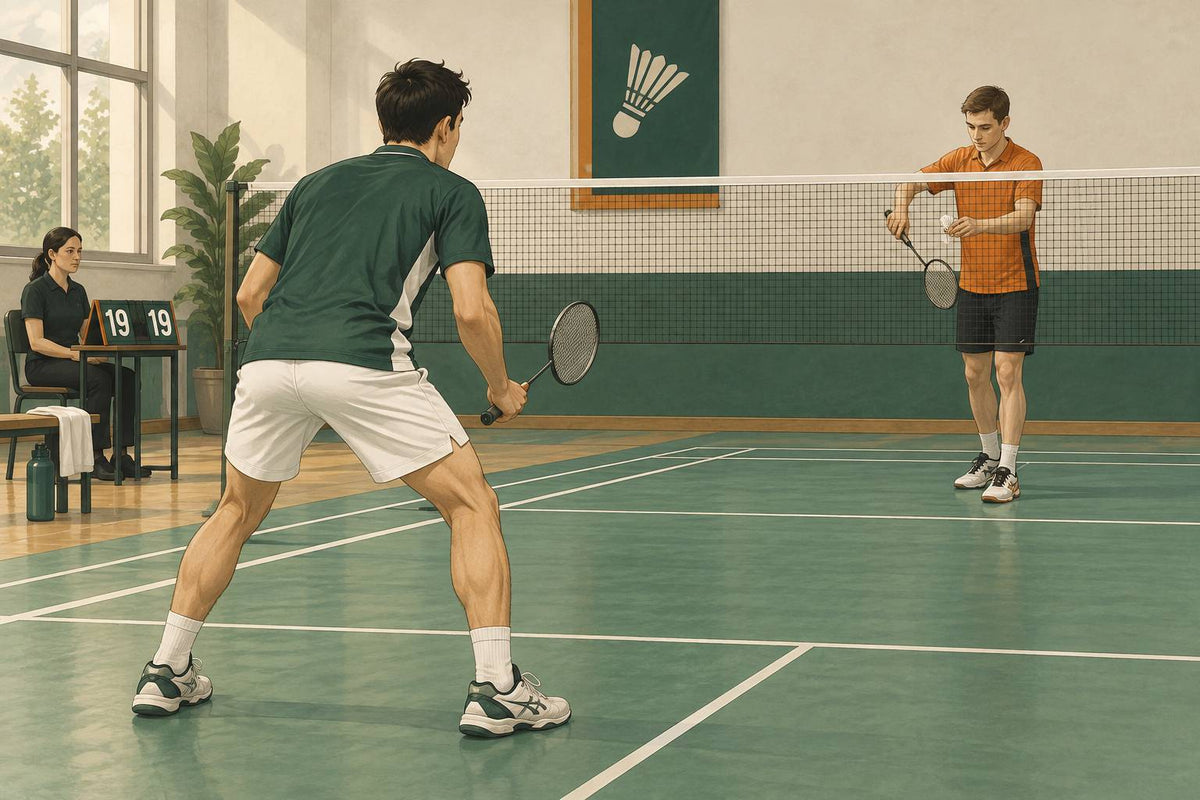
Why Good Players Miss Easy Points: Choking Explained
Badminton choking under pressure explained: why automatic strokes break down and what countermeasures actually target the mechanism.

BWF’s 25-Second Time Clock Trial Explained (2026)
badminton time clock rule 2026 explained: the 25-second BWF trial, what “ready” means, penalties, and how players adapt.