
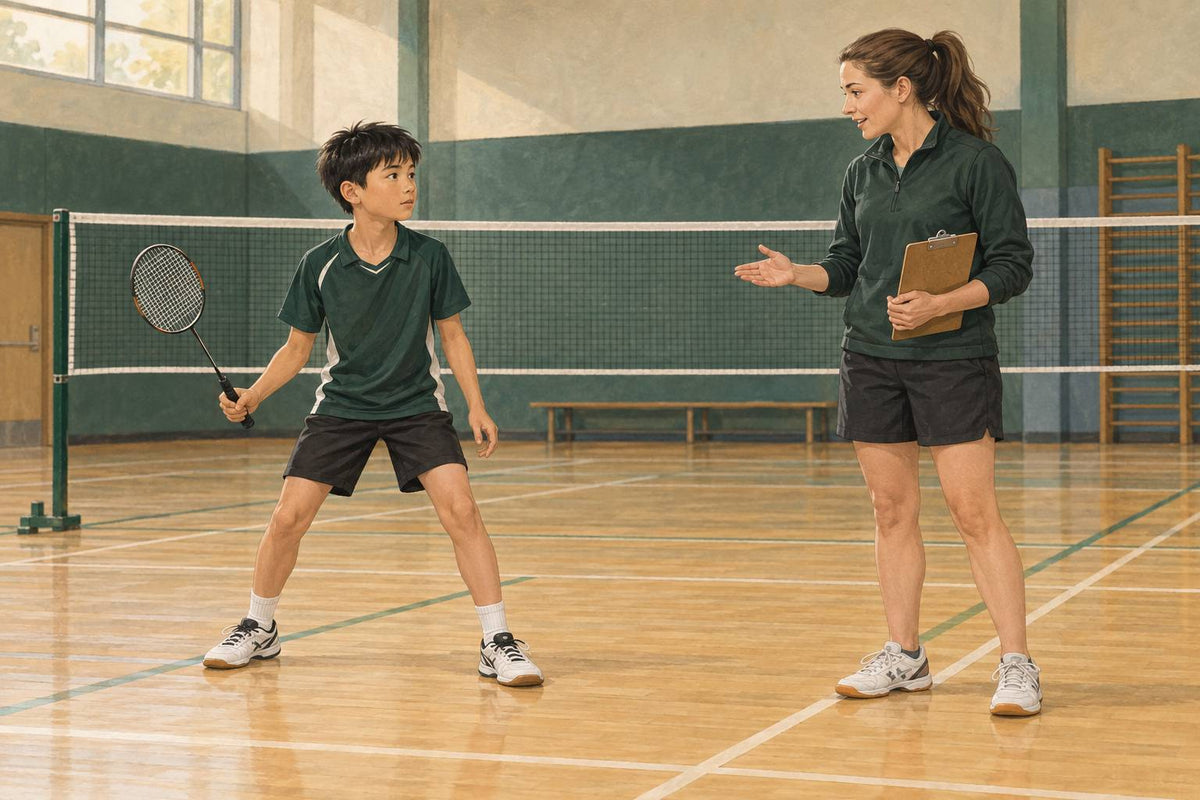
Last updated: July 2026 · Written by the team at Badminton House
Quick Answer: Badminton Summer Camp Canada
A badminton day camp gives juniors several consecutive days of coaching without an overnight stay. As a historical planning example, Badminton Alberta listed 4–5 day junior camps at $225–$375 CAD plus GST for summer 2026; check the next season’s fees, hours and availability before booking.
Day camp
Best default: the most common summer format, with enough repetition over a short week to help a junior build grip, footwork, and basic shot confidence.
Clinic
Choose this for year-round structured lessons, especially if your child needs steady practice before trying a full summer camp.
Overnight
Consider this only if your junior is ready for a week-long or longer immersive camp away from home.
Before registration, confirm the camp gear list. Clean indoor court shoes are the must-have item; see current footwear and our badminton shoes vs running shoes guide.
The good news: junior badminton camps across Canada tend to follow a clear pattern. Many summer programs are built around several consecutive days of practice, with younger or newer players working on grips, serves, strokes, footwork, rules, and game play, while stronger juniors may train with feather shuttles, match play, and more demanding movement drills.
This parent guide will help you choose a camp that fits your child’s level, understand what they are likely to learn, and pack the right essentials before the first morning on court.
Start with the one item most camps require. Clean non-marking indoor court shoes are a common must-have for junior badminton camp; browse badminton footwear in Canada before registration week.
In This Guide
- Badminton Summer Camp Canada Options: Day Camps, Clinics, and Overnight Camps
- What Juniors Actually Learn at Badminton Camp
- What Drills Will Your Child Do at Badminton Camp?
- How Parents Can Spot a Good Junior Badminton Camp
- What Does a Junior Badminton Camp Cost in Canada?
- What Should Your Junior Pack for Badminton Camp?
- Match Gear to Your Junior’s Level and Next Step
- Which Badminton Summer Camp Should You Choose?
Badminton Summer Camp Canada Options: Day Camps, Clinics, and Overnight Camps
Most junior programs are split by age and ability so that a brand-new player is not placed into the same training group as a tournament-track teen. For example, Badminton Alberta’s 2026 Badminton Academy camps in Calgary are divided into Child ages 8–12, Youth ages 13–17, and a Back to Training stream ages 13–17 for players with prior experience. Ontario clubs and academies use similar splits, often separating a novice-friendly essentials stream that trains with nylon shuttles from an intermediate-to-advanced skills-training stream that trains with feather shuttles.
Parent shortcut
Choose by training goal first: clinics are for steady weekly learning, day camps are for concentrated summer improvement, and overnight camps are for longer immersion away from the normal routine.
1. Year-round clinics and after-school lessons
Clinics are the most familiar entry point for many families. They usually run as weekly lessons or after-school programs rather than a full summer block, which makes them useful for children who are still trying the sport, balancing other activities, or building consistency before committing to a full camp week.
For beginners, the benefit is rhythm: your child gets repeated coaching without the intensity of several full days in a row. For developing juniors, clinics can keep footwork, stroke mechanics, and match habits active between school seasons, club sessions, or the next summer camp window.
If your junior is completely new, a clinic can be a low-pressure way to learn the court, basic rules, and how to follow coach-led group instruction. If they already play school badminton or community drop-in, a clinic can help them arrive at camp with enough foundation to enjoy the faster pace.
2. Badminton day camps: the most common summer format
Day camps are the option most parents picture when they think of badminton summer camp in Canada. A typical summer camp structure has children learning and practising consistently across 5 days, and that short burst of repetition can help skills settle faster than occasional play.
This format works especially well for juniors who like active days but are not ready for overnight travel. They go to the facility during the day, train with players around their age or level, then return home to rest. That daily recovery matters: badminton camp can involve a lot of lunging, changing direction, serving, rallying, and coached repetition.
Parents should look closely at how the day camp divides groups. Age bands are helpful, but level bands are often just as important. A 12-year-old who has never held a racket may need a very different group than a 12-year-old who already plays club matches.
| Canadian example | Age range | Best fit |
|---|---|---|
| Badminton Alberta Child camp | 8–12 | Younger juniors learning fundamentals in an age-appropriate group. |
| Badminton Alberta Youth camp | 13–17 | Teen players who need a junior environment built around their age group. |
| Badminton Alberta Back to Training stream | 13–17 | Teens with prior badminton experience who are ready for a more training-focused setting. |
3. Overnight camps and longer immersion
Overnight badminton camps are less about a single lesson and more about immersion. Instead of training for a few hours and heading home, juniors spend a week or longer in a camp environment where badminton is part of the daily rhythm.
This can be a strong fit for older juniors who are comfortable away from home, enjoy being around other motivated players, and want a focused block of training. It is usually not the first step for a child who is unsure whether they like badminton yet. For a first-timer, a clinic or day camp is often easier to test.
For parents, the key question is readiness: can your child manage a structured schedule, group expectations, meals, sleep, and recovery away from home? If yes, a longer camp can build independence as well as badminton confidence.
How to match the format to your junior
- New to badminton: Start with a clinic or beginner-friendly day camp where the pace allows basic grip, movement, and rules to feel manageable.
- Plays casually at school or drop-in: A 5-day day camp can turn scattered experience into more consistent habits.
- Already training or competing: Look for level-based groups, prior-experience streams, or programs using feather shuttles rather than only age-based placement.
- Needs local playing options before or after camp: Check nearby club and court guides, such as Calgary, Markham and Scarborough, Vancouver, or Halifax.
What Juniors Actually Learn at Badminton Camp
A good junior badminton camp is not just open gym time. Most programs use the week to build real badminton habits: how to hold the racket, how to move to the shuttle, how to serve legally, how to play points, and how to behave safely and respectfully on court.
| Camp level | What juniors usually work on | Parent takeaway |
|---|---|---|
| Beginner / novice | Basic grip, serves, overhead and underhand strokes, clears, drops, net shots, court footwork, rules, etiquette, coordination, agility, mobility, and modified games. | Expect lots of repetition and simple gameplay. The goal is control, movement, confidence, and understanding how a rally works. |
| Intermediate / advanced | Competitive matches, ladder play, tactical shot selection, structured footwork drills, multi-shuttle drills, and more demanding work on clears, drops, drives, net play, and smashes. | Expect a more training-like environment. The goal is consistency, precision, power, stamina, and better decisions under pressure. |
Beginner camp: building the foundation
For newer juniors, camp should make badminton feel less random. Instead of simply chasing the shuttle, kids learn where to stand, how to recover after each shot, and how to use the right stroke for the right situation.
- Grip: coaches introduce basic racket grip so juniors can hit forehand, backhand, overhead, and underhand strokes with better control.
- Serves: juniors practise starting rallies properly, including simple serve control and target placement.
- Overhead strokes: clears and drops help kids understand height, length, timing, and touch.
- Net play: net shots teach soft hands and control close to the tape.
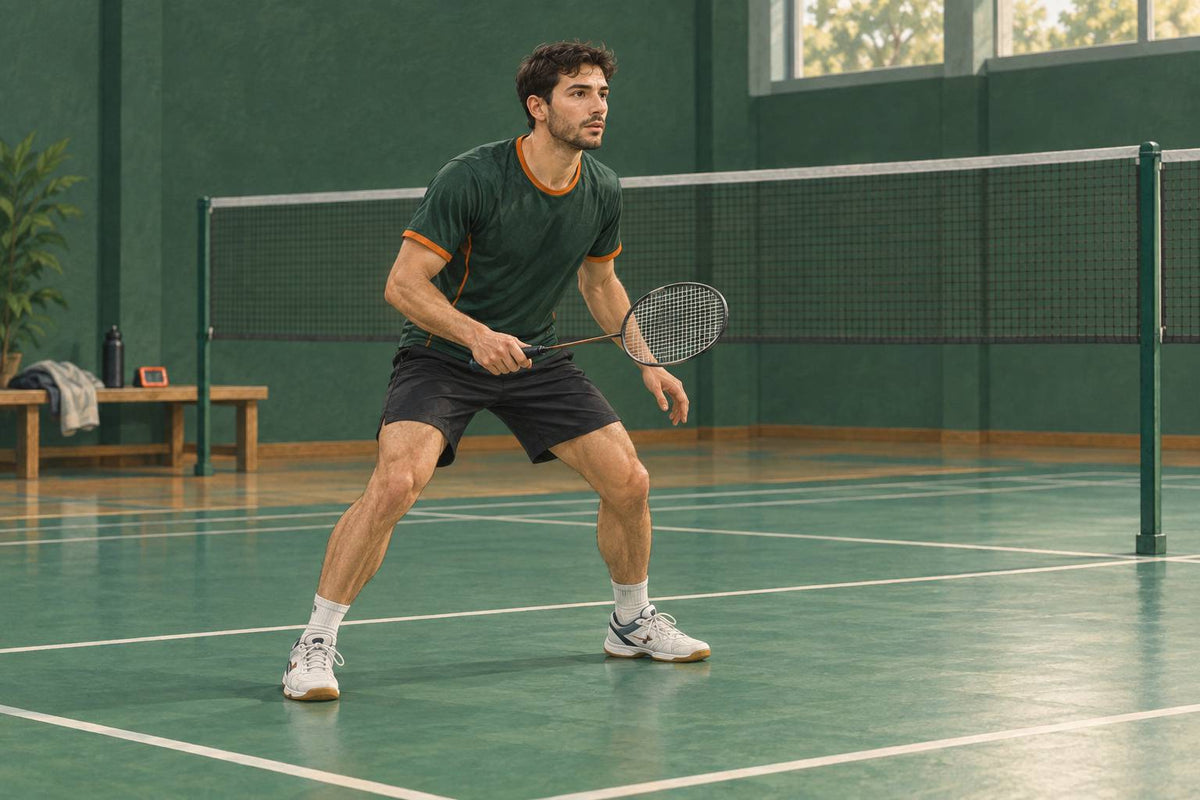
- Footwork: basic movement patterns help juniors get to the shuttle earlier and recover to a better court position.
- Rules and etiquette: campers learn how scoring works, whose serve it is, how to call lines, and how to share a court respectfully.
- Modified games: simplified rallies and small games keep younger players engaged while still reinforcing real badminton skills.
If your child is new, do not worry if they are not smashing by the end of the week. A camp that spends real time on clears, drops, net shots, footwork, rules, and gameplay is doing the right work. Those basics are what allow a junior to enjoy club play, school teams, and future lessons.
Helpful follow-up reading for newer juniors: how to hold a badminton racket, how to serve, and badminton rules and scoring.
Advanced camp: training decisions, pace, and consistency
For experienced juniors, the camp should feel more like structured training than a general activity week. The technical skills are still there, but the focus shifts toward doing them faster, more accurately, and in realistic rally situations.
- Shot selection: juniors learn when to clear, drop, drive, net, or smash instead of hitting the same shot every time.
- Singles and doubles strategy: players start connecting technique to tactics, including how rallies differ in singles and doubles.
- Ladder play: match-style formats let juniors test skills against different opponents and adjust under pressure.
- Multi-shuttle drills: repeated feeds build stamina, faster recovery, and more consistent technique.
- Precision and power: players refine clears, drops, drives, net play, and smashes with a stronger focus on placement and repeatability.
This is where a junior begins to understand that badminton is not just about hitting hard. Good players choose the right shot, move efficiently, recover quickly, and stay composed through long rallies.
For juniors moving beyond beginner camp, parents may also want to read singles vs doubles strategy, badminton footwork basics, and the junior badminton pathway in Canada.
What Drills Will Your Child Do at Badminton Camp?

If your child comes home saying they “mostly did footwork,” that is usually a good sign. Footwork is the cornerstone of badminton because it lets players move quickly and efficiently around the court instead of reaching, lunging late, or relying only on arm strength.
For junior campers, the goal is not to smash harder on day one. Beginners should focus on accuracy, control, clean contact, and repeatable movement before adding power. A well-run camp will usually mix movement drills, serve practice, simple rallies, and games so kids learn without feeling like they are doing the same thing all day.
Parent takeaway
Structured coaching can speed up learning because a coach can correct grip, contact point, foot placement, and timing in real time. Many basic drills can also be practiced without a coach, which makes summer camp a strong starting point for habits your junior can keep building at home or at club drop-in.
| Drill | What it teaches | What parents may notice |
|---|---|---|
| Corner-to-corner footwork | Moving between court corners with better balance and recovery. | Your child may talk about being tired even without hitting many shuttles. That is normal: efficient badminton movement is a skill on its own. |
| Ladder drills | Quick feet, coordination, agility, and rhythm. | These can look like general athletic training, but they support the fast split steps and short adjustments badminton requires. |
| High and low serve practice | Starting rallies with control, height, and placement instead of rushing the serve. | Beginners may spend a lot of time serving slowly. That repetition matters because the serve starts every rally. |
| Target-practice serving | Accuracy and consistency under simple pressure. | Coaches may use cones, zones, or marked areas so juniors learn to aim rather than just get the shuttle over. |
| Shadow badminton | Practicing strokes and movement patterns without hitting a shuttle. | It can look strange at first, but it helps juniors build the movement pattern before adding the timing challenge of a real rally. |
| Wall or partner rally drills | Clean contact, patience, control, and keeping the shuttle in play. | The coach may count consecutive hits or ask players to keep rallies slow and controlled rather than fast and wild. |
Why footwork shows up so often
Badminton rewards players who arrive early to the shuttle. When juniors move late, they usually compensate by flicking the wrist, twisting awkwardly, or hitting off-balance. Footwork drills teach them to recover to a ready position, cover the next shot, and hit with more control.
If your child is new to the sport, you can reinforce this at home by praising balance and control rather than only winners. A junior who learns to move smoothly will have an easier time adding clears, drops, drives, net shots, and smashes later.
For a deeper parent-friendly explanation, see our guide to badminton footwork basics.
Why serve drills matter for beginners
Serving is one of the easiest skills for parents to underestimate. A good junior camp may spend meaningful time on high serves, low serves, and serving to targets because controlled serving helps kids start rallies confidently instead of giving away free points.
For beginners, the right serving goal is simple: land the shuttle in the correct area with a repeatable motion. Power is not the priority. Accuracy and control should come first.
If your child wants to practice between camp days, our low and high serve guide gives a simple next step.
How to tell if drills are being coached well
The best junior drills are not just “run faster” or “hit harder.” Watch for coaching cues like ready position, recovery, relaxed grip, clean contact, and controlled placement. Juniors should also get enough repetition to learn the pattern, not just a quick demo followed by a game.
- Good sign: coaches correct movement and contact point, not only the final shot result.
- Good sign: beginners are asked to aim, rally, and stay balanced before adding speed.
- Good sign: drills are matched to level, so newer juniors are not overwhelmed and stronger juniors are still challenged.
- Good sign: games or match play are used to apply the drill, not replace skill work entirely.
Camp-to-home tip. If your junior enjoyed rally or serve drills, a fitted racket and a few practice shuttles can help them keep the habit going. Browse current badminton rackets and shuttlecocks when you are ready to set up their practice kit.
How Parents Can Spot a Good Junior Badminton Camp
Parent shortcut: if your junior is new to the sport, prioritize clean indoor shoes, a supportive coach, and a level-appropriate group before buying advanced gear. If shoes are on your list, start with badminton footwear.
1. Look for certified, badminton-specific coaching
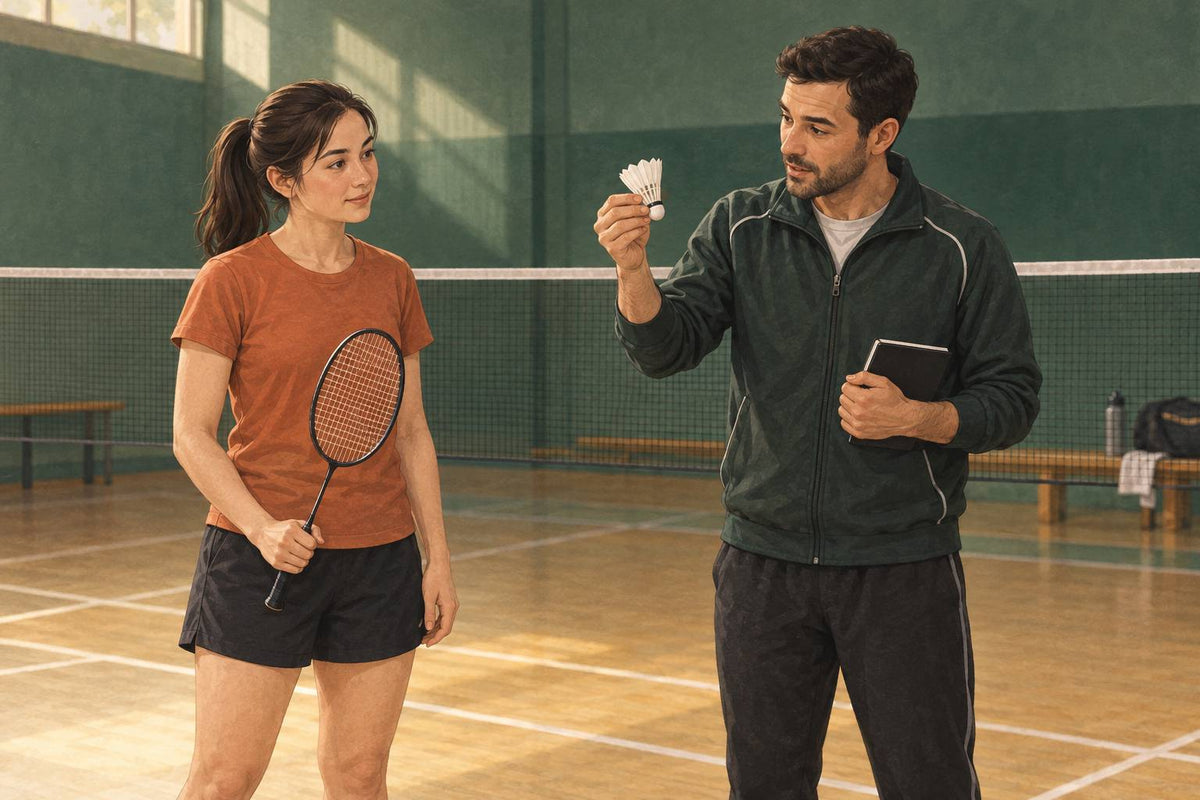
Coaching quality is the first signal to check. For example, Badminton Alberta’s summer camps are led by NCCP-certified coaches in a supportive and engaging environment. That matters because junior camp is not just open gym time: kids are learning grip, footwork, stroke patterns, rules, etiquette, and how to move safely on court.
Parents do not need to become coaching experts, but you can ask simple questions: Who leads the sessions? Are coaches certified or experienced with juniors? Are assistants present when groups are larger? Does the camp separate instruction from free play so kids actually learn?
2. Make sure the level tiers are specific
A quality camp should not place every junior into one giant mixed group. Strong programs usually describe level tiers clearly, such as beginner, novice, intermediate, advanced, recreational, competition, or back-to-training groups. You do not need a perfect label; you need enough detail to know whether your child will be challenged without being overwhelmed.
If your child is brand new, look for language around fundamentals: grip, serving, basic strokes, court movement, rules, and modified games. If your child already competes or trains regularly, look for structured drills, match play, ladder play, tactical work, and stamina-building sessions. For a longer view of the junior development path, see our Junior Badminton Canada pathway guide.
3. Ask about group size, caps, and waitlists
Ask for the maximum group size, players per court and coach-to-player ratio. A registration cap is only useful if the camp has enough courts and coaches to give each child regular practice and feedback.
When you compare camps, ask how many players share each court, whether groups are capped, and what happens if registration fills. A waiting list can actually be a positive sign: it usually means the program is protecting the quality of the session rather than overloading the gym.
| Quality signal | What to ask before registering | Why it matters |
|---|---|---|
| Certified coaching | Are the coaches certified or experienced with junior badminton? | Beginners need correct fundamentals early, especially grip, footwork, and safe movement. |
| Clear level tiers | Is this camp for first-timers, developing players, or competitive juniors? | A child improves faster when the pace and drills match their current level. |
| Group caps | How many juniors are in each group, and how many share a court? | Smaller groups make it easier for coaches to correct technique and keep kids moving. |
| Supportive environment | How does the camp handle nervous beginners or mixed ability within a group? | Kids stay motivated when they feel safe asking questions and making mistakes. |
| Loaner racquet option | Can first-timers borrow a racquet if they do not own one yet? | Some recreational camps provide a racquet for campers who do not own one, which helps families avoid rushing into the wrong purchase. |
4. Watch for a supportive learning culture
For juniors, especially beginners, the tone of the camp matters as much as the content. A good camp should make it normal to miss shots, restart drills, ask questions, and improve gradually. If the description only talks about winning matches, it may not be the best fit for a child who is still building confidence.
You can usually spot a supportive environment by the way the camp describes its goals. Look for words around fundamentals, skill development, modified games, teamwork, etiquette, and fun. For competitive juniors, look for a balance: structured intensity without turning every session into pressure-only match play.
5. Do a quick gear reality check before paying
Before registering, confirm the required kit so there are no surprises on the first morning. Many camps expect a racquet, water bottle, athletic clothing, and clean indoor court shoes. Shoes are the non-negotiable item because gyms typically require clean, non-marking indoor footwear; if you are comparing options, our badminton shoes vs running shoes guide explains why court shoes matter for badminton movement.
If your child is still growing or just trying badminton for the first time, keep the gear simple. A comfortable beginner-friendly racquet and proper shoes are more useful than buying advanced equipment too early. When your junior is ready to upgrade, our junior badminton racket guide can help you match racket size, weight, and playing level.
What Does a Junior Badminton Camp Cost in Canada?
For summer 2026, Badminton Alberta listed its five-day Child camp (ages 8–12) at $281.25 CAD and Youth camp (ages 13–17) at $375.00 CAD, plus GST. These are past-season examples, not current booking offers; compare both total fees and coaching hours when reviewing a new camp.
| Sample Canadian camp | Age band | 5-day price | 4-day price | Tax note |
|---|---|---|---|---|
| Badminton Alberta 2026 Child camp | 8–12 | $281.25 CAD | $225.00 CAD | GST added at checkout |
| Badminton Alberta 2026 Youth camp | 13–17 | $375.00 CAD | $300.00 CAD | GST added at checkout |
Ontario pricing can look different because subsidies and discount structures may apply. Some Ontario clubs have offset junior camp fees with grants such as Ontario Trillium Foundation funding, and add-ons like extended-hour care are usually billed separately per week. Some Ontario academies also run summer schedules from July into early September, with full-week and early-bird discounts available.
Registration notes for parents
- Check whether the listed price is before tax. In the Alberta example above, GST is added at checkout.
- Look for subsidy language. A subsidized camp may reduce the posted program fee or make add-ons more manageable.
- Confirm care hours before registering. If you need early drop-off or late pickup, treat extended care as part of the real weekly cost.
- Ask about discount deadlines. Full-week and early-bird discounts can matter if you are booking multiple weeks or registering siblings.
- Register early when groups are capped. Some Canadian junior camps close registration when a group fills and then move families to a waiting list.
If your child is moving from camp into regular lessons, league play, or tournaments, it can also help to compare camp fees against the longer junior pathway. See our guide to junior badminton in Canada for the next-step picture after summer camp.
What Should Your Junior Pack for Badminton Camp?

Before the first morning of camp, check the registration email carefully. Canadian junior badminton camps commonly ask campers to bring a badminton racquet, water bottle, clean indoor court shoes, athletic attire, and lunch when lunch is not provided.
Camp Bag Essentials
- Badminton racquet: Bring your child’s own racquet if they have one. Some recreational camps provide a loaner if a first-timer does not own one, but bringing their own helps them get used to the same grip, weight, and string feel each day. See current options in badminton racquets.
- Clean indoor court shoes: This is the item parents should not skip. Camps require clean indoor shoes to protect the gym floor and give juniors better grip for lunges, split steps, and side-to-side movement. Browse indoor badminton shoes.
- Water bottle: Choose one your child can refill easily. A five-day camp usually means repeated drills, games, and footwork sessions, so hydration matters.
- Athletic attire: Pack comfortable shorts or track pants and a breathable shirt suitable for running, lunging, jumping, and stretching indoors.
- Lunch and snacks: If the camp does not provide lunch, send enough food for a full activity day. Add a simple snack your child can eat quickly between sessions.
- Optional practice shuttles: Camps usually organize their own shuttles, but a tube of nylon or feather shuttles can be useful for extra practice at home or club drop-in. Check current shuttlecock inventory.
Shoes for camp. Choose non-marking indoor court shoes that fit your child securely at the heel and leave comfortable toe room. An adult model is only suitable if its size and shape fit; ask the camp about footwear requirements. Badminton House ships within Canada.
One practical parent tip: label the racquet cover, water bottle, and shoe bag. Camp days move quickly, and juniors often have similar-looking gear lined up beside the same courts.
Match Gear to Your Junior’s Level and Next Step

The best camp gear choice depends on the level your child is entering, not just their age. Many novice-to-intermediate essentials-style camps use nylon shuttles because they last longer through repetition, while intermediate-to-advanced skills training may use feather shuttles to better match competitive flight and touch.
| Camp level | What to prioritize | Parent next step |
|---|---|---|
| First camp or recreational beginner | Clean indoor court shoes, athletic clothing, a water bottle, and either a borrowed racket or a simple junior-friendly racket. | Do not overbuy before the first week. If the camp provides loaner rackets, let your child try the sport first, then choose a racket that fits their size and swing. |
| Novice-to-intermediate essentials camp | A comfortable racket, proper non-marking shoes, spare grip, and nylon shuttles for extra practice at home or with siblings. | Browse badminton rackets and shuttlecocks, then use the junior racket guide to avoid choosing a frame that is too heavy or too demanding. |
| Intermediate-to-advanced skills training | A racket that matches the player’s style, reliable strings and grip, court shoes that can handle repeated lunges, and feather shuttles if the program trains with them. | Start thinking beyond camp: private coaching, club training, local tournaments, and the Canadian junior badminton pathway if your child wants more structured competition. |
If camp is your child’s first real exposure to badminton, the goal is simple: make sure they are safe, comfortable, and excited to play again. If they come home asking about better clears, faster footwork, or tournament play, that is the moment to match their gear more carefully to their next step.
Badminton House ships across Canada, which can help when you are buying multiple camp essentials at once. If you are not sure whether your junior needs a starter racket, a lighter upgrade, nylon shuttles, feather shuttles, or just better footwear, contact Badminton House for personalized advice before you buy.
Which Badminton Summer Camp Should You Choose?
Use the camp format first, then narrow by level. In Canada, junior options can range from year-round clinics to 5-day summer camps to overnight programs, so the best choice depends on your child’s schedule, confidence, and training goal.
| Choose this option | Best fit | Parent check before registering |
|---|---|---|
| After-school clinic | A junior who needs a steady, structured environment through the year. | Ask how players are grouped by level and whether the sessions build skills progressively. |
| Day camp | Most families looking for a focused summer option; 5-day camp formats give juniors repeated practice in a short window. | Confirm the daily schedule, lunch expectations, group size, and required gear. |
| Beginner or recreational stream | A first-time camper or junior still building grip, serves, basic strokes, movement, rules, and confidence. | Check whether a racquet can be borrowed if your child does not own one yet. |
| Intermediate or advanced stream | A junior who already plays and wants more competitive matches, structured drills, footwork, shot selection, stamina, and consistency. | Look for clear level requirements, appropriate coach supervision, and enough challenge without jumping too far ahead. |
| Overnight camp | A junior ready for a week-long or longer immersion away from home. | Review supervision, accommodation details, packing requirements, and whether the training level matches your child. |
Gear decision tip: camp requirements usually start with a racquet, water bottle, athletic clothing, and clean indoor court shoes. If shoes are the gap, compare non-marking court shoes by fit and the camp’s requirements; for everything else, use the gear checklist section and browse current badminton rackets, footwear, and shuttlecocks.
Get 10% off your first order
Join the Badminton House list and we’ll email you a 10% welcome code — plus subscriber-only restock alerts, giveaways, and honest gear advice from players.
By subscribing, you agree to receive Badminton House emails and can unsubscribe anytime.
If you are unsure what to pack for your junior’s camp, ask someone who actually plays. At Badminton House, we play badminton ourselves and help Canadian families choose practical camp gear without overbuying. For sizing, racket fit, shuttle questions, or a junior upgrade path, contact us and we will point you in the right direction.
Ships across Canada · 14-day returns · Canadian badminton specialty shop

Leave a comment
This site is protected by hCaptcha and the hCaptcha Privacy Policy and Terms of Service apply.